Home and clinic HBOT is spreading faster than outcome evidence in healthy adults: what to ask before you pay
Medical hyperbaric oxygen therapy at 2.0 atmospheres absolute with intermittent 100% oxygen shifts peripheral blood telomere markers in small human trials, whereas mild soft-shell chambers at 1.3 ATA lack clinical outcome evidence for healthy aging.
How medical 2.0 ATA guides differ from mild wellness chambers, what human trials actually measure, and where safety risks outweigh unproven longevity claims.
LetsGo Care Editorial
Home and clinic HBOT is spreading faster than outcome evidence in healthy adults: what to ask before you pay
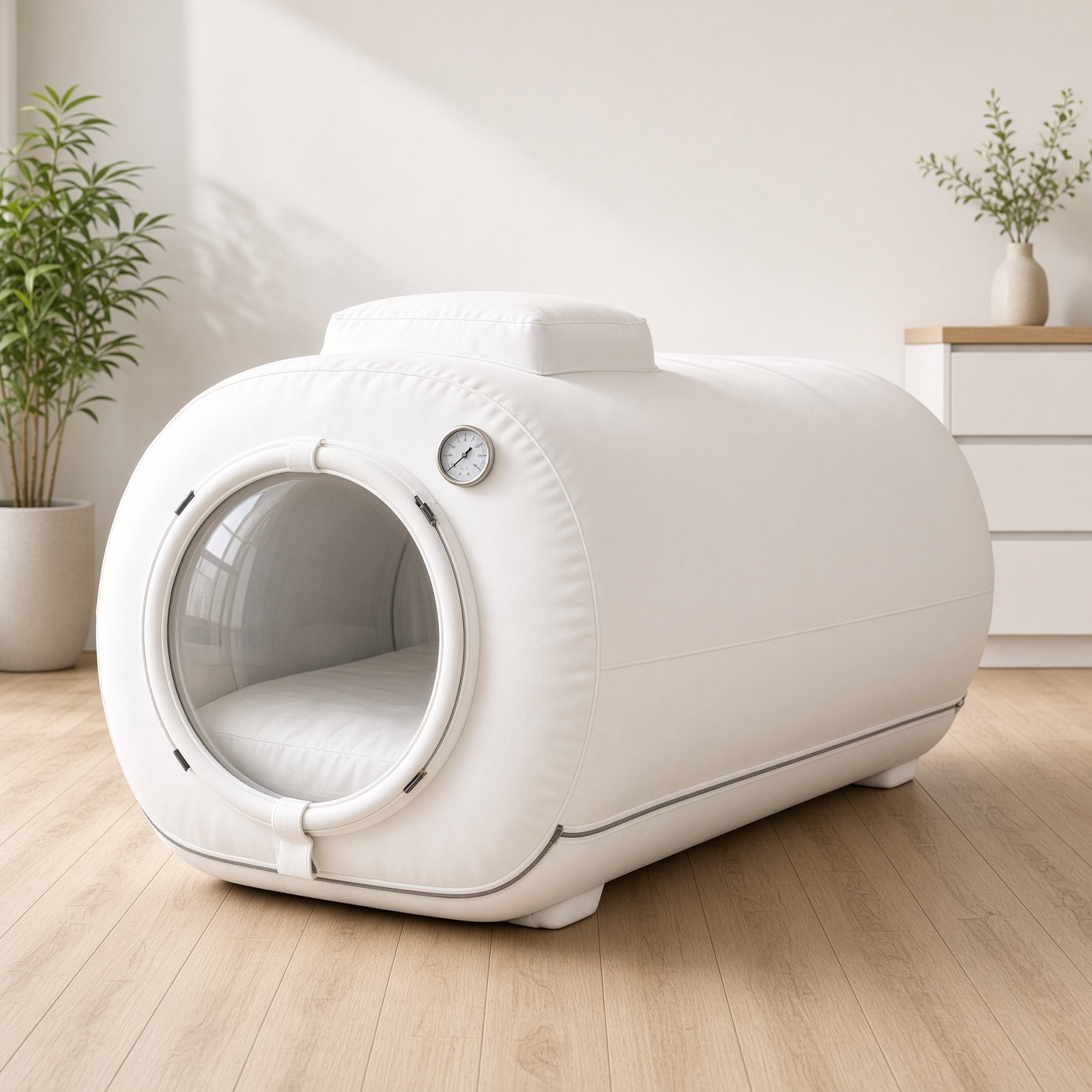
Pressurized chambers are expanding rapidly into residential homes and commercial wellness lounges, yet consumer packages at 1.3 atmospheres absolute do not replicate the pressure, oxygen concentration, or intermittent cycling of the 2.0 ATA medical guides tested in human aging trials.
Hyperbaric oxygen therapy (HBOT) is an established hospital intervention for decompression sickness, carbon monoxide poisoning, radiation tissue injury, and non-healing diabetic wounds. Over the past decade, commercial interest has shifted toward elective use by healthy adults seeking cognitive preservation, microvascular repair, and reversal of biological aging markers. Evaluating these claims requires separating two distinct physical interventions that share a name: hard-shell medical hyperbaric chambers operating at 2.0 to 2.4 atmospheres absolute (ATA) with 100% medical-grade oxygen, and soft-shell mild hyperbaric chambers operating at 1.3 to 1.5 ATA using compressed ambient air or concentrator-supplied oxygen. While specific multi-month medical guides have produced measurable shifts in peripheral blood cell markers and cerebral perfusion in small cohorts of older adults, no randomized controlled trial has demonstrated that either modality extends human lifespan or prevents age-related disease.
Key facts
- Medical HBOT delivers 100% oxygen at 2.0 to 3.0 ATA in rigid chambers, increasing arterial oxygen partial pressure (PaO2) more than tenfold above sea-level starting points.
- Mild hyperbaric chambers (mHBOT) typically pressurize to 1.3 ATA using an oxygen concentrator via mask or nasal cannula, generating far lower tissue oxygen gradients and lacking human trial validation for longevity outcomes.
- The hyperoxic-hypoxic paradox relies on rapid drops in dissolved oxygen during air breaks at 2.0 ATA to trigger Hypoxia-Inducible Factor 1-alpha (HIF-1alpha) and Vascular Endothelial Growth Factor (VEGF) in human tissues.
- A commonly cited prospective human trial of 60 sessions at 2.0 ATA reported ~20% longer peripheral blood leukocyte telomeres, a finding largely explained by acute splenic release and shifts in circulating immune cell subsets rather than systemic organ rejuvenation.
- Middle ear barotrauma affects roughly 2% to 10% of users, reversible hyperoxic myopia occurs in 20% to 50% of 40- to 60-session courses, and enriched oxygen inside pressurized vessels creates a severe fire hazard.
Who this is for
High-agency adults aged 40 to 65 considering elective clinic HBOT courses or residential chamber purchases, particularly those comparing the time, cost, and safety trade-offs of hyperbaric guides against targeted microvascular, cognitive, or post-injury recovery goals.
In this article
- What it is
- Why it is used
- How it helps
- Who should try it
- Measurements that show improvement
- Products and services
What it is
Henry's Law governs hyperbaric oxygen therapy: the volume of gas dissolved directly into a liquid is proportional to the partial pressure of that gas above the liquid. HBOT applies this physical law by having a patient inhale concentrated oxygen inside a sealed chamber pressurized above sea-level atmospheric pressure (1.0 ATA). At 1.0 ATA breathing room air (21% oxygen), arterial oxygen tension (PaO2) is roughly 95 to 100 mmHg. Hemoglobin in red blood cells is already 97% to 98% saturated, and the amount of oxygen dissolved directly in blood plasma is approximately 0.3 milliliters of oxygen per deciliter of blood (mL/dL). Because hemoglobin is nearly saturated at sea level, breathing 100% oxygen at normal atmospheric pressure adds very little total oxygen capacity. Inside a rigid hyperbaric chamber pressurized to 2.0 ATA with 100% oxygen, alveolar and arterial oxygen partial pressures exceed 1,400 mmHg. Plasma-dissolved oxygen rises more than tenfold to roughly 4.4 mL/dL, and at 3.0 ATA it approaches 6.0 mL/dL. That dissolved fraction is sufficient to meet resting cellular metabolic demand without any contribution from hemoglobin-bound oxygen, allowing oxygen to diffuse through plasma across narrowed capillaries and edematous tissue barriers. Clinical practice and consumer markets divide chambers into two categories that are not physiologically interchangeable: 1. Medical HBOT (Hard-Shell Chambers): Constructed of steel or thick acrylic, these multiplace or monoplace units pressurize to 2.0–3.0 ATA and deliver 100% medical-grade oxygen via sealed hoods, masks, or ambient chamber flooding. These devices are used for approved hospital indications and virtually all peer-reviewed human aging and neurocognitive trials. 2. Mild Hyperbaric Therapy (mHBOT / Soft-Shell Chambers): Sold for home use or installed in wellness lounges, these zippered polyurethane or canvas bags inflate with ambient room air to 1.3–1.5 ATA. Users typically wear a nasal cannula connected to an external oxygen concentrator delivering 24% to 90% oxygen at low flow rates. Because both total pressure and inspired oxygen fraction are lower, arterial oxygen tension in a 1.3 ATA soft chamber (~300–400 mmHg) is a fraction of that achieved in a 2.0 ATA medical unit (>1,400 mmHg). A session at 1.3 ATA does not reach the cellular signaling thresholds established in clinical trials at 2.0 ATA.
Why it is used
Fourteen hospital-grade indications for HBOT are defined by the Undersea and Hyperbaric Medical Society (UHMS) based on clinical outcome evidence. These include acute emergencies—decompression sickness, arterial gas embolism, carbon monoxide poisoning, and crush injuries—as well as chronic hypoxic tissue conditions such as late radiation tissue injury (radiation cystitis or proctitis following pelvic cancer treatment), compromised skin grafts, and non-healing diabetic foot ulcers. In chronic wounds, severe local hypoxia stalls fibroblast proliferation, collagen synthesis, and bacterial clearance by neutrophils; high-pressure oxygen restores the tissue oxygen tension (>30–40 mmHg) required for angiogenesis and wound closure. Outside of hospital medicine, healthy adults and longevity clinics use off-label HBOT across three elective tracks: 1. Cognitive and Microvascular Preservation: Older adults pursue structured 40- to 60-session guides to target age-related declines in cerebral blood flow, attention, and processing speed, or to address persistent symptoms following mild traumatic brain injury (post-concussion syndrome). 2. Musculoskeletal and Surgical Recovery: Athletes and surgical patients use short courses (5 to 15 sessions) to accelerate the resolution of soft-tissue edema, ligament sprains, or postoperative bruising. 3. Systemic Longevity and Senescence Modulation: Following human trials showing shifts in blood-borne aging biomarkers, asymptomatic middle-aged and older adults use HBOT to stimulate stem cell mobilization, angiogenesis, and clearance of senescent cells. While animal models and small human cohorts show acute biomarker shifts, no randomized controlled trial has established that routine HBOT delays chronic disease onset or extends lifespan in healthy adults.
How it helps
Intermittent fluctuations in dissolved tissue oxygen—rather than continuous oxygen saturation—drive the regenerative signaling of multi-week HBOT, a mechanism demonstrated in human trials and termed the hyperoxic-hypoxic paradox. In a standard medical longevity guide (2.0 ATA for 90 minutes, 5 days per week for 60 sessions), the patient breathes 100% oxygen in 20-minute intervals separated by 5-minute air breaks breathing ambient chamber air (21% oxygen). During the 100% oxygen phase, tissue dissolved oxygen spikes sharply. This surge increases mitochondrial reactive oxygen species (ROS) production, which activates the transcription factor Nrf2 (Nuclear factor erythroid 2-related factor 2). Shown in both preclinical models and human peripheral blood studies, Nrf2 translocates to the nucleus and upregulates endogenous antioxidant enzymes, including superoxide dismutase (SOD), catalase, and glutathione peroxidase, alongside anti-inflammatory heme oxygenase-1 (HO-1). When the patient switches to 21% oxygen during the 5-minute air break, or decompresses at the end of the session, dissolved oxygen drops rapidly toward starting point. Cells sense the steep downward gradient from extreme hyperoxia to normoxia as acute relative hypoxia. Under normoxic conditions, prolyl hydroxylase domain (PHD) enzymes continuously hydroxylate and degrade Hypoxia-Inducible Factor 1-alpha (HIF-1alpha). However, transient ROS bursts oxidize the iron cofactor required by PHD enzymes, and the rapid drop in oxygen tension further inhibits PHD activity. Stabilized HIF-1alpha dimerizes with HIF-1beta and binds hypoxia response elements on DNA, driving transcription of three major pathways in human tissues:
- Vascular Endothelial Growth Factor (VEGF) and Angiopoietin-2, which stimulate endothelial sprouting and capillary angiogenesis in ischemic or aging microvascular beds.
- Erythropoietin (EPO) and Stromal Cell-Derived Factor-1 (SDF-1), which signal the bone marrow via endothelial nitric oxide synthase (eNOS) pathways to mobilize CD34+ endothelial progenitor and stem cells into peripheral circulation. Human clinical studies demonstrate a several-fold increase in circulating CD34+ cells after 20 to 40 sessions at 2.0 ATA.
- Sirtuin-1 (SIRT1), an NAD+-dependent deacetylase that promotes mitochondrial biogenesis via PGC-1alpha activation. Evidence Quality and Biomarker Interpretation: The most cited human longevity study is a 2020 prospective clinical trial (n = 35 healthy adults aged 64 and older, 60 sessions at 2.0 ATA over 90 days, no sham control group; subgroup analyses of 26 to 30 participants). That trial reported a >20% increase in peripheral blood mononuclear cell (PBMC) telomere length and a 10% to 37% reduction in circulating senescent T-helper and cytotoxic T-cells (CD3+/CD4+/CD28-null and CD8+/CD28-null). Interpreting a 20% jump in peripheral blood telomere length over 90 days requires accounting for leukocyte kinetics. Telomere length measured by Flow-FISH or qPCR in venous blood reflects the average composition of circulating white blood cells at the moment of the draw. Hyperbaric oxygen and intermittent air breaks trigger sympathetic and nitric-oxide-mediated mobilization of naive lymphocytes and bone marrow progenitor cells, alongside splenic contraction and clearance of senescent CD28-null T-cells. Because newly mobilized naive B- and T-cells possess longer telomeres than terminally differentiated memory T-cells, shifting the ratio of naive-to-exhausted immune cells in the bloodstream produces an immediate mathematical increase in average blood telomere length. It does not demonstrate that telomerase elongated chromosomal DNA in post-mitotic cardiomyocytes, cortical neurons, or hepatocytes. Whether these peripheral immune shifts persist 6 to 12 months after stopping therapy has no clear human data. In a randomized controlled trial by the same research group (n = 63 healthy older adults undergoing 60 sessions at 2.0 ATA vs. no-treatment control over 3 months), dynamic susceptibility contrast MRI demonstrated statistically significant increases in regional cerebral blood flow and cerebral blood volume, paired with improvements in cognitive domain scores for attention and information processing speed. A double-blind, sham-controlled RCT in middle-aged master athletes (n = 37, 40 sessions at 2.0 ATA vs. 1.02 ATA sham over 8 weeks) reported a 2.83 mL/kg/min increase in VO2max alongside increased skeletal muscle mitochondrial mass and capillary-to-fiber ratio on vastus lateralis biopsy. For mild hyperbaric chambers (1.3 ATA), no RCT evidence exists in healthy adults showing angiogenesis, stem cell mobilization, VO2max gains, or cognitive improvements above sham pressurization.
Who should try it
Completing a 60-session medical regenerative guide requires 90 to 120 minutes per daily session—over 100 hours of chamber time plus transit over 12 weeks—and costs $15,000 to $40,000 out of pocket in private medical clinics. This carries a substantial financial and time opportunity cost compared to structured aerobic training, sleep apnea treatment, and lipid or glycemic pharmacotherapy. Candidates for whom a medically supervised 2.0 ATA trial is rational:
- Patients with established UHMS indications, particularly delayed radiation injury (soft tissue or bone necrosis, radiation cystitis, or radiation proctitis) or refractory diabetic and ischemic wounds, where clinical efficacy is established in meta-analyses and RCTs.
- Adults aged 50+ with documented microvascular cerebral ischemia (such as white matter hyperintensities on brain MRI) or persistent post-concussion cognitive deficits who have already brought blood pressure, ApoB, HbA1c, and cardiorespiratory fitness to clinical targets.
- Individuals recovering from complex reconstructive surgery or severe acute soft-tissue trauma where reducing tissue edema and preventing flap hypoxia over 5 to 15 sessions has a clear anatomical target. Contraindications and Medication Interactions:
- Absolute Contraindication: Untreated pneumothorax. Pressurizing and decompressing a patient with trapped pleural air causes fatal tension pneumothorax or arterial gas embolism as trapped gas expands during ascent according to Boyle's Law.
- Relative Contraindications: Bullous emphysema, chronic obstructive pulmonary disease (COPD) with CO2 retention or air trapping, active asthma bronchospasm, claustrophobia, Eustachian tube dysfunction, active upper respiratory or sinus infections, uncontrolled high fever (which lowers the central nervous system oxygen seizure threshold), and prior thoracic surgery or spontaneous pneumothorax.
- Ophthalmologic History: Existing nuclear sclerotic cataracts. Prolonged HBOT (>40 sessions) exposes the crystalline lens to oxidative stress that accelerates cataract maturation; pseudophakic patients (those with artificial intraocular lenses from prior cataract surgery) are immune to cataract progression, though transient corneal or refractive shifts can still occur.
- Medication Interactions: Concurrent administration of doxorubicin (heightened cardiotoxicity risk), bleomycin (risk of fatal pulmonary fibrosis when exposed to hyperoxia), cisplatin (impaired wound healing), or disulfiram (inhibits superoxide dismutase, increasing central nervous system and pulmonary oxygen toxicity risk). Side Effects and Physical Risks:
- Middle Ear and Sinus Barotrauma: Occurs in 2% to 10% of patients. Failure to equalize pressure across the tympanic membrane during compression causes pain, mucosal edema, hemotympanum, or membrane rupture.
- Hyperoxic Myopia: Affects 20% to 50% of adults completing 40 to 60 daily sessions at 2.0 ATA. Oxidative cross-linking of crystalline lens proteins alters refractive power, causing a temporary shift toward nearsightedness that typically resolves within 4 to 12 weeks after treatment stops.
- Central Nervous System Oxygen Toxicity (Paul Bert Effect): At pressures of 2.0 ATA and above, high oxygen tension can trigger generalized tonic-clonic seizures in roughly 1 in 3,000 to 1 in 10,000 treatments. Incorporating 5-minute air breaks every 20 minutes substantially lowers seizure incidence.
- Pulmonary Oxygen Toxicity (Lorrain Smith Effect): Prolonged high-pressure oxygen exposure causes tracheobronchial irritation, substernal chest tightness, cough, and measurable declines in forced vital capacity (FVC).
- Fire Hazard: Pressurized oxygen-enriched environments lower the ignition temperature of materials and accelerate flame propagation. Accredited medical facilities mandate 100% cotton garments, ban all personal electronics (lithium-ion batteries, phones, smartwatches), and prohibit petroleum-based skin products or hair oils. Operating consumer chambers with uncertified oxygen concentrators and personal electronics inside creates a severe, potentially fatal fire hazard.
Measurements that show improvement
Cardiopulmonary exercise testing (CPET), perfusion neuroimaging, and serial refractometry provide objective verification of tissue-level adaptation and safety during an HBOT course, avoiding the placebo confounding of subjective energy scores. 1. Cardiorespiratory and Mitochondrial Function:
- VO2max and Ventilatory Threshold (VT1/VT2): Measured via CPET on a cycle ergometer or treadmill prior to session 1 and 2 to 4 weeks after the final session. A clinically meaningful improvement in middle-aged adults is an increase in VO2max of at least 2.5 to 3.0 mL/kg/min (exceeding typical 3%–5% day-to-day biological variability) accompanied by a higher oxygen pulse (VO2 divided by heart rate). 2. Cerebral Perfusion and Neurocognitive Performance:
- Computerized Cognitive Batteries: Pre- and post-guide testing of information processing speed (millisecond reaction times), executive function, and delayed verbal recall.
- Perfusion MRI (Dynamic Susceptibility Contrast MRI or Arterial Spin Labeling): Quantifies regional cerebral blood flow (in mL/100g/min) and cerebral blood volume across cortical and subcortical regions. 3. Systemic Inflammation and Autonomic Balance:
- High-sensitivity C-reactive protein (hs-CRP): Measured in mg/L at starting point and 4 weeks post-course to verify that repeated hyperoxic stress is not driving net systemic inflammation; values should decline or remain below 1.0 mg/L.
- Nocturnal Heart Rate Variability (HRV via RMSSD) and Resting Heart Rate (RHR): Tracked nightly. During a 5-day-per-week course, a sustained RHR increase of >5 bpm or a >15% drop in weekly average RMSSD signals cumulative autonomic strain or subclinical pulmonary oxidative stress, whereas post-guide recovery should show stable or increased RMSSD. 4. Safety and Ophthalmologic Monitoring:
- Visual Acuity and Refraction (Snellen chart and autorefraction): Assessed at starting point, session 30, session 60, and 8 weeks post-guide to quantify any myopic shift (measured in diopters) and confirm return to starting point.
- Pulmonary Function Testing (Spirometry: FVC, FEV1, and DLCO): Measured at starting point and after 40 to 60 sessions to detect subclinical decrements in diffusing capacity for carbon monoxide (DLCO) or vital capacity. Note on Telomere and Epigenetic Clocks: Within a physician-led tracking framework such as a LetsGo BioAge assessment, commercial qPCR blood telomere assays exhibit a 5% to 10% technical coefficient of variation and are heavily confounded by acute leukocyte mobilization. If biological age clocks or immune subsets are measured, draw venous blood at least 4 weeks after the final HBOT session to measure steady-state starting point remodeling rather than acute post-session lymphocyte demargination.
Products and services
These LetsGo products and services sit next to this subject. They are not a prescription. A link is not evidence that the product causes the change discussed above. - Hyperbaric wellness pod — A chamber for clinics. A session is not a supplement and not a proven healthspan protocol. - LetsGo programmes — Coached programmes. Not a clinic menu and not a promise of a result.
Frequently asked questions
Is a 1.3 ATA soft-shell home chamber equivalent to doing more sessions than a 2.0 ATA medical chamber?
No. Cellular signaling pathways such as HIF-1alpha stabilization and CD34+ stem cell mobilization depend on reaching a specific arterial oxygen partial pressure threshold and experiencing a steep downward oxygen gradient during air breaks. Spending more hours at 1.3 ATA with an oxygen concentrator does not generate the same plasma oxygen tension (~300–400 mmHg vs. >1,400 mmHg at 2.0 ATA with 100% O2) and has not been shown in human trials to replicate the vascular or cellular effects of medical HBOT.
Why does eyesight get blurry during a 60-session hyperbaric guide?
Repeated daily exposure to high oxygen pressures induces temporary oxidative modifications in the proteins of the eye's natural crystalline lens, changing its refractive index and causing a shift toward nearsightedness (hyperoxic myopia). Distance vision blurs while near vision may temporarily improve. In patients without pre-existing cataracts, this shift reverses spontaneously within 4 to 12 weeks after finishing treatment. Users should wait at least 8 to 12 weeks post-therapy before updating prescription eyeglasses.
Can I bring my phone or tablet inside a hyperbaric chamber to work during the 90-minute session?
In a monoplace medical hyperbaric chamber pressurized with 100% oxygen, all battery-powered electronics, phones, tablets, and smartwatches are strictly prohibited due to the catastrophic risk of lithium-ion thermal runaway or static sparks in a pressurized oxygen environment. Properly engineered multiplace chambers allow users to breathe 100% oxygen through a sealed hood while ambient chamber air remains at 21% oxygen, or provide external screens viewed through acrylic viewports.
How long do the cognitive or microvascular effects of a 60-session HBOT guide last?
Long-term durability data in healthy older adults are limited; most human RCTs assess cognitive scores, cerebral perfusion MRI, and VO2max within 1 to 4 weeks after the 60th session. Because newly formed capillaries (angiogenesis) are maintained by ongoing metabolic demand and shear stress, vascular gains are more likely to persist if supported by regular aerobic exercise, whereas acute shifts in circulating immune cells and progenitor mobilization return toward starting point within weeks of stopping therapy.
Practical takeaways
- Verify hardware specifications before paying: require a rigid medical chamber operating at 2.0 ATA or higher delivering 100% medical-grade oxygen with 5-minute air breaks (21% O2) every 20 minutes, rather than a 1.3 ATA soft-shell chamber.
- Complete starting point clearance prior to session 1: undergo otoscopic tympanic membrane inspection, starting point Snellen visual acuity testing to rule out nuclear cataracts, and chest imaging if any history of pulmonary disease or thoracic surgery exists.
- Establish a hard stop rule for vision and pulmonary symptoms: pause treatment if visual acuity shifts by more than 0.5 diopters accompanied by lenticular opacity, or if substernal chest tightness, dry cough, or a >10% drop in forced vital capacity (FVC) develops.
- Enforce strict fire safety on every dive: wear 100% cotton garments and remove all lithium-ion electronics, smartwatches, chemical warmers, and petroleum-based skin or hair products before entering the chamber.
- Quantify physiological response 2 to 4 weeks after session 60: require an increase of >=2.5 mL/kg/min in CPET-measured VO2max or measurable perfusion gains on arterial spin labeling MRI before repeating any elective maintenance course.
Sources and evidence notes
- Hachmo Y et al., Aging (2020). Prospective clinical trial (n=35 adults aged 64+) examining the effect of 60 daily 2.0 ATA HBOT sessions on peripheral blood leukocyte telomere length and senescent T-cell populations.
- Amir H et al., Aging (2020). Randomized controlled trial (n=63 healthy older adults) evaluating cerebral blood flow via perfusion MRI and cognitive domain scores following a 3-month 2.0 ATA HBOT guide.
- Hadanny A & Efrati S, Biomolecules (2020). Mechanistic review detailing the hyperoxic-hypoxic paradox, intermittent hyperoxia, and downstream activation of HIF-1alpha, VEGF, Nrf2, and SIRT1.
- Hadanny A et al., Sports Medicine - Open (2022). Double-blind randomized controlled trial in middle-aged master athletes (n=37) measuring VO2max, anaerobic threshold, and skeletal muscle mitochondrial mass and capillary density on biopsy after 40 sessions of 2.0 ATA HBOT.
- Undersea and Hyperbaric Medical Society (UHMS) Indications Manual. Clinical practice standards defining approved medical indications, pressure thresholds (typically >= 2.0 ATA), chamber fire safety codes (NFPA 99), and adverse event incidence rates.
Safety note
Hyperbaric oxygen therapy is a pressurized medical intervention with strict contraindications. Untreated pneumothorax is an absolute contraindication that can result in fatal air embolism or tension pneumothorax upon decompression. Patients with COPD, pulmonary blebs, active sinus or ear infections, recent ear surgery, uncontrolled fever, seizure disorders, or pre-existing cataracts require specialist clearance. Never bring battery-powered electronics, spark sources, or petroleum products into a hyperbaric chamber.
Disclaimer
This article is for educational and informational purposes only and does not constitute medical advice, diagnosis, or treatment. Hyperbaric oxygen therapy for healthy aging or cognitive enhancement is an off-label use. Always consult a qualified physician certified in hyperbaric medicine before beginning any pressurized therapy.
Hyperbaric oxygen therapy at medical pressures (2.0 ATA with intermittent 100% oxygen) acts as a potent physiological stressor that mobilizes bone marrow CD34+ progenitor cells, stimulates microvascular angiogenesis, and alters peripheral blood immune subsets in older adults. However, those findings do not validate the commercial market of 1.3 ATA soft-shell chambers, nor do they demonstrate that HBOT extends human lifespan. For adults aged 40 to 65 who have already brought aerobic fitness (VO2max), sleep quality, and cardiometabolic risk markers (ApoB, HbA1c, blood pressure) to target, medical HBOT is a targeted, time-intensive intervention for specific microvascular or post-injury indications rather than a primary longevity requirement.
More on Hyperbaric Therapy
Hyperbaric Therapy
Clinical 2.0 ATA Hyperbaric Oxygen Therapy vs. 1.3 ATA Mild Chambers: Evidence, Mechanisms, and Biomarkers
Medical hyperbaric oxygen therapy at 2.0 ATA with intermittent 100% oxygen air breaks alters peripheral blood mononuclear cell telomere length and cerebral perfusion in small human trials, whereas mild 1.3 ATA soft…
Hyperbaric Therapy
Home and clinic HBOT is spreading faster than outcome evidence in healthy adults: who should wait
Clinical hyperbaric oxygen therapy at 2.0 atmospheres absolute (ATA) with intermittent air breaks alters leukocyte telomere length and cerebral perfusion in small human trials, whereas mild soft-shell chambers at 1.3…
Hyperbaric Therapy
Does hyperbaric oxygen therapy improve cellular aging or recovery in healthy adults?
Medical-grade hyperbaric oxygen therapy (2.0 ATA with 100% oxygen and intermittent air breaks) drives hypoxia-inducible factor-1 alpha (HIF-1α) and vascular endothelial growth factor (VEGF) expression in human tissue,…