Does hyperbaric oxygen therapy improve cellular aging or recovery in healthy adults?
Medical-grade hyperbaric oxygen therapy (2.0 ATA with 100% oxygen and intermittent air breaks) drives hypoxia-inducible factor-1 alpha (HIF-1α) and vascular endothelial growth factor (VEGF) expression in human tissue, whereas soft-shell mild chambers at 1.3 ATA lack randomized human outcome data for aging or systemic recovery.
Separating medical-grade guides at 2.0 ATA from mild soft-shell chambers at 1.3 ATA, with human trial evidence, biological pathways, and safety boundaries.
LetsGo Care Editorial
Does hyperbaric oxygen therapy improve cellular aging or recovery in healthy adults?
A soft-shell chamber pressurized to 1.3 atmospheres absolute (ATA) with concentrator air and a rigid hospital chamber at 2.0 ATA delivering 100% medical oxygen are both sold under the name hyperbaric therapy, yet they produce entirely different partial pressures of arterial oxygen and do not share an evidence base.
Hyperbaric oxygen therapy (HBOT) has expanded from hospital wound and dive-medicine units into residential wellness rooms and commercial recovery centers. The central problem for an adult evaluating HBOT for cognitive preservation, microvascular repair, or athletic recovery is guide conflation. Clinical trials demonstrating angiogenesis, stem cell mobilization, or cellular senescence shifts in humans almost exclusively use rigid chambers pressurized to 2.0 to 2.4 ATA with 100% medical oxygen and structured intermittent air breaks. By contrast, most retail and hospitality installations use soft-shell mild hyperbaric chambers (mHBOT) capped at 1.3 to 1.5 ATA delivering 24% to 93% oxygen via an external concentrator. Understanding Henry's Law, the hyperoxic-hypoxic paradox, and the specific limits of human biomarker trials clarifies what HBOT can and cannot achieve in healthy adults.
Key facts
- Under Henry's Law, breathing 100% oxygen at 2.0 ATA increases dissolved plasma oxygen roughly tenfold to fifteenfold (raising arterial oxygen tension, PaO2, from ~100 mmHg at sea level to over 1,400 mmHg), bypassing red blood cell hemoglobin saturation limits.
- The primary regenerative signaling mechanism in human aging guides is the hyperoxic-hypoxic paradox: cycling between extreme hyperoxia (100% O2 at 2.0 ATA) and normoxic air breaks (21% O2 for 5 minutes every 20 minutes) stimulates cellular oxygen sensors to upregulate hypoxia-inducible factor-1 alpha (HIF-1α), vascular endothelial growth factor (VEGF), and sirtuin-1 (SIRT1).
- A widely cited prospective human trial (35 adults aged 64 and older completing 60 sessions of 90 minutes at 2.0 ATA over 90 days) reported ~20% peripheral blood mononuclear cell (PBMC) telomere elongation and a 10% to 37% reduction in senescent T-cells; however, PBMC telomere length shifts reflect transient leukocyte subset mobilization and clearance rather than permanent solid-organ rejuvenation.
- Soft-shell mild chambers operating at 1.3 ATA with concentrator oxygen raise PaO2 to roughly 200 to 400 mmHg and do not generate the steep oxygen tension drop required to trigger the hyperoxic-hypoxic transcriptional cascade shown in 2.0 ATA human trials.
- Middle ear barotrauma occurs in roughly 2% to 17% of patients depending on compression rate and equalization technique, and reversible hyperoxic myopia (a myopic shift of -0.5 to -3.0 diopters) occurs in 20% to 50% of adults completing 40 to 60 consecutive daily sessions.
Who this is for
Adults aged 40 to 65 evaluating medical-grade HBOT for microvascular cognitive decline, persistent post-concussion symptoms, radiation tissue injury, or refractory soft-tissue recovery, who want to distinguish validated 2.0 ATA clinical guides from unvalidated 1.3 ATA commercial sessions.
In this article
- What it is
- Why it is used
- How it helps
- Who should try it
- Measurements that show improvement
- Products and services
What it is
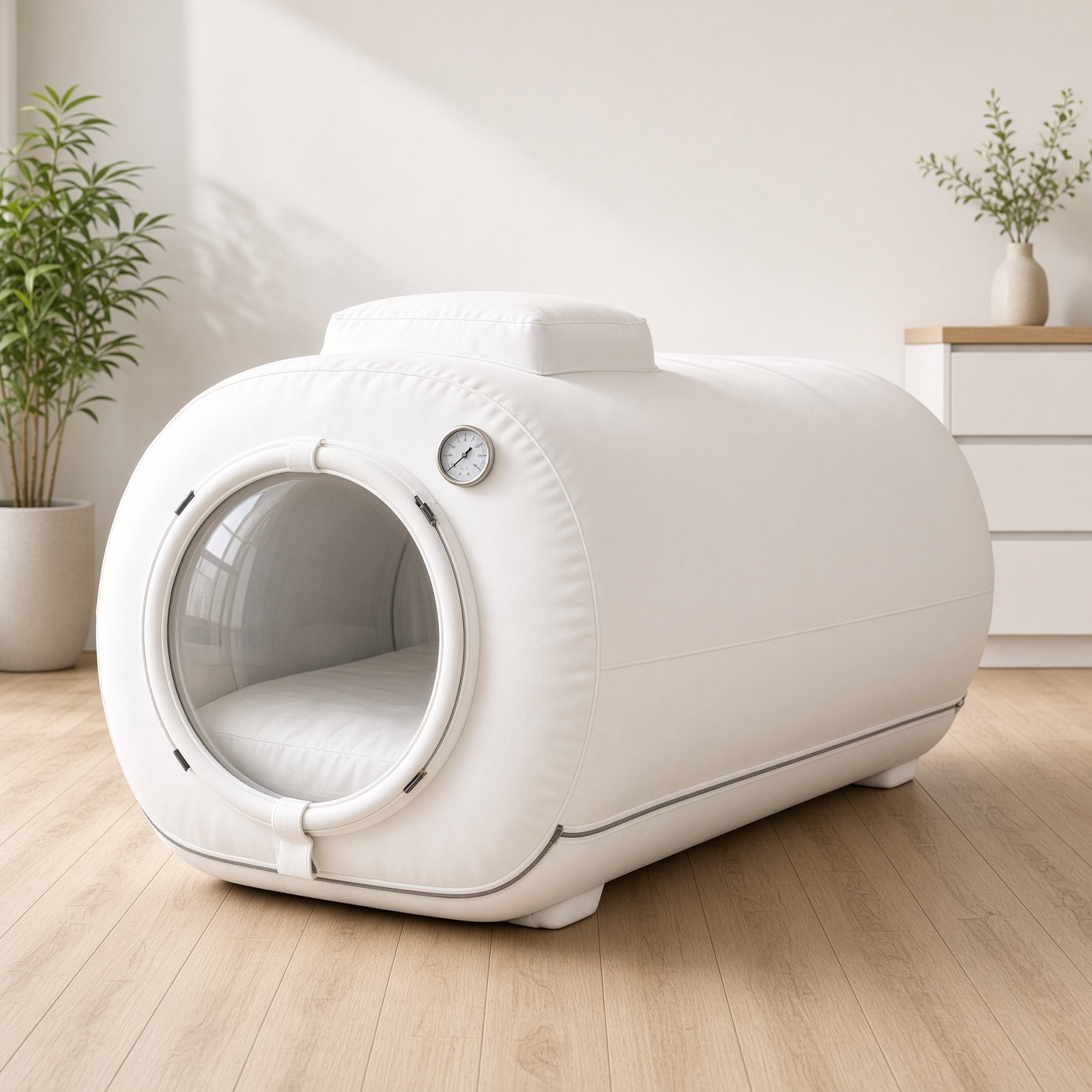
At sea-level atmospheric pressure (1.0 atmosphere absolute, or ATA) breathing room air (21% oxygen), arterial hemoglobin is already 97% to 99% saturated, leaving only about 0.3 mL of oxygen dissolved directly per deciliter of plasma. Because hemoglobin cannot carry significantly more oxygen once saturated, breathing supplemental oxygen at 1.0 ATA produces only a modest rise in tissue oxygen delivery. Hyperbaric oxygen therapy (HBOT) overcomes this ceiling by placing a person inside an enclosed chamber pressurized above 1.0 ATA while breathing pure or enriched oxygen. Pressurization alters gas transport via Henry's Law, which states that the concentration of a gas dissolved in a liquid is directly proportional to the partial pressure of that gas above the liquid. In a rigid medical chamber pressurized to 2.0 ATA while breathing 100% medical oxygen, alveolar and arterial oxygen tension (PaO2) rises from roughly 100 mmHg to between 1,400 and 1,500 mmHg. Dissolved plasma oxygen increases from ~0.3 mL/dL to roughly 4.4 mL/dL, and at 3.0 ATA it reaches ~6.0 mL/dL—enough dissolved oxygen in the cell-free plasma fraction alone to meet resting tissue metabolic demands without any contribution from hemoglobin-bound oxygen. This steep pressure gradient drives oxygen across capillary walls into ischemic, edematous, or poorly perfused microvascular beds where red blood cells cannot physically pass. In clinical and commercial practice, two distinct hardware and guide tiers exist: 1. Medical-grade HBOT (hard-shell monoplace or multiplace chambers): Constructed of steel and acrylic, these chambers operate at 1.5 to 3.0 ATA using 100% liquid or cylinder medical oxygen. Neurological and aging guides typically run at 2.0 ATA for 90 minutes per session, 5 days per week, for 40 to 60 total sessions, incorporating 5-minute normoxic air breaks (21% oxygen via mask or hood) every 20 minutes. 2. Mild hyperbaric therapy (mHBOT, soft-shell zippered chambers): Constructed of thermoplastic polyurethane or canvas, these chambers are mechanically limited to 1.3 ATA (equivalent to roughly 3 meters or 10 feet of seawater depth), with some rigid home units reaching 1.5 ATA. They compress ambient room air and supply enriched air (24% to 93% oxygen) through a nasal cannula or non-sealed face mask connected to an external oxygen concentrator. A soft-shell session at 1.3 ATA with a standard concentrator raises PaO2 to roughly 200 to 400 mmHg—a physiological profile distinct from 2.0 ATA medical guides.
Why it is used
Undersea and hyperbaric medical societies recognize 14 established acute and chronic indications for medical HBOT at 2.0 to 3.0 ATA. These include decompression sickness, arterial gas embolism, carbon monoxide poisoning, delayed radiation-induced tissue injury (such as radiation cystitis, proctitis, or osteoradionecrosis), compromised skin grafts and flaps, crush injuries, refractory osteomyelitis, idiopathic sudden sensorineural hearing loss, and non-healing diabetic lower-extremity ulcers. In these pathologies, extreme hyperoxia resolves acute tissue hypoxia, reduces vasogenic edema via hyperoxic vasoconstriction without net oxygen deprivation, and provides the molecular oxygen required for fibroblast prolyl hydroxylase activity and collagen cross-linking. Outside of hospital wound and dive medicine, HBOT is used across two distinct outpatient tracks: First, physician-supervised neurological and aging guides use 40- to 60-session courses at 2.0 ATA to target age-related cerebral small-vessel disease, post-stroke neurological deficits, persistent post-concussion symptoms, and cellular senescence markers. The biological rationale is that age-related microvascular rarefaction (loss of capillary density in the cerebral cortex and myocardium) creates chronic subclinical hypoxia that impairs mitochondrial ATP production and neurovascular coupling. Second, commercial wellness centers, athletic facilities, and hospitality suites offer single or sporadic sessions in 1.3 to 1.5 ATA chambers for delayed-onset muscle soreness (DOMS), jet lag, general fatigue, and routine athletic recovery. The primary error in current commercial use is guide conflation: consumers purchase 1.3 ATA mild chambers or book single hospitality sessions expecting the angiogenic, stem-cell, and neurocognitive outcomes published from 60-session, 2.0 ATA hospital trials.
How it helps
In human clinical trials using 2.0 ATA intermittent oxygen guides, HBOT acts as a transcriptional signal transducer through a mechanism known as the hyperoxic-hypoxic paradox. Under normoxic physiology, cellular adaptation to low oxygen is governed by the transcription factor hypoxia-inducible factor-1 alpha (HIF-1α). In normal oxygen tension, prolyl hydroxylase domain (PHD) enzymes continuously hydroxylate HIF-1α, tagging it for ubiquitination by the von Hippel-Lindau (VHL) E3 ligase complex and subsequent proteasomal degradation. During true tissue hypoxia, PHD enzymes are inhibited due to lack of oxygen substrate, allowing HIF-1α to stabilize, translocate to the nucleus, dimerize with HIF-1β, and transcribe genes governing angiogenesis, erythropoiesis, and glycolysis. During a medical HBOT session at 2.0 ATA, tissue oxygen tension rises more than tenfold, which increases mitochondrial reactive oxygen species (ROS) production and induces a compensatory upregulation of endogenous antioxidant scavengers—specifically superoxide dismutase (SOD), catalase, and glutathione peroxidase—via the nuclear factor erythroid 2-related factor 2 (Nrf2) pathway. When the patient removes the oxygen mask for a 5-minute air break (dropping inspired oxygen from 100% back to 21% at 2.0 ATA) or exits the chamber, dissolved tissue oxygen falls rapidly. Because the newly elevated antioxidant buffer scavenges available ROS at a high rate during the normoxic drop, cellular oxygen sensors perceive the steep relative decline in free oxygen species as an acute hypoxic event, even though absolute tissue oxygen remains at or above sea-level normoxia. This intermittent delta-O2 signal stabilizes HIF-1α in human leukocytes and endothelial tissues without exposing organs to damaging ischemia. Downstream pathways demonstrated in humans under 2.0 ATA intermittent guides include:
- Angiogenesis and microvascular remodeling: Stabilization of HIF-1α upregulates vascular endothelial growth factor (VEGF) and matrix metalloproteinases, stimulating endothelial progenitor cell proliferation and new capillary budding in ischemic and aging tissue (demonstrated in human skin biopsies, renal tissue, and cerebral perfusion MRI).
- Bone marrow stem cell mobilization: Hyperoxia activates endothelial nitric oxide synthase (eNOS) within the bone marrow stroma. The resulting nitric oxide burst activates matrix metalloproteinase-9 (MMP-9), cleaving membrane-bound Kit ligand and releasing CD34+ hematopoietic and endothelial progenitor cells into peripheral blood. A foundational human clinical study (Thom et al., 2006; n=26 patients undergoing 2.0 ATA HBOT) demonstrated that a single 2-hour exposure doubled circulating CD34+ cells, and a 20-session course increased circulating CD34+ progenitor cells roughly eightfold.
- Mitochondrial biogenesis and sirtuin activation: Fluctuations in NAD+/NADH ratios and ROS during hyperoxic-normoxic cycling activate AMP-activated protein kinase (AMPK) and sirtuin-1 (SIRT1), which deacetylates and activates peroxisome proliferator-activated receptor-gamma coactivator 1-alpha (PGC-1α), driving mitochondrial biogenesis (demonstrated in human skeletal muscle biopsies).
- Anti-inflammatory signaling: HBOT downregulates nuclear factor kappa B (NF-κB) transcriptional activity in human macrophages and monocytes, lowering local and systemic pro-inflammatory cytokines including TNF-α, IL-1β, and IL-6. A critical physiological distinction applies to human telomere and senescence findings. In a 2020 prospective human trial of 35 healthy older adults aged 64 and above completing 60 sessions at 2.0 ATA over 90 days (Hachmo et al., 2020), investigators reported a ~20% to 38% increase in peripheral blood mononuclear cell (PBMC) telomere length and a 10% to 37% reduction in senescent T-helper and cytotoxic lymphocytes (CD28-null/CD57+ cells). However, PBMCs are a rapidly turning over pool of circulating immune cells. When HBOT mobilizes naive progenitor cells from the bone marrow and clears senescent lymphocytes via apoptosis, the average telomere length of a peripheral blood draw increases sharply because the cellular composition of the blood sample has shifted. No human study has shown that HBOT elongates telomeres in post-mitotic solid organs such as the brain, myocardium, or skeletal muscle.
Who should try it
Human clinical trial evidence for HBOT varies sharply by target condition, chamber pressure, and total session count: 1. Healthy older adults targeting cognitive and microvascular aging (Single-center human RCT evidence at 2.0 ATA): A randomized controlled trial of 63 healthy adults aged 64 and older (Amir et al., 2020) undergoing 60 daily 90-minute sessions at 2.0 ATA with 100% oxygen and 5-minute air breaks every 20 minutes demonstrated statistically significant increases in regional cerebral blood flow (measured via dynamic susceptibility contrast MRI in Brodmann areas governing attention, executive function, and processing speed) alongside improvements in cognitive domain scores compared to a non-intervention control group. Effect sizes on global cognitive composite scores were modest to moderate (net group improvement of roughly 4 to 7 points on standardized 100-point cognitive domain scales), and multi-year durability after cessation has not been established. 2. Middle-aged master athletes targeting mitochondrial capacity (Small sham-controlled human RCT evidence at 2.0 ATA): A double-blind, sham-controlled RCT in 31 master athletes aged 40 to 50 (Hadanny et al., 2022) completing 40 sessions of 60 minutes at 2.0 ATA (100% O2 vs 1.02 ATA sham air) showed a statistically significant increase in maximal oxygen consumption (VO2max increased by roughly 2.8 mL/kg/min, ~7%), oxygen uptake at the anaerobic threshold, and skeletal muscle mitochondrial mass and oxidative phosphorylation capacity on vastus lateralis muscle biopsy. 3. Persistent post-concussion syndrome and mild traumatic brain injury (Mixed human RCT evidence with active-sham controversy): Multiple civilian and military RCTs (typically 40 to 60 sessions at 1.5 to 2.0 ATA) have evaluated HBOT for chronic post-concussion symptoms. While open-label wait-list control trials show clear symptom and cerebral perfusion improvements, military trials using a pressurized sham control (such as 1.2 or 1.3 ATA breathing room air) found that both the 1.5 ATA oxygen group and the 1.2 ATA pressurized air group improved significantly compared to standard care alone, leaving unresolved whether 1.2 to 1.3 ATA air provides mild biological activity or acts as a potent chamber participation effect. 4. Acute post-exercise soreness and routine athletic recovery (Negative systematic review evidence): A Cochrane systematic review of randomized trials (Bennett et al., pooling 9 small RCTs with 219 participants using 1.3 to 2.5 ATA guides after eccentric muscle damage) found no reliable effect size for reducing delayed-onset muscle soreness (DOMS) pain scores or accelerating isometric peak torque recovery in uninjured muscle. Clinical utility in athletes is restricted to acute Grade II ligamentous sprains or severe crush/contusion injuries where localized tissue hypoxia and compartment edema delay structural repair. 5. General wellness in 1.3 ATA soft-shell chambers (No clear human outcome data): No randomized controlled trials demonstrate that sporadic or weekly sessions in a 1.3 ATA soft-shell chamber improve VO2max, alter epigenetic aging clocks, increase cerebral perfusion, or reduce cardiovascular events in healthy adults. Trade-offs, contraindications, and safety risks:
- Absolute contraindication: Untreated pneumothorax. Compression and subsequent decompression convert a simple pneumothorax into a rapidly fatal tension pneumothorax as trapped pleural gas expands fivefold to twofold under Boyle's Law.
- Relative contraindications and drug interactions: Severe bullous emphysema or COPD with chronic CO2 retention (risk of pulmonary barotrauma during decompression or loss of hypoxic ventilatory drive); active upper respiratory or sinus infections (inability to equalize middle ear pressure via the Eustachian tube); history of optic neuritis; congenital spherocytosis (risk of severe hemolysis); and prior or concurrent exposure to bleomycin (risk of fatal interstitial pneumonitis and pulmonary fibrosis), doxorubicin (enhanced cardiotoxicity), cisplatinum (impaired wound tensile strength), or disulfiram (blocks superoxide dismutase, increasing oxygen toxicity risk).
- Ocular side effects: Reversible hyperoxic myopia occurs in 20% to 50% of adults completing 40 to 60 sessions at 2.0 ATA due to oxidative cross-linking of crystalline proteins in the lens, shifting refraction by -0.5 to -3.0 diopters. Vision returns to starting point within 6 to 12 weeks after treatment stops, though de novo nuclear cataract formation or acceleration of existing cataracts has been documented in extended courses exceeding 100 sessions.
- Otic barotrauma and CNS oxygen toxicity: Middle ear barotrauma affects 2% to 17% of patients. Central nervous system oxygen toxicity (generalized tonic-clonic seizures) occurs in roughly 1 to 2 per 10,000 treatments at 2.0 to 2.4 ATA and is mitigated by enforcing 5-minute normoxic air breaks every 20 minutes.
- Fire hazard: Chambers pressurized with 100% oxygen carry an extreme combustion risk. Accredited medical facilities enforce NFPA-99 electrical grounding, 100% cotton scrub garments, and a strict prohibition on smartphones, lithium-ion batteries, smartwatches, petroleum-based skin products, and synthetic fabrics.
- Cost and opportunity cost: A 60-session medical guide at 2.0 ATA typically costs $12,000 to $25,000 out of pocket for off-label cognitive or aging indications and requires 120 to 150 total hours including compression, decompression, and transit over 12 weeks. For an adult aged 40 to 65 who has not yet reached the top quartile of cardiorespiratory fitness for age or optimized glycemic and lipid markers, spending 120 hours in a passive chamber yields substantially smaller cardiovascular and metabolic returns than dedicating those same 120 hours to structured Zone 2 aerobic and high-intensity interval training.
Measurements that show improvement
Objective pre- and post-intervention testing separates true physiological remodeling from expectation bias when completing a 40- to 60-session medical HBOT course at 2.0 ATA: - Cardiorespiratory fitness and ventilatory thresholds: Measure VO2max (mL/kg/min) and oxygen uptake at the ventilatory anaerobic threshold via cardiopulmonary exercise testing (CPET) before session 1 and 2 weeks after the final session. A meaningful positive response in middle-aged adults is an increase in VO2max of ≥2.0 to 3.0 mL/kg/min without changes in training volume.
- Systemic inflammation and insulin sensitivity: Track high-sensitivity C-reactive protein (hs-CRP, in mg/L), fasting insulin (uIU/mL), fasting glucose, and HbA1c before session 1 and 3 to 4 weeks post-course. Small human clinical trials in insulin-resistant adults show improvements in peripheral glucose disposal on hyperinsulinemic-euglycemic clamp and a reduction in hs-CRP toward <1.0 mg/L. Waiting 3 to 4 weeks after the final dive prevents acute hyperoxia-induced oxidative stress from confounding starting point inflammatory markers.
- Autonomic nervous system balance: Track nocturnal heart rate variability (HRV, measured as RMSSD in milliseconds) and nocturnal resting heart rate (RHR in bpm) continuously via a validated wearable sensor. Hyperoxia induces acute vagal activation and bradycardia during exposure; a sustained multi-week increase in nocturnal RMSSD of >10% and a decrease in RHR of 2 to 4 bpm indicate favorable autonomic recovery.
- Neurocognitive performance and cerebral perfusion: For 60-session neurocognitive guides at 2.0 ATA, obtain starting point and 4-week post-treatment computerized neurocognitive testing (quantifying reaction time in milliseconds, executive function, and delayed verbal memory recall) paired, where clinically indicated, with dynamic susceptibility contrast MRI (DSC-MRI) or arterial spin labeling (ASL) to measure regional cerebral blood flow (mL/100g/min).
- Ophthalmic refraction (Safety monitoring): Perform a starting point and post-course Snellen visual acuity check and auto-refraction (in diopters) for any guide exceeding 20 sessions at ≥2.0 ATA to quantify reversible hyperoxic myopic shifts (typically -0.5 to -3.0 diopters) and confirm resolution by week 12 post-treatment.
Products and services
These LetsGo products and services sit next to this subject. They are not a prescription. A link is not evidence that the product causes the change discussed above. - Hyperbaric wellness pod — A chamber for clinics. A session is not a supplement and not a proven healthspan protocol. - LetsGo programmes — Coached programmes. Not a clinic menu and not a promise of a result.
Frequently asked questions
Is a 1.3 ATA soft-shell home chamber equivalent to doing more sessions in a 2.0 ATA hospital chamber?
No. Lower pressure and lower oxygen purity cannot be compensated for by spending more hours inside a mild chamber. The cellular signaling cascades documented in human aging trials—specifically the hyperoxic-hypoxic paradox that stabilizes HIF-1α and mobilizes CD34+ stem cells—require reaching high arterial oxygen tensions (>1,200 mmHg via 100% oxygen at 2.0 ATA) followed by rapid drops during normoxic air breaks. A 1.3 ATA chamber using an oxygen concentrator produces an arterial oxygen tension of ~200 to 400 mmHg and does not trigger this transcriptional cascade.
Why are 5-minute air breaks used every 20 minutes during medical HBOT?
Air breaks serve two physiological functions. First, switching from 100% oxygen to 21% room air for 5 minutes interrupts continuous hyperoxic exposure to the central nervous system and lungs, sharply reducing the risk of hyperoxic tonic-clonic seizures and pulmonary oxygen toxicity. Second, the rapid drop from extreme hyperoxia back toward normoxic tension creates the relative hypoxia signal (delta-O2) that stimulates cellular sensors to upregulate HIF-1α, VEGF, and SIRT1.
Does hyperbaric oxygen therapy permanently lengthen telomeres throughout the body?
No human study has demonstrated permanent telomere elongation in solid organs such as the brain, heart, or liver following HBOT. The 2020 human trial reporting a ~20% to 38% increase in telomere length measured peripheral blood mononuclear cells (white blood cells). Because HBOT mobilizes fresh progenitor cells from bone marrow and clears senescent immune cells from circulation, the average telomere length of the blood draw rises, reflecting a shift in circulating leukocyte populations rather than systemic telomerase-driven reversal of solid-organ aging.
Why did my distance vision get blurry after several weeks of hyperbaric therapy?
Blurring of distance vision (often accompanied by a temporary improvement in near reading vision) is caused by hyperoxic myopia. High cumulative oxygen tension induces reversible oxidative changes to crystalline proteins in the ocular lens, increasing its refractive power by -0.5 to -3.0 diopters. It occurs in 20% to 50% of adults completing 40 to 60 daily sessions at 2.0 ATA and resolves spontaneously within 6 to 12 weeks after completing the course. Delay purchasing new permanent prescription lenses until at least 8 to 12 weeks after the final session.
Practical takeaways
- Verify exact chamber specifications before booking: require a rigid monoplace or multiplace chamber operating at ≥2.0 ATA delivering 100% medical-grade oxygen with scheduled 5-minute normoxic air breaks (21% O2) every 20 minutes if targeting neurocognitive or microvascular outcomes.
- Apply a strict stop rule on commercial mild packages: decline 40- to 60-session packages in 1.3 ATA soft-shell chambers using concentrator cannulas if the stated goal is stem cell mobilization, telomere alteration, or cerebral angiogenesis.
- Complete pre-dive medical clearance: obtain a chest radiograph or pulmonary history screen to rule out untreated pneumothorax and bullous lung disease, verify absence of prior bleomycin exposure, and record starting point visual acuity (in diopters) before starting any course exceeding 20 sessions at ≥2.0 ATA.
- Track objective biomarkers on a fixed timeline: measure CPET VO2max (mL/kg/min), fasting insulin, hs-CRP, and nocturnal HRV (RMSSD in ms) prior to session 1 and at 3 to 4 weeks after session 40 or 60; discontinue repeat maintenance cycles if target markers show zero directional improvement.
- Enforce zero-tolerance fire guides: remove all smartphones, smartwatches, lithium-powered earbuds, synthetic clothing, and petroleum-based skin or hair products before entering any oxygen-pressurized chamber.
Sources and evidence notes
- Hachmo Y, Hadanny A, Abu Hamed R, et al. Hyperbaric oxygen therapy increases telomere length and decreases immunosenescence in isolated blood cells: a prospective trial. Aging (Albany NY). 2020.. Prospective human trial (n=35 adults aged ≥64, 60 sessions at 2.0 ATA with 100% O2 and air breaks) showing ~20-38% PBMC telomere elongation and 10-37% senescent T-cell reduction.
- Amir H, Malka D, Gil S, et al. Cognitive enhancement of healthy older adults using hyperbaric oxygen: a randomized controlled trial. Aging (Albany NY). 2020.. Human RCT (n=63 healthy older adults) demonstrating regional cerebral blood flow increases on DSC-MRI and cognitive domain improvements after 60 sessions at 2.0 ATA.
- Thom SR, Bhopale VM, Velazquez OC, et al. Stem cell mobilization by hyperbaric oxygen. Am J Physiol Heart Circ Physiol. 2006.. Foundational human and preclinical study demonstrating nitric oxide-mediated mobilization of bone marrow CD34+ progenitor cells into peripheral blood following 2.0 ATA exposures.
- Hadanny A, Hachmo Y, Rozali D, et al. Effects of hyperbaric oxygen therapy on mitochondrial respiration and physical performance in middle-aged athletes: a blinded, randomized controlled trial. Sports Med Open. 2022.. Double-blind sham-controlled RCT in 31 middle-aged master athletes (40 sessions at 2.0 ATA vs sham) showing a ~2.8 mL/kg/min increase in VO2max, higher anaerobic threshold, and increased skeletal muscle mitochondrial mass.
- Bennett MH, Best TM, Babul-Wellar S, Taunton JE. Hyperbaric oxygen therapy for delayed onset muscle soreness and closed soft tissue injury. Cochrane Database Syst Rev.. Systematic review of randomized trials showing insufficient evidence that HBOT reduces delayed-onset muscle soreness or speeds functional torque recovery after routine eccentric exercise.
- Undersea and Hyperbaric Medical Society (UHMS) Hyperbaric Oxygen Therapy Indications, 14th Edition.. Clinical reference standard defining approved medical indications, pressure thresholds (≥1.4 to 3.0 ATA with 100% O2), barotrauma incidence, and NFPA-99 fire safety requirements.
Safety note
Never enter any hyperbaric chamber if you have an untreated pneumothorax, active severe sinus or middle ear infection, or severe bullous lung disease. Never take electronics, lithium batteries, heating pads, or petroleum-based cosmetics into an oxygen-pressurized environment due to catastrophic fire risk.
Disclaimer
This article is for educational and informational purposes only and does not constitute medical advice, diagnosis, or treatment. Hyperbaric oxygen therapy at medical pressures is a prescription medical procedure carrying risks of barotrauma, vision changes, and oxygen toxicity. Always consult a qualified physician trained in hyperbaric medicine before starting any hyperbaric guide.
Hyperbaric oxygen therapy produces measurable microvascular and cellular signaling effects in humans only when delivered under the specific physical parameters validated in clinical trials: 2.0 ATA pressure, 100% medical oxygen, and intermittent normoxic air breaks repeated across 40 to 60 sessions. Under these conditions, the hyperoxic-hypoxic paradox stabilizes HIF-1α, mobilizes bone marrow CD34+ progenitor cells, and increases regional cerebral perfusion and skeletal muscle mitochondrial capacity. Conversely, mild soft-shell chambers at 1.3 ATA and sporadic hospitality sessions do not generate the arterial oxygen tension gradient required to trigger this transcriptional cascade and lack clinical outcome data in healthy adults. Evaluating the exact chamber pressure, oxygen delivery method, medical contraindications, and the 120-hour time and financial cost against structured aerobic training and metabolic control allows an evidence-based decision.
More on Hyperbaric Therapy
Hyperbaric Therapy
Clinical 2.0 ATA Hyperbaric Oxygen Therapy vs. 1.3 ATA Mild Chambers: Evidence, Mechanisms, and Biomarkers
Medical hyperbaric oxygen therapy at 2.0 ATA with intermittent 100% oxygen air breaks alters peripheral blood mononuclear cell telomere length and cerebral perfusion in small human trials, whereas mild 1.3 ATA soft…
Hyperbaric Therapy
Home and clinic HBOT is spreading faster than outcome evidence in healthy adults: what to ask before you pay
Medical hyperbaric oxygen therapy at 2.0 atmospheres absolute with intermittent 100% oxygen shifts peripheral blood telomere markers in small human trials, whereas mild soft-shell chambers at 1.3 ATA lack clinical…
Hyperbaric Therapy
Home and clinic HBOT is spreading faster than outcome evidence in healthy adults: who should wait
Clinical hyperbaric oxygen therapy at 2.0 atmospheres absolute (ATA) with intermittent air breaks alters leukocyte telomere length and cerebral perfusion in small human trials, whereas mild soft-shell chambers at 1.3…