Sustainable Strength Training for Healthy Aging
Building Functional Fitness That Lasts
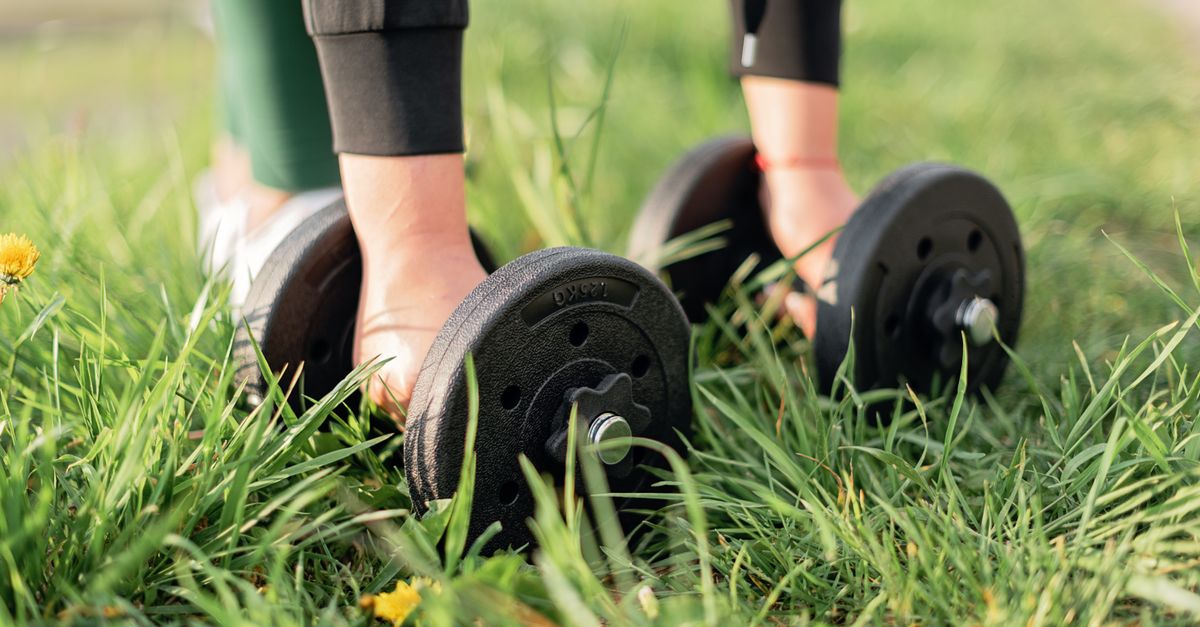
Small consistent efforts in movement and strength can meaningfully support vitality well into later decades.
Many adults seek ways to maintain independence and energy as they age. Sustainable fitness emphasizes gradual strength building, functional movement patterns, and balanced cardio to foster resilience without unnecessary strain.
In this article
- Why Strength Matters for Longevity
- How to Start a Sustainable Routine
- Balancing Cardio and Recovery
- Monitoring Progress Without Overdoing It
Why Strength Matters for Longevity
Research links preserved muscle mass and grip strength to lower mortality risk in observational studies. Functional training that mimics daily activities helps maintain mobility and reduces fall likelihood over time.
How to Start a Sustainable Routine
Begin with two to three sessions weekly incorporating bodyweight or light resistance exercises. Focus on compound movements like squats and rows while prioritizing form and recovery days between sessions.
Balancing Cardio and Recovery
More on Fitness
Fitness
Strength Training and Mobility for Healthy Aging
Consistent strength and mobility work helps maintain muscle, joint range, and daily function in adults over 40, with gradual progress reducing risk of setbacks.
Fitness
Sustainable Functional Fitness for Healthy Aging
Consistent moderate strength training and functional movement support muscle maintenance, cardiovascular resilience, and independence in adults over 40, with realistic weekly structures that minimize injury risk.
Fitness
Sustainable Strength Training for Healthy Aging
Learn how gradual strength and movement practices can help maintain muscle, support cardio health, and promote active aging without extreme routines or injury risks.