Sustainable Strength Training for Healthy Aging
Functional Fitness Habits That Support Long-Term Mobility and Independence
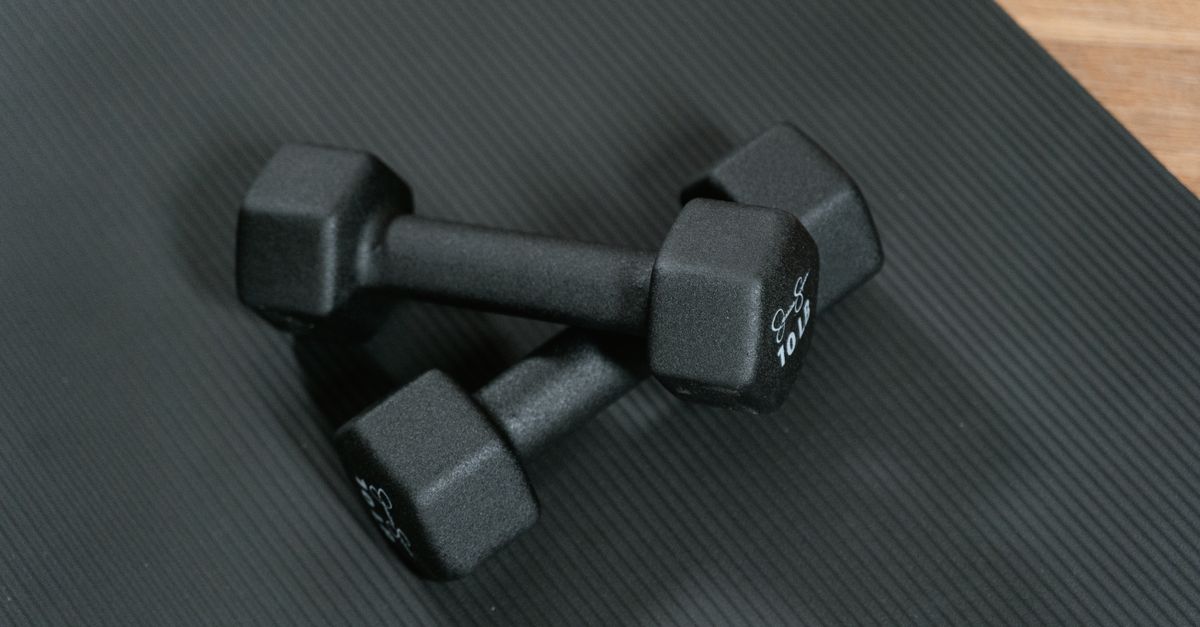
Staying strong and mobile as the years pass starts with consistent, low-risk habits rather than intense overhauls.
Sustainable fitness focuses on gradual progress in strength and movement to support healthy aging. Research shows that maintaining muscle mass and functional capacity correlates with better independence and lower health risks later in life, though individual results vary based on genetics, prior activity levels, and consistency.
Why Strength Matters for Active Aging
Muscle strength helps preserve bone density, joint stability, and metabolic health as we age. Human studies link regular resistance activities to reduced frailty risk, yet evidence remains stronger for overall activity than for any single guide, highlighting the value of personalization.
Incorporating Functional Movement Daily
Simple patterns like squats, pushes, and pulls mimic real-life tasks and improve balance. Evidence from observational data suggests these movements support mobility when performed consistently at moderate intensity, with diminishing returns beyond a certain volume for most adults.
Balancing Cardio and Recovery
Moderate cardio activities complement strength work by supporting heart health, while adequate rest prevents overtraining. Clinical observations indicate that recovery quality often determines long-term adherence more than workout intensity alone.
More on Fitness
Fitness
Strength Training and Mobility for Healthy Aging
Consistent strength and mobility work helps maintain muscle, joint range, and daily function in adults over 40, with gradual progress reducing risk of setbacks.
Fitness
Sustainable Functional Fitness for Healthy Aging
Consistent moderate strength training and functional movement support muscle maintenance, cardiovascular resilience, and independence in adults over 40, with realistic weekly structures that minimize injury risk.
Fitness
Strength and Mobility Habits for Healthy Aging
Gradual strength training and mobility work support daily function and independence as years advance, emphasizing recovery and steady routines over rapid changes.