Sustainable Functional Fitness for Healthy Aging
Building Strength and Mobility Through Gradual, Evidence-Informed Habits
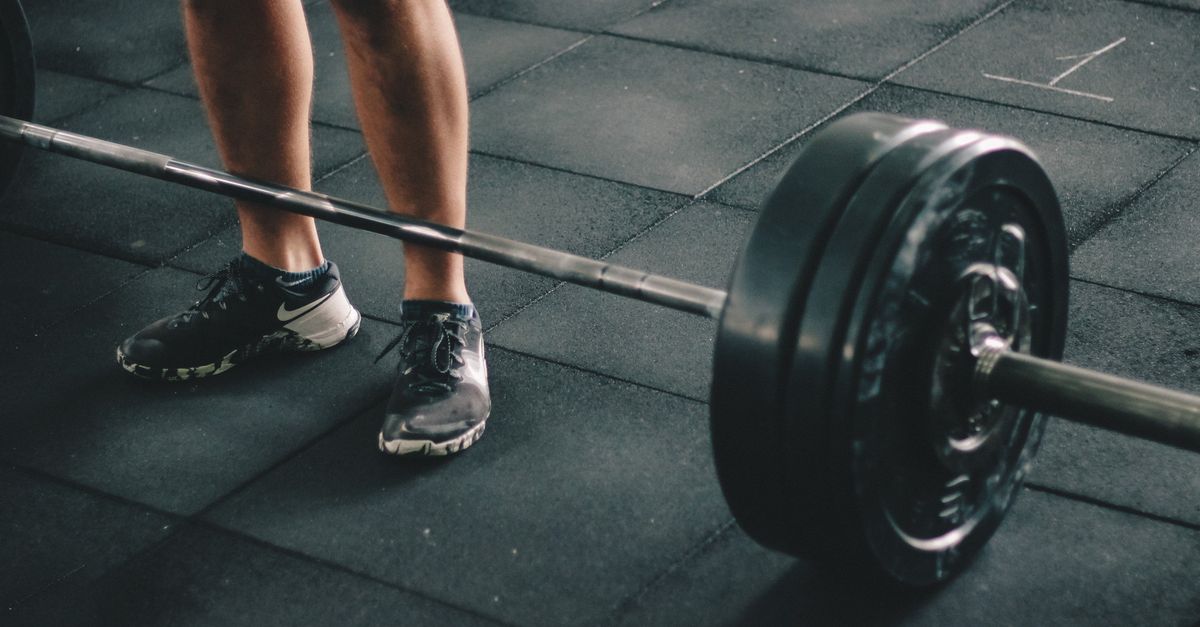
Adults seeking lasting mobility often benefit more from steady, moderate exercise patterns than from intense short-term efforts.
Functional fitness emphasizes movements that mirror daily activities such as lifting, reaching, and balancing, integrated with strength and light cardio elements. This approach prioritizes gradual adaptation over rapid change, aligning with physiological processes that preserve muscle mass and joint integrity across decades. Evidence from observational cohorts indicates that adults who maintain consistent moderate activity show slower declines in gait speed and grip strength compared with sedentary peers. The focus remains on sustainable patterns that fit around work and family responsibilities rather than requiring dedicated athletic environments.
Key facts
- Resistance training performed twice weekly can help preserve lean mass in adults over 40 according to multiple cohort studies.
- Functional movement patterns engage multiple muscle groups simultaneously, supporting coordination and balance.
- Recovery intervals of 48 hours between similar muscle group sessions allow connective tissue adaptation.
- Cardiovascular elements such as brisk walking complement strength work by supporting endothelial function.
- Individual responses vary based on prior activity history, sleep quality, and nutritional status.
Who this is for
Adults aged 40-65 who want to maintain independence and reduce age-related functional decline through moderate, repeatable exercise; individuals with stable chronic conditions may participate after medical clearance, while those recovering from acute injury or with uncontrolled cardiovascular issues should pause and consult a clinician first.
In this article
- What this actually is — and what it is not
- How it works in the body
- What the current evidence actually shows
- Who it may help, and who should pause
- How to apply it in a realistic weekly plan
- Trade-offs, access, cost, and common mistakes
What this actually is — and what it is not
Sustainable functional fitness combines resistance exercises, mobility drills, and low-impact cardio performed at moderate intensity several times per week. It centers on compound movements such as squats, hinges, pushes, and pulls that replicate real-life demands rather than isolated bodybuilding aesthetics. The practice deliberately avoids maximal lifts, high-repetition burnout sets, or daily high-intensity intervals that can accumulate fatigue without proportional long-term gains. Instead, sessions emphasize controlled tempo, full range where comfortable, and progressive but modest load increases every few weeks. This framing distinguishes it from competitive sports training or rapid body recomposition programs that often overlook recovery capacity in midlife.
How it works in the body
Mechanical loading from resistance stimulates muscle protein synthesis via mTOR pathways while also promoting bone density through Wolff's law in weight-bearing tissues. Repeated movement under load improves neuromuscular recruitment, which can enhance balance and reduce fall risk by refining proprioceptive feedback. Light cardio intervals support mitochondrial biogenesis in skeletal muscle and improve vascular compliance, contributing to better blood pressure regulation over months. Recovery periods allow satellite cell activity and extracellular matrix remodeling, processes that slow with chronological age yet remain responsive to consistent stimulus. Trade-offs appear when volume exceeds individual recovery capacity, potentially elevating cortisol and delaying connective tissue repair.
What the current evidence actually shows
Meta-analyses of randomized trials in adults 50 and older demonstrate that twice-weekly resistance training preserves appendicular lean mass and improves chair-rise time, with effect sizes moderate rather than dramatic. Prospective cohort data link higher grip strength and gait speed to lower all-cause mortality, though causation remains inferential because healthier individuals may self-select into activity. Evidence for functional movement programs reducing low-back pain is mixed, with some trials showing benefit and others finding no difference versus general activity. Cardiovascular outcomes improve modestly with combined strength and walking guides, yet isolated high-intensity approaches show similar or slightly larger short-term gains in VO2 peak. Uncertainty persists around optimal weekly volume for adults with varying sleep or stress profiles, and longer-term adherence studies beyond two years remain limited.
Who it may help, and who should pause
This framework suits adults noticing gradual loss of strength or stamina who wish to remain active in work and leisure without gym-centric extremes. It can complement existing walking routines or recreational sports by adding structured loading that targets underused posterior chain and grip muscles. Individuals with prior joint replacements or mild osteoarthritis often tolerate bodyweight and band variations well when form is monitored. Those experiencing acute joint swelling, chest pain on exertion, or recent surgery should pause and obtain clearance; similarly, anyone with uncontrolled hypertension or arrhythmia requires medical review before increasing load. starting point movement screens by a qualified trainer or physiotherapist help identify asymmetries that could otherwise progress into compensatory patterns.
How to apply it in a realistic weekly plan
A practical entry point involves two 35- to 45-minute strength sessions separated by at least 48 hours, plus two to three 30-minute brisk walks. Session one might include goblet squats, single-arm rows, and glute bridges performed for two to three sets of eight to twelve controlled repetitions, resting 90 seconds between sets. Session two could feature step-ups, push-up variations on an elevated surface, and farmer carries to emphasize grip and posture. Walks occur on non-consecutive days at a pace that allows conversation yet elevates breathing. Progression occurs by adding one repetition or a small weight increment only after two successful sessions at the current level. Monitoring includes noting energy levels the following morning and joint comfort during daily tasks; persistent soreness beyond 72 hours signals the need to reduce volume before escalating.
Trade-offs, access, cost, and common mistakes
The primary trade-off is time allocation: two dedicated sessions require scheduling discipline yet deliver compounding benefits in daily function that offset the commitment. Access remains high because bodyweight, resistance bands, and dumbbells suffice for the first 12 to 18 months, keeping costs under modest home-equipment budgets. Common mistakes include progressing load too quickly without mastering movement quality, neglecting warm-up mobility, or skipping recovery walks in favor of additional lifting days. Another frequent error is comparing personal progress to online demonstrations that feature younger or genetically gifted individuals, which can erode adherence. When evidence is limited on exact weekly sets for a given age or comorbidity, individuals benefit from tracking simple metrics such as grip strength with a handheld dynamometer or timed 400-meter walk every eight weeks and adjusting based on trends rather than external benchmarks.
Frequently asked questions
How many sessions per week are enough to see benefits?
Two full-body strength sessions plus two to three walks provide a measurable stimulus for most adults 40-65 while allowing recovery. Adding a third strength day can be considered after six months if sleep and energy remain stable, but many maintain gains with the lower frequency.
What if I have mild knee discomfort during squats?
Modify range or substitute sit-to-stand variations and glute bridges until discomfort resolves. Persistent symptoms beyond two weeks warrant evaluation by a physiotherapist to rule out compensatory movement patterns before continuing loaded knee flexion.
Do I need special equipment or a gym membership?
Resistance bands, a sturdy chair, and a pair of adjustable dumbbells cover the foundational movements for the first year. Many adults begin with household items such as water jugs before investing in equipment.
How do I know if I am progressing too fast?
Track morning energy, joint comfort during routine activities, and sleep quality. A sudden drop in any of these after increasing load or volume indicates the need to reduce by one set or 10 percent load for the next two sessions.
Practical takeaways
- Schedule two 40-minute strength sessions on non-consecutive days and log completion in a simple calendar.
- Perform a 5-minute mobility warm-up before each session and note any new discomfort in a brief post-session note.
- Test grip strength or timed walk distance every eight weeks and adjust volume only if metrics plateau for two consecutive tests.
- If morning soreness lasts longer than 48 hours or daily tasks feel harder, reduce one set per exercise and reassess after one week.
- Consult a trainer or physiotherapist for form checks at the three-month mark or sooner if asymmetry appears.
Sources and evidence notes
- Meta-analyses of resistance training in adults over 50. Multiple systematic reviews show moderate effect sizes for lean mass and functional tests; heterogeneity in guides limits precise volume recommendations.
- Prospective cohort studies on grip strength and mortality. Observational data link higher starting point strength to lower mortality risk, though residual confounding by overall health behaviors cannot be excluded.
- Combined strength and walking interventions. Randomized trials demonstrate modest improvements in VO2 and blood pressure markers, with adherence dropping when weekly time exceeds 150 minutes.
Safety note
Stop any movement that produces sharp pain or dizziness and seek medical evaluation. Gradual progression and professional form assessment reduce but do not eliminate injury risk.
Disclaimer
This content provides general educational information and does not constitute medical advice, diagnosis, or treatment. Consult a qualified healthcare professional before beginning any new exercise program, especially if you have existing health conditions.
Sustainable functional fitness offers a measured path to supporting strength, balance, and cardiovascular health through midlife and beyond. By focusing on repeatable sessions, honest self-monitoring, and timely professional input when needed, adults can accumulate meaningful adaptations without excessive time or risk. The emphasis remains on consistency over intensity and on listening to individual recovery signals rather than external performance standards.
More on Fitness
Fitness
Sustainable Strength Training for Healthy Aging
Learn how gradual strength and movement practices can help maintain muscle, support cardio health, and promote active aging without extreme routines or injury risks.
Fitness
Strength and Mobility Habits for Healthy Aging
Gradual strength training and mobility work support daily function and independence as years advance, emphasizing recovery and steady routines over rapid changes.
Fitness
Sustainable Strength Training for Healthy Aging
Consistent moderate strength work combined with daily movement helps preserve muscle mass, joint function, and cardiovascular resilience as adults age, supporting independence without extreme routines.