Understanding Longevity Lab Tests and Biomarkers
Educational Overview of Markers for Biological Age Assessment
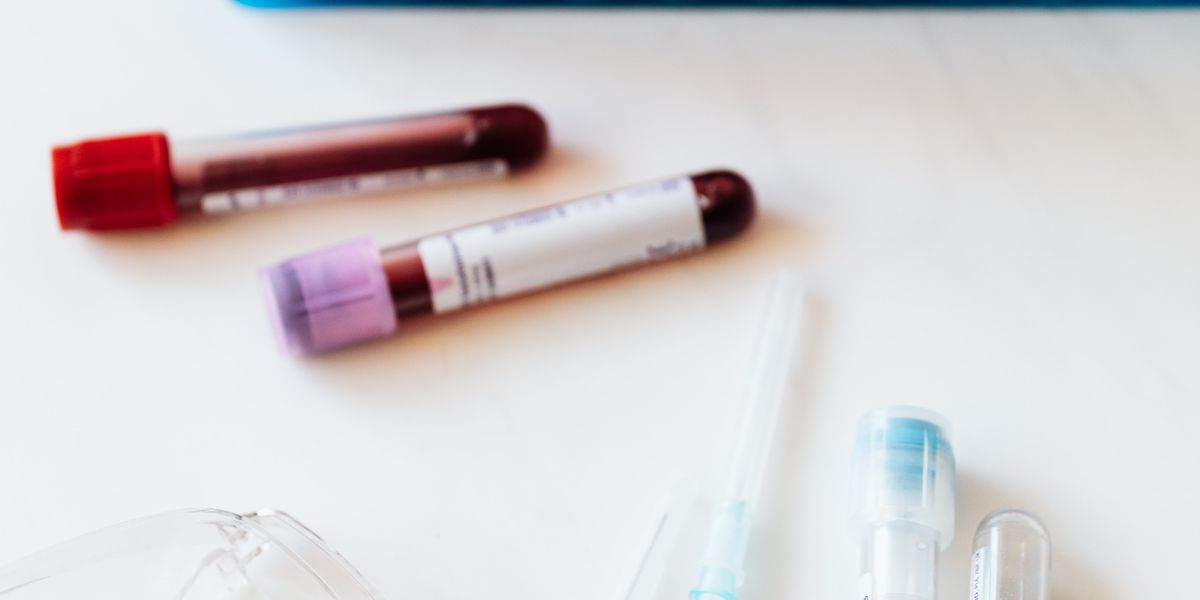
LetsGo Care Editorial
Understanding Longevity Lab Tests and Biomarkers
Lab tests can reveal patterns in metabolic function and cellular aging that chronological age alone does not capture.
Longevity-focused lab testing examines specific biomarkers tied to metabolic health, inflammation, and epigenetic changes. These markers offer insights into how biological systems are functioning over time. Evidence varies in strength across different tests, with some supported by large cohort studies and others remaining exploratory. Individuals interested in these assessments should review results only with a clinician to avoid misinterpretation.
In this article
- What Biomarkers Are Commonly Included in Longevity Panels?
- How Do Epigenetic Clocks Differ from Routine Blood Tests?
- What Relationships Exist Between Metabolic and Inflammatory Markers?
- When Should Advanced Biomarker Testing Be Considered?
What Biomarkers Are Commonly Included in Longevity Panels?
Standard panels often measure fasting glucose, insulin, HbA1c, lipid fractions, and hs-CRP for inflammation. Additional markers such as IGF-1, homocysteine, and vitamin D status provide context on growth signaling and nutrient sufficiency. These values reflect integrated physiological processes rather than isolated events.
How Do Epigenetic Clocks Differ from Routine Blood Tests?
More on Lab Tests & Biomarkers
Lab Tests & Biomarkers
Time, money, and follow-up: the real cost of lab tests & biomarkers in Kuala Lumpur
From Kuala Lumpur: Dr. Samuel Osei takes lab tests & biomarkers off the brochure and onto a dated briefing (2026-09). Mechanism, evidence grade, who should wait, and what a four-week trial would actually include.
Lab Tests & Biomarkers
Longevity Lab Tests and Biomarkers: Educational Insights into Biological Age Assessment
Longevity lab tests and biomarkers offer data on metabolic function, inflammation, and cellular aging processes, helping adults aged 40-65 build literacy around panels that may inform healthspan discussions with clinicians.
Lab Tests & Biomarkers
Longevity Lab Tests and Biomarkers for Biological Age Assessment
Educational overview of lab tests and biomarkers commonly used to evaluate aspects of biological age, metabolic function, and healthspan indicators.