Longevity Lab Tests and Biomarkers for Biological Age Assessment
Educational Overview of Key Markers and Testing Approaches
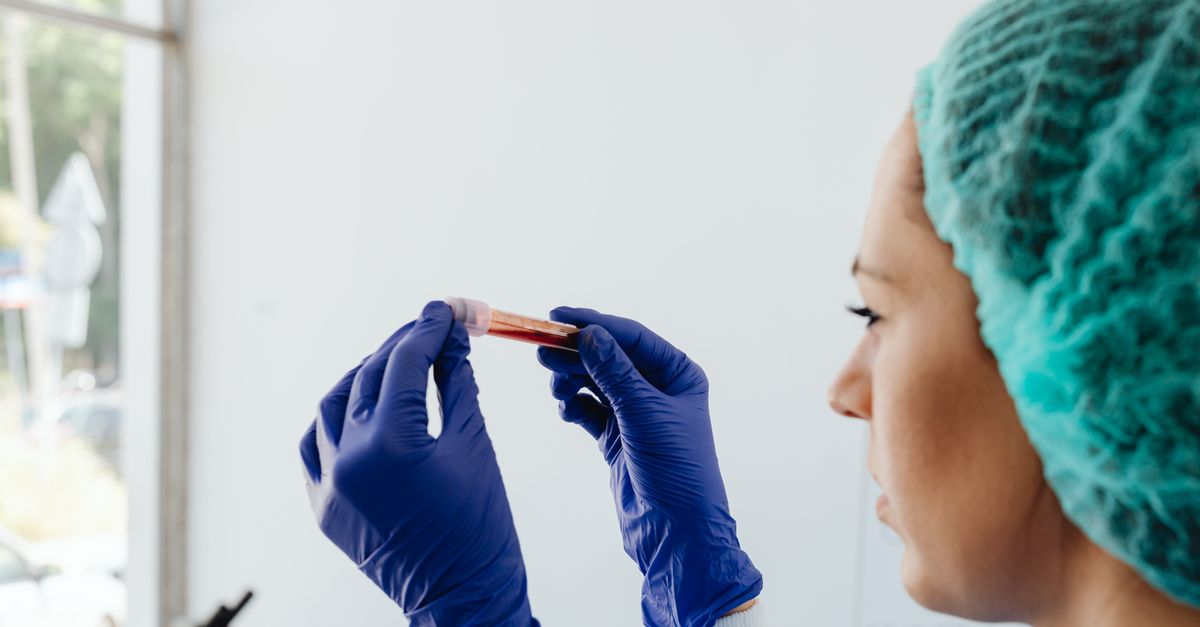
Biological age reflects cumulative physiological changes that standard chronological age does not capture, and specific lab tests can surface measurable signals of those changes.
Longevity-focused lab testing examines biomarkers tied to metabolic function, inflammation, hormone regulation, and epigenetic patterns. These measurements provide population-level data on aging trajectories but require clinician oversight for any personal application. This article outlines common tests and their general context in research and clinical observation.
In this article
- What metabolic and inflammatory markers appear in longevity panels?
- How do epigenetic tests estimate biological age?
- When might advanced functional testing add context?
- How do combined marker sets differ from single-test approaches?
What metabolic and inflammatory markers appear in longevity panels?
Panels often include fasting glucose, HbA1c, lipid fractions, hs-CRP, and IGF-1. These markers track glucose handling, lipid metabolism, and low-grade inflammation, each linked in observational studies to age-related risk patterns. Evidence strength varies by marker and population studied.
More on Lab Tests & Biomarkers
Lab Tests & Biomarkers
Time, money, and follow-up: the real cost of lab tests & biomarkers in Kuala Lumpur
From Kuala Lumpur: Dr. Samuel Osei takes lab tests & biomarkers off the brochure and onto a dated briefing (2026-09). Mechanism, evidence grade, who should wait, and what a four-week trial would actually include.
Lab Tests & Biomarkers
Longevity Lab Tests and Biomarkers: Educational Insights into Biological Age Assessment
Longevity lab tests and biomarkers offer data on metabolic function, inflammation, and cellular aging processes, helping adults aged 40-65 build literacy around panels that may inform healthspan discussions with clinicians.
Lab Tests & Biomarkers
Key Lab Tests and Biomarkers for Longevity Assessment
Learn about essential lab tests and biomarkers that provide insights into biological aging processes and metabolic health without replacing professional medical guidance.