Understanding Food Supplements Through Everyday Meals
A Practical Look at Nutrition Choices
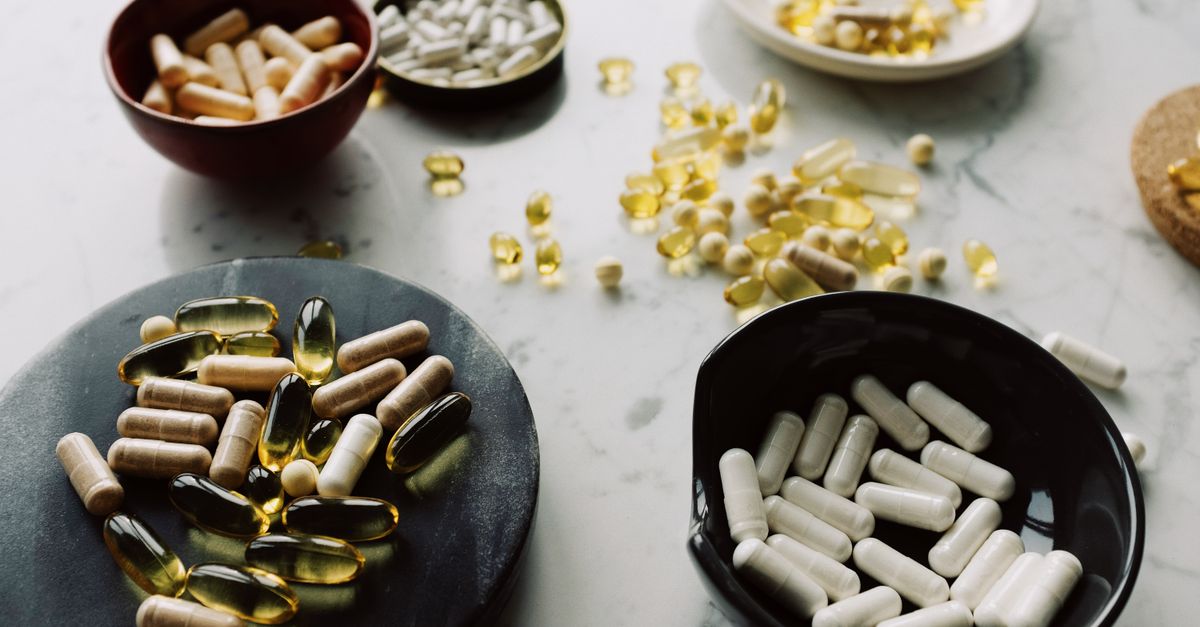
Many adults consider supplements when wondering if daily meals already cover essential nutrients for long-term wellbeing.
As a Malaysian dietician, I often meet people curious about food supplements yet unsure how they relate to regular eating patterns. This article focuses on building meals first, using familiar ingredients to support nutrition over time while offering honest context on supplements without overpromising.
In this article
- What Are Food Supplements in Simple Terms?
- Why Meals Usually Come Before Any Supplement?
- How to Build Supplement Literacy for Everyday Decisions?
- Practical Ways to Strengthen Meals Over Time
What Are Food Supplements in Simple Terms?
Food supplements refer to concentrated forms of nutrients available as tablets, powders or liquids. They exist alongside regular foods but are not replacements for the variety found in whole meals like rice, vegetables, fish and fruits common in Malaysian kitchens.
Why Meals Usually Come Before Any Supplement?
Whole foods deliver nutrients alongside fiber, water and natural compounds that work together in the body. A plate with colorful vegetables, lean proteins and grains often provides a broad nutrient range that supports steady energy and recovery without needing extra products.
More on Food Supplements
Food Supplements
Food Supplements after the Kuala Lumpur brochure: a 2025-10 briefing
From Kuala Lumpur: Dr. Maya Brooks takes food supplements off the brochure and onto a dated briefing (2025-10). Mechanism, evidence grade, who should wait, and what a four-week trial would actually include.
Food Supplements
Food Supplements after the Kuala Lumpur brochure: a 2025-10 briefing
From Kuala Lumpur: Dr. Maya Brooks takes food supplements off the brochure and onto a dated briefing (2025-10). Mechanism, evidence grade, who should wait, and what a four-week trial would actually include.
Food Supplements
Food Supplements after the Kuala Lumpur brochure: a 2025-10 briefing
From Kuala Lumpur: Dr. Maya Brooks takes food supplements off the brochure and onto a dated briefing (2025-10). Mechanism, evidence grade, who should wait, and what a four-week trial would actually include.