Lab Tests and Biomarkers for Assessing Biological Age
Educational Overview of Longevity-Relevant Markers
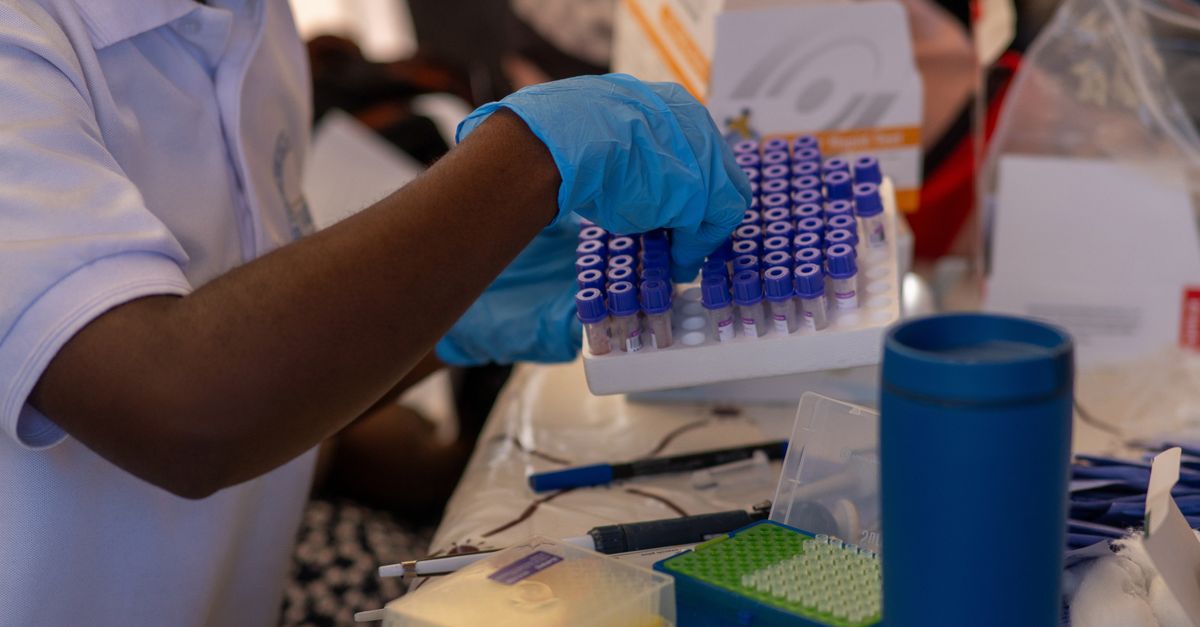
Biological age can diverge from chronological age, and specific lab tests provide measurable data points that researchers use to study aging processes.
Longevity research examines how certain blood-based markers correlate with healthspan and cellular aging. This educational content outlines common tests, their mechanistic roles, supporting evidence, and practical considerations for monitoring without offering individual interpretations.
In this article
- Metabolic Markers and Aging Mechanisms
- Inflammatory and Cardiovascular Indicators
- Epigenetic Clocks and Composite Panels
- Combining Markers for Systems Insight
Metabolic Markers and Aging Mechanisms
Markers such as fasting glucose, HbA1c, and insulin levels reflect glucose regulation efficiency. Dysregulation in these pathways is linked in observational studies to accelerated aging processes through glycation and mitochondrial stress, though individual variability remains high and evidence is primarily associative rather than causal.
Inflammatory and Cardiovascular Indicators
High-sensitivity CRP and homocysteine are frequently included in panels because chronic low-grade inflammation contributes to tissue remodeling over time. Longitudinal cohort data associate elevated levels with increased risk trajectories, yet these remain nonspecific and require contextual clinical correlation.
More on Lab Tests & Biomarkers
Lab Tests & Biomarkers
Time, money, and follow-up: the real cost of lab tests & biomarkers in Kuala Lumpur
From Kuala Lumpur: Dr. Samuel Osei takes lab tests & biomarkers off the brochure and onto a dated briefing (2026-09). Mechanism, evidence grade, who should wait, and what a four-week trial would actually include.
Lab Tests & Biomarkers
Longevity Lab Tests and Biomarkers: Educational Insights into Biological Age Assessment
Longevity lab tests and biomarkers offer data on metabolic function, inflammation, and cellular aging processes, helping adults aged 40-65 build literacy around panels that may inform healthspan discussions with clinicians.
Lab Tests & Biomarkers
Longevity Lab Tests and Biomarkers for Biological Age Assessment
Educational overview of lab tests and biomarkers commonly used to evaluate aspects of biological age, metabolic function, and healthspan indicators.