Key Lab Tests for Longevity Biomarkers
Educational Overview of Biological Age Indicators
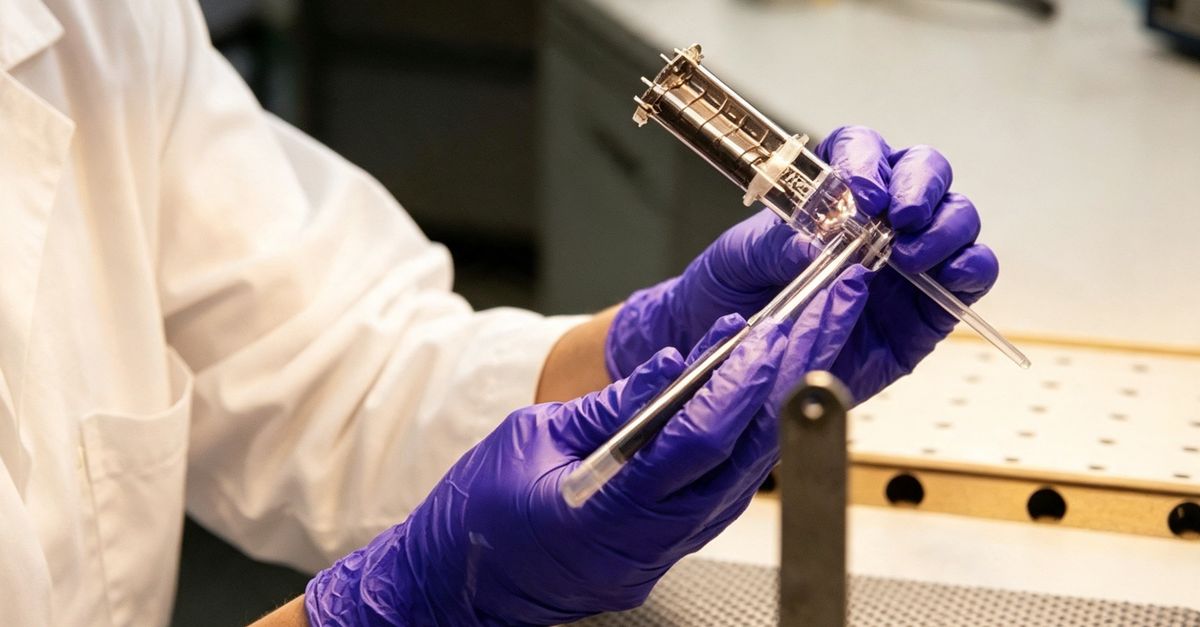
Discover how specific biomarkers can illuminate pathways related to healthy aging and longevity in educational contexts.
This article provides general education on longevity-relevant lab tests and biomarkers commonly discussed in functional and longevity medicine. These markers offer windows into metabolic function, inflammation levels, and potential biological age indicators, empowering readers to understand testing options when working with clinicians.
In this article
- Metabolic and Glucose Regulation Markers
- Inflammatory and Oxidative Stress Indicators
- Hormonal and Endocrine Profiles
- Epigenetic and Advanced Biological Age Testing
Metabolic and Glucose Regulation Markers
Biomarkers such as fasting glucose, insulin, and HbA1c are frequently examined in longevity contexts because they reflect how the body manages energy and may indicate metabolic efficiency over time. Educational resources often highlight these as foundational tests for understanding systemic health patterns.
Inflammatory and Oxidative Stress Indicators
Tests including hs-CRP, IL-6, and homocysteine provide information on chronic inflammation and oxidative processes. In longevity education, these markers are presented as tools to explore how inflammation might influence cellular health and aging trajectories when reviewed professionally.
More on Lab Tests & Biomarkers
Lab Tests & Biomarkers
Longevity Lab Tests and Biomarkers: Educational Insights into Biological Age Assessment
Longevity lab tests and biomarkers offer data on metabolic function, inflammation, and cellular aging processes, helping adults aged 40-65 build literacy around panels that may inform healthspan discussions with clinicians.
Lab Tests & Biomarkers
Longevity Lab Tests and Biomarkers for Biological Age Assessment
Educational overview of lab tests and biomarkers commonly used to evaluate aspects of biological age, metabolic function, and healthspan indicators.
Lab Tests & Biomarkers
Key Lab Tests and Biomarkers for Longevity Assessment
Learn about essential lab tests and biomarkers that provide insights into biological aging processes and metabolic health without replacing professional medical guidance.