Food Supplements in Everyday Malaysian Meals
Building Nutrition Literacy Around Whole Foods First
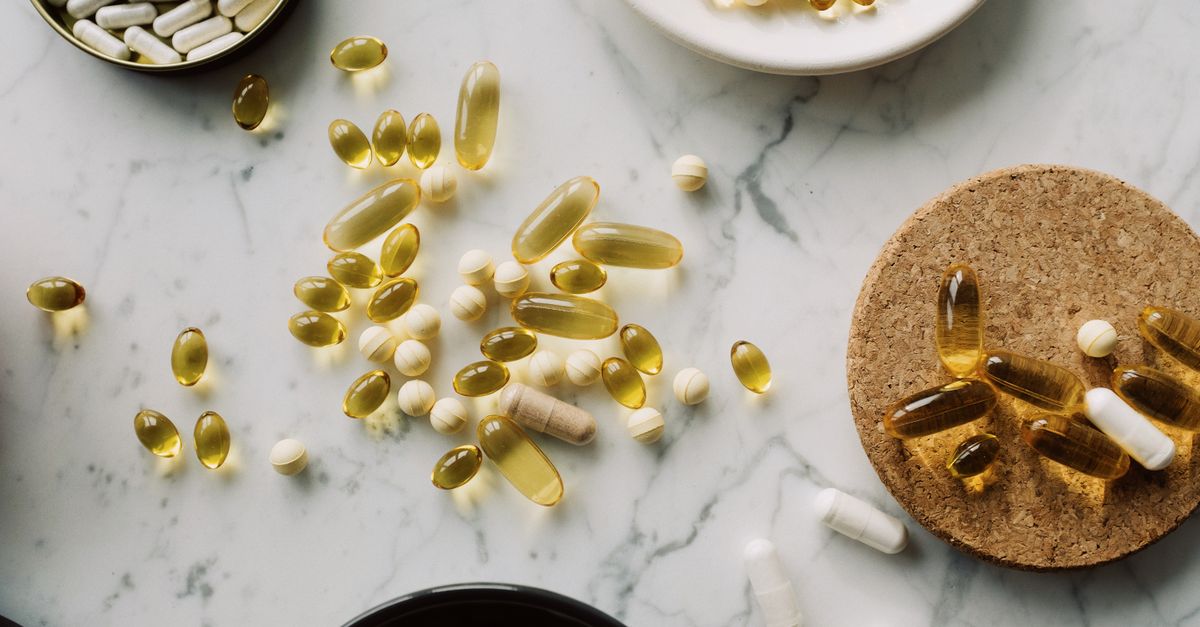
Many people wonder where food supplements belong when daily meals already offer rich nutrition from local produce and spices.
As a Malaysian dietician, I focus on helping adults build sustainable eating habits that support long-term health. Food supplements can be part of the conversation only after establishing consistent meal patterns rich in vegetables, proteins, and whole grains.
In this article
- What Role Do Food Supplements Play?
- How Can Meals Come First?
- When Might Supplements Enter the Picture?
- What Evidence Supports This Approach?
What Role Do Food Supplements Play?
Supplements are concentrated forms of nutrients that may fill specific gaps when diet alone falls short due to lifestyle or availability. Evidence shows whole foods deliver nutrients in synergistic combinations that isolated supplements often cannot replicate exactly.
How Can Meals Come First?
Start by centering plates around colorful vegetables, legumes, fish, and fermented items like tempeh or yogurt. These choices naturally supply fiber, polyphenols, and micronutrients linked to lower inflammation and better metabolic health over time.
More on Food Supplements
Food Supplements
Food Supplements after the Kuala Lumpur brochure: a 2025-10 briefing
From Kuala Lumpur: Dr. Maya Brooks takes food supplements off the brochure and onto a dated briefing (2025-10). Mechanism, evidence grade, who should wait, and what a four-week trial would actually include.
Food Supplements
Food Supplements after the Kuala Lumpur brochure: a 2025-10 briefing
From Kuala Lumpur: Dr. Maya Brooks takes food supplements off the brochure and onto a dated briefing (2025-10). Mechanism, evidence grade, who should wait, and what a four-week trial would actually include.
Food Supplements
Food Supplements after the Kuala Lumpur brochure: a 2025-10 briefing
From Kuala Lumpur: Dr. Maya Brooks takes food supplements off the brochure and onto a dated briefing (2025-10). Mechanism, evidence grade, who should wait, and what a four-week trial would actually include.