Anti-Inflammatory Eating: Practical Food Choices for Daily Wellness
A Malaysian Dietician's Food-First Guide to Everyday Meal Planning
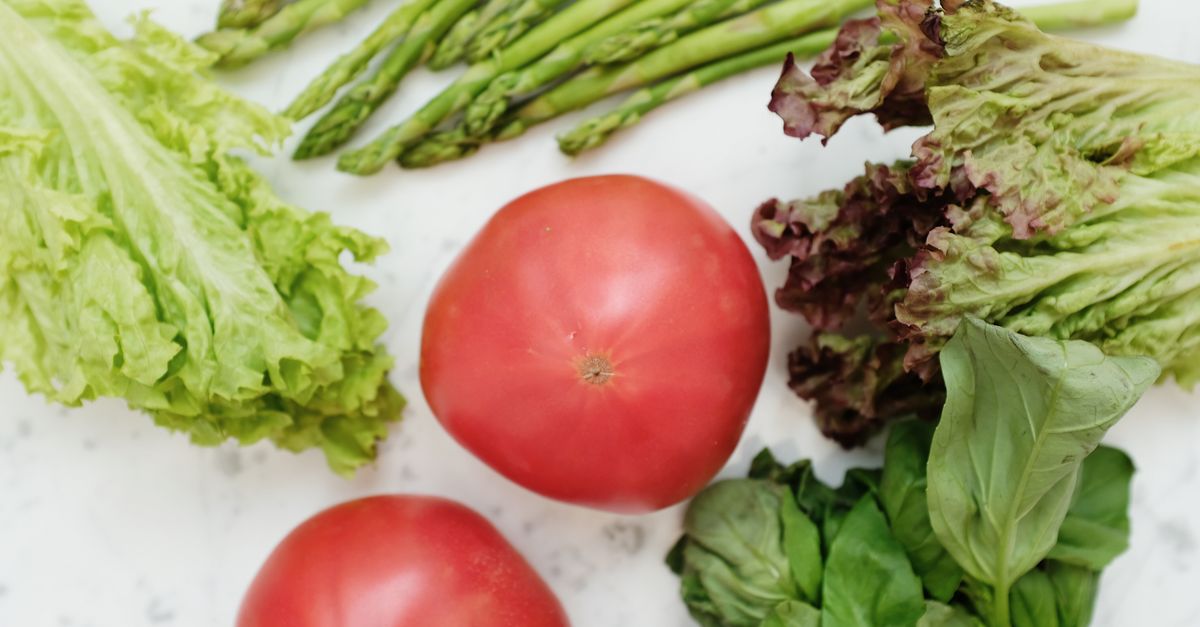
Many adults seek ways to feel steadier day to day, and shifting focus to consistent meal patterns with common ingredients offers a grounded starting point.
Chronic low-grade inflammation is a normal biological process that can become persistent with age, lifestyle factors, and diet patterns. As a Malaysian dietician, I emphasize building plates around whole foods rather than isolated compounds. This approach aligns with longevity principles by supporting metabolic health through repeated daily choices. Evidence from population studies links higher intakes of plant foods and omega-3 sources to lower markers like CRP, though individual responses vary widely. The goal is sustainable habits that fit real Malaysian kitchens and busy schedules, not restrictive guides.
Key facts
- Population studies associate regular consumption of colorful produce and fatty fish with modestly lower inflammatory markers over years.
- Cooking methods such as steaming, stir-frying with minimal oil, and using spices like turmeric and ginger preserve beneficial compounds.
- No single food eliminates inflammation; patterns across weeks and months matter more than isolated meals.
- Evidence remains stronger for overall dietary patterns than for any one ingredient in isolation.
Who this is for
Adults aged 40-65 interested in proactive wellness through food, particularly those with family histories of metabolic concerns or seeking to maintain energy and mobility; individuals with diagnosed conditions should consult clinicians before major changes.
In this article
- What this actually is — and what it is not
- How it works in the body
- What the current evidence actually shows
- Who it may help, and who should pause
- How to apply it in a realistic weekly plan
- Trade-offs, access, cost, and common mistakes
- How to monitor progress without over-testing
- Myths, unanswered questions, and thin evidence
- How this fits a broader longevity plan
What this actually is — and what it is not
Anti-inflammatory eating refers to consistent dietary patterns rich in vegetables, fruits, legumes, whole grains, nuts, seeds, and sources of healthy fats that may help modulate the body's inflammatory responses over time. It is not a treatment or cure for any disease. In practice this means building meals around local produce such as kangkung, brinjal, and papaya alongside staples like brown rice or oats. The approach avoids promising rapid changes and instead focuses on cumulative effects from repeated choices. It differs from elimination diets or supplement regimens by prioritizing whole meals that provide fiber, polyphenols, and micronutrients together.
How it works in the body
Certain food components interact with cellular pathways involved in inflammation, such as NF-kB signaling and oxidative stress reduction. Polyphenols from berries and spices may influence gut microbiota, which in turn affects systemic signals. Omega-3 fats from fish can compete with pro-inflammatory omega-6 pathways. These mechanisms are observed in lab and short-term human studies, yet translating them to long-term outcomes requires sustained intake rather than single meals. Trade-offs include the need for variety to avoid nutrient gaps and the reality that genetics and sleep also shape responses.
What the current evidence actually shows
Observational data from cohorts like the Nurses' Health Study link Mediterranean-style or plant-forward patterns to lower CRP and IL-6 levels. Randomized trials of similar patterns show small reductions in inflammatory markers after 8-12 weeks, with effect sizes often modest. Evidence quality is moderate for cardiovascular risk reduction but thinner for direct longevity extension in healthy adults. Clinical observations note better adherence when meals remain culturally familiar, such as incorporating local spices. Uncertainty remains around exact thresholds of benefit and whether benefits plateau after certain intake levels.
Who it may help, and who should pause
People experiencing fatigue or joint stiffness alongside typical modern diets may notice steadier energy after several weeks of consistent plant-forward eating. Those with high processed food intake often see the largest shifts in lab markers when swapping to whole-food versions. Individuals with inflammatory bowel conditions or on specific medications should pause and seek medical guidance first, as fiber increases can temporarily worsen symptoms. Pregnant or immunocompromised adults require tailored advice to ensure nutrient adequacy.
How to apply it in a realistic weekly plan
Start by filling half the plate with vegetables at lunch and dinner, using Malaysian favorites like stir-fried greens with garlic and a small portion of fish or tempeh. Breakfast can feature oats topped with banana and a sprinkle of flaxseed. Aim for two to three servings of fatty fish or plant omega-3 sources weekly. Batch-prep lentil or bean curries on weekends to reduce weekday decisions. Track adherence by noting how many meals include at least three plant colors rather than counting specific nutrients. Adjust portions based on activity and hunger cues.
Trade-offs, access, cost, and common mistakes
Fresh produce and fish can raise weekly grocery costs compared with processed alternatives, though seasonal and market sourcing helps. Time for chopping and cooking represents another trade-off versus convenience foods. Common mistakes include over-relying on one 'superfood' like turmeric while neglecting overall variety, or expecting quick symptom relief. Access varies by location; frozen vegetables retain most benefits and lower waste. Limitations include the absence of dramatic short-term changes and the need for ongoing consistency rather than short bursts.
How to monitor progress without over-testing
Track subjective markers such as energy stability, sleep quality, and ease of movement in a simple weekly journal. Note digestion patterns and how clothes fit as indirect indicators of metabolic balance. If available, periodic CRP or fasting glucose through routine check-ups can provide objective data, but avoid frequent self-ordered tests. Reassess after eight to twelve weeks of consistent changes before deciding on further adjustments. Escalate to a clinician if new symptoms appear or existing ones worsen.
Myths, unanswered questions, and thin evidence
A common myth is that certain foods act like medicine to switch off inflammation entirely; evidence shows supportive rather than curative effects. Questions remain about optimal ratios of specific fats and the role of fermented foods in diverse populations. Thin evidence exists for claims around individual spices delivering measurable longevity gains in isolation. Population data is largely from Western cohorts, leaving gaps for Asian dietary contexts. Ongoing research explores microbiome interactions but lacks definitive long-term human trials.
How this fits a broader longevity plan
Anti-inflammatory eating complements sleep, movement, and stress management within frameworks like BioAge assessment. It supports metabolic resilience that may influence how other longevity interventions perform. Integrate it by aligning weekly meal patterns with physical activity goals and recovery periods. Limitations include that diet alone does not address all aging pathways. High-agency adults can combine this with coaching programs for accountability while recognizing that individual biology requires personalized monitoring beyond general guidance.
Frequently asked questions
Can I still enjoy Malaysian favorites like nasi lemak while eating anti-inflammatory?
Yes, by modifying portions and adding more vegetables and spices. Use brown rice, reduce coconut milk, and include plenty of greens and a small fish serving. This keeps cultural enjoyment while shifting the overall balance toward supportive ingredients.
How long before noticing changes from these food shifts?
Most people observe subtle differences in energy or digestion within four to eight weeks of consistent patterns. Lab markers may shift more slowly. Results depend on starting diet quality and other lifestyle factors.
Is there a need to avoid all nightshade vegetables or other common foods?
No broad avoidance is supported for healthy adults. Individual tolerances vary, so personal experimentation with a food diary helps identify any personal triggers without unnecessary restrictions.
What if fresh fish is hard to access regularly?
Canned sardines or mackerel in water provide similar benefits at lower cost. Plant sources like chia or flax can supplement but differ in fatty acid forms. Focus on overall weekly variety rather than daily perfection.
Practical takeaways
- Plan three dinners this week with at least two cups of vegetables and a source of healthy fat such as fish or nuts.
- Replace one processed snack daily with fruit and a small handful of unsalted nuts for two weeks, then note energy levels.
- Cook one traditional dish using extra spices and reduced oil, repeating it monthly to build habit.
- Review grocery receipts monthly to ensure at least 60 percent of spend goes to produce, whole grains, and proteins.
- Schedule a routine blood panel with your doctor every 12 months to track basic markers if concerned about trends.
Sources and evidence notes
- Observational cohort studies on dietary patterns and CRP. Moderate quality evidence from large population follow-ups showing associations but not causation.
- Randomized trials of Mediterranean-style diets. Short-term reductions in inflammatory markers documented; longer-term data limited.
- Nutrient composition data on local Malaysian foods. Standard food tables confirm polyphenol and fiber content in common vegetables and spices.
Safety note
People with medical conditions, on medications, or experiencing symptoms should consult a qualified healthcare professional before making dietary changes.
Disclaimer
This content is for educational purposes only and does not constitute medical advice, diagnosis, or treatment. It does not claim foods cure illness.
Sustainable anti-inflammatory eating centers on repeated, enjoyable meals rather than perfection. By focusing on accessible ingredients and balanced plates, adults can support long-term wellness in practical ways that fit daily life.
More on Anti-Inflammatories
Anti-Inflammatories
Anti-Inflammatory Lifestyles and Foods: Practical Steps for Everyday Balance
Explore evidence-aware ways to weave anti-inflammatory foods and routines into daily life, focusing on sleep, stress balance and sustainable behaviour change for adults in the UK.
Anti-Inflammatories
Understanding Anti-Inflammatory Lifestyles and Foods for Everyday Wellbeing
Explore how anti-inflammatory approaches to food, sleep and stress may gently support long-term health, with evidence-aware steps suitable for adults aged 40 to 65.
Anti-Inflammatories
Anti-Inflammatory Lifestyles and Foods for Healthy Ageing
Learn how everyday choices around food, movement and rest may help manage low-grade inflammation, with realistic steps you can try this week and clear guidance on when to speak with a clinician.