Anti-Inflammatory Eating: Practical Food Choices for Daily Wellness
A Malaysian Dietician's Food-First Guide to Supporting Long-Term Health
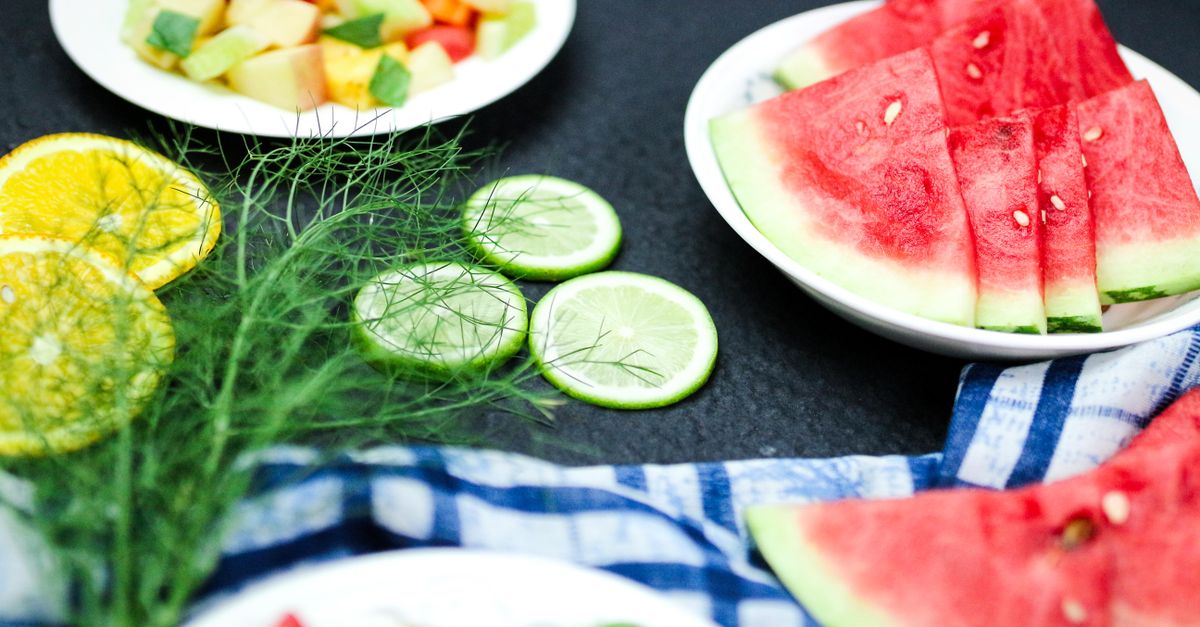
Many adults notice that shifting toward colorful plant foods and balanced plates can ease everyday discomfort without needing special products.
Anti-inflammatory eating centers on choosing whole foods that provide fiber, polyphenols, and healthy fats rather than relying on isolated compounds. This approach draws from patterns like the Mediterranean and traditional Asian diets, which emphasize vegetables, fruits, legumes, nuts, and spices prepared at home. As a Malaysian dietician, I see clients benefit most when they build meals around local produce such as ginger, lemongrass, and leafy greens instead of seeking quick fixes. Evidence from population studies links these patterns to lower levels of C-reactive protein and other markers, yet individual responses differ based on sleep, movement, and stress. The goal remains sustainable daily choices that fit real Malaysian kitchens and schedules.
Key facts
- Chronic low-grade inflammation links to many age-related changes but is influenced by multiple factors beyond diet alone.
- Polyphenol-rich foods like berries and turmeric show modest effects on inflammatory pathways in human trials.
- Fiber from vegetables and whole grains supports gut health, which indirectly affects systemic inflammation.
- No single food eliminates inflammation; consistent meal patterns matter more than occasional superfood additions.
- People with existing medical conditions should consult clinicians before major dietary shifts.
Who this is for
Adults aged 40-65 interested in supporting wellness through sustainable food patterns, particularly those exploring longevity concepts like BioAge tracking within physician-led programs.
In this article
- What this actually is — and what it is not
- How it works in the body
- What the current evidence actually shows
- Who it may help, and who should pause
- How to apply it in a realistic weekly plan
- Trade-offs, access, cost, and common mistakes
- How to monitor progress without over-testing
- Myths, unanswered questions, and thin evidence
- How this fits a broader longevity plan
What this actually is — and what it is not
Anti-inflammatory eating describes a dietary pattern that prioritizes foods with compounds shown in research to influence inflammatory signaling pathways. It is not a medical treatment or a way to reverse diagnosed conditions. Meals built around vegetables, fruits, fatty fish or plant alternatives, nuts, and spices form the core, while ultra-processed items are reduced. This differs from supplement regimens because whole foods deliver fiber and synergistic nutrients that isolated extracts lack. In practice, it means preparing dishes like stir-fried greens with ginger or berry-based desserts rather than expecting any one ingredient to act as therapy.
How it works in the body
Certain plant compounds can interact with NF-kB and other transcription factors that regulate inflammatory responses at the cellular level. Omega-3 fats from fish or flax may shift eicosanoid production toward less inflammatory mediators. Fiber fermentation in the gut produces short-chain fatty acids that support barrier function and immune balance. These mechanisms appear in cell and animal studies, with human evidence showing modest reductions in circulating cytokines after consistent adherence to such patterns over months. Trade-offs include the time needed for meal preparation versus convenience foods.
What the current evidence actually shows
Observational data from large cohorts associate Mediterranean-style eating with lower cardiovascular events and some inflammatory markers, yet randomized trials often show smaller or mixed results when isolating diet alone. Emerging research on specific spices like turmeric notes bioavailability challenges and variable absorption in humans. Clinical observations in longevity clinics suggest benefits for energy and joint comfort in some patients, but these remain individual and not guaranteed. Evidence quality is stronger for overall dietary patterns than for any single food, and long-term randomized data on longevity endpoints are still limited.
Who it may help, and who should pause
Individuals with elevated inflammatory markers or family history of metabolic concerns may notice supportive effects from consistent food choices alongside other lifestyle factors. Those managing autoimmune conditions or on medications should discuss changes with their physician first to avoid interactions. Pregnant individuals or people with food allergies need tailored adjustments. The pattern suits most healthy adults seeking preventive wellness but is not a substitute for prescribed care.
How to apply it in a realistic weekly plan
Start by filling half the plate with vegetables at lunch and dinner, adding a source of healthy fat such as avocado or nuts. Include turmeric or ginger in curries and soups several times weekly, paired with black pepper for better absorption from food context. Swap refined snacks for fruit and yogurt or whole-grain options. A sample day might feature oats with berries for breakfast, a rice and vegetable bowl with fish for lunch, and a lentil stew for dinner. Track adherence by noting how many meals include at least three plant types rather than aiming for perfection.
Trade-offs, access, cost, and common mistakes
Fresh produce can cost more in some seasons, though frozen options and local markets help control expenses. Time for cooking represents another trade-off versus ready meals, yet batch preparation of staples like spiced vegetable mixes reduces daily effort. Common mistakes include over-relying on one ingredient like turmeric while neglecting overall balance, or expecting rapid changes. Access improves by focusing on affordable Malaysian staples such as kangkung, papaya, and anchovies rather than imported superfoods.
How to monitor progress without over-testing
Track subjective markers like energy levels, sleep quality, and joint comfort in a simple weekly journal. Note changes in waist circumference or how clothes fit as indirect indicators. If working with a longevity program, discuss periodic standard bloodwork such as CRP or lipid panels with a clinician rather than frequent advanced testing. Adjust based on how meals feel rather than chasing specific lab numbers.
Myths, unanswered questions, and thin evidence
Claims that particular foods cure inflammation lack support and overlook the multifactorial nature of the process. Questions remain about optimal combinations for different genetic backgrounds and the long-term impact on BioAge metrics. Evidence for many traditional spices is promising yet often derived from short studies or animal models. More human data on Malaysian dietary adaptations would strengthen guidance.
How this fits a broader longevity plan
Anti-inflammatory eating complements movement, sleep, and stress management within a systems approach to healthspan. It aligns with physician-led frameworks that integrate nutrition coaching alongside other interventions. When combined with regular activity and social connections, food choices contribute to overall resilience without replacing medical oversight. Sustainable implementation over years yields more value than short-term intensity.
Frequently asked questions
Can I eat anti-inflammatory foods if I have diabetes?
Many people with diabetes benefit from vegetable-forward meals that also help manage blood sugar, but portion sizes and carbohydrate choices still require attention. Work with your healthcare team to integrate these patterns safely.
How long before I might notice changes?
Some individuals report shifts in energy or digestion within weeks of consistent changes, while marker improvements in studies often appear after eight to twelve weeks. Results depend on overall lifestyle.
Are there Malaysian foods that fit this approach?
Yes, dishes featuring turmeric, ginger, lemongrass, and plenty of vegetables align well. Traditional preparations like asam pedas or ulam can be adapted by emphasizing plants and reducing added sugars or fried items.
Should I avoid all nightshade vegetables?
Most people tolerate nightshades without issue, and evidence for broad avoidance remains limited. Individual tolerance varies, so personal tracking is more useful than blanket rules.
Practical takeaways
- Plan three dinners this week that include at least four different vegetables or fruits.
- Replace one processed snack daily with a handful of nuts and fresh fruit for two weeks and note energy changes.
- Cook one meal using turmeric and black pepper alongside a source of healthy fat.
- Review your grocery list to ensure half the items are produce or whole grains before shopping.
- Discuss any persistent symptoms with a clinician if they do not improve with consistent meal patterns.
Sources and evidence notes
- Population studies on Mediterranean diet patterns. Observational data linking dietary patterns to inflammatory markers; causation not fully established.
- Human trials on polyphenol intake. Randomized studies showing modest effects on CRP and IL-6; heterogeneity in results noted.
- Gut microbiome and fiber research. Mechanistic studies and some clinical observations; long-term human longevity data limited.
Safety note
Individuals with medical conditions, on medications, or with special dietary needs should consult a qualified healthcare professional before making significant changes to eating patterns.
Disclaimer
This content is for educational purposes only and does not constitute medical advice, diagnosis, or treatment. It is not intended to cure or prevent any disease.
Building meals around everyday foods offers a grounded way to support the body's natural balance over time. Focus on consistency, local ingredients, and listening to personal responses rather than chasing trends. When integrated thoughtfully into a broader plan, these choices contribute to sustainable wellness.
More on Anti-Inflammatories
Anti-Inflammatories
Anti-Inflammatory Eating: Practical Food Choices for Daily Wellness
Discover how common foods like vegetables, fish, nuts and spices can fit into sustainable eating patterns, with realistic weekly plans and honest notes on what current research suggests about inflammation and longevity.
Anti-Inflammatories
Anti-Inflammatories: Evidence on Lifestyle and Food Approaches
Chronic low-grade inflammation is linked to cardiovascular risk factors in observational data; this article examines mechanisms, evidence quality, and realistic weekly applications without promising disease prevention.
Anti-Inflammatories
Understanding Anti-Inflammatory Lifestyles and Foods
Learn how everyday food choices and routines may influence inflammation levels, with realistic steps for adults seeking steady progress in recovery and energy.