Understanding Food Supplements Within a Balanced Diet
Prioritizing Meals for Everyday Longevity Support
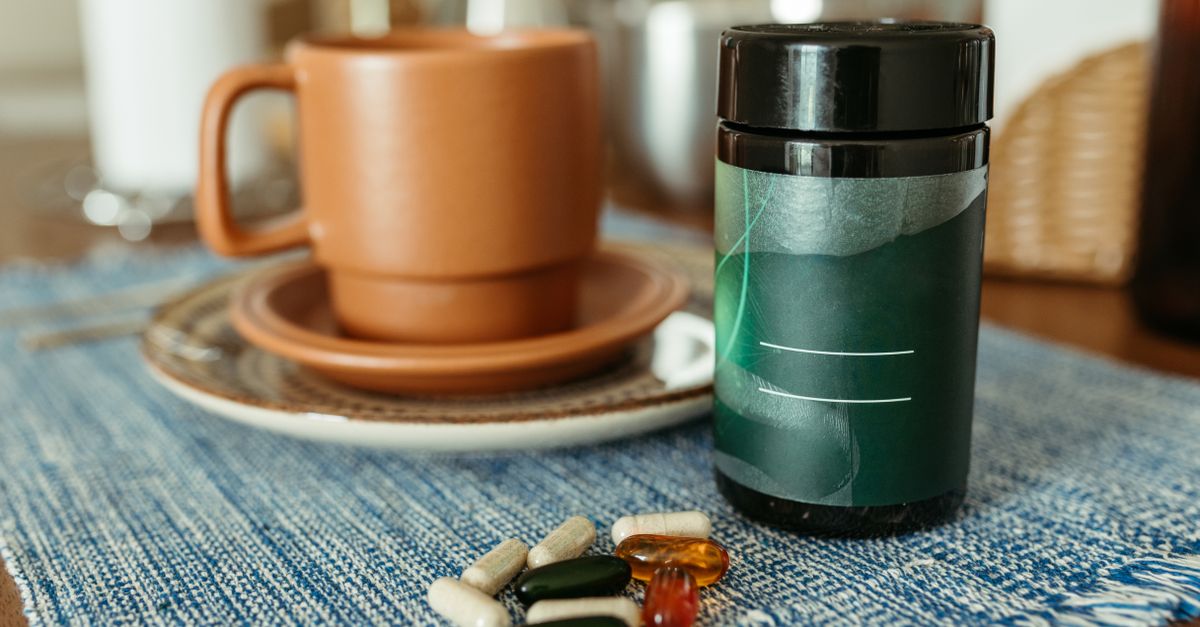
Many adults wonder whether adding supplements will meaningfully extend healthspan, yet the strongest evidence continues to point back to consistent daily food choices.
Food supplements often enter conversations about longevity, but their role remains secondary to the nutrient density and variety found in whole meals. As a Malaysian dietician focused on sustainable eating patterns, the emphasis stays on building plates that deliver fiber, polyphenols, and balanced macronutrients before considering any additional products. Evidence distinguishes established benefits of dietary patterns from emerging data on isolated compounds, underscoring the need for realistic expectations.
Why Whole Meals Come First for Nutrient Intake
Observational studies consistently link Mediterranean-style and traditional Asian vegetable-forward plates with lower BioAge markers through mechanisms such as reduced oxidative stress and improved metabolic flexibility. These patterns supply synergistic compounds that supplements rarely replicate fully, including the fiber matrix that supports gut-derived metabolites linked to longevity pathways.
When Might Supplements Enter the Picture
Certain life stages or dietary patterns, such as limited sun exposure or restricted food variety, may create gaps where a supplement provides targeted support. Clinical observations note that these situations require individualized assessment rather than routine addition, with ongoing uncertainty around long-term outcomes in otherwise well-nourished adults.
More on Food Supplements
Food Supplements
Food Supplements after the Kuala Lumpur brochure: a 2025-10 briefing
From Kuala Lumpur: Dr. Maya Brooks takes food supplements off the brochure and onto a dated briefing (2025-10). Mechanism, evidence grade, who should wait, and what a four-week trial would actually include.
Food Supplements
Food Supplements after the Kuala Lumpur brochure: a 2025-10 briefing
From Kuala Lumpur: Dr. Maya Brooks takes food supplements off the brochure and onto a dated briefing (2025-10). Mechanism, evidence grade, who should wait, and what a four-week trial would actually include.
Food Supplements
Food Supplements after the Kuala Lumpur brochure: a 2025-10 briefing
From Kuala Lumpur: Dr. Maya Brooks takes food supplements off the brochure and onto a dated briefing (2025-10). Mechanism, evidence grade, who should wait, and what a four-week trial would actually include.