Understanding Food Supplements Through a Food-First Lens
Building Nutrient Literacy for Everyday Longevity
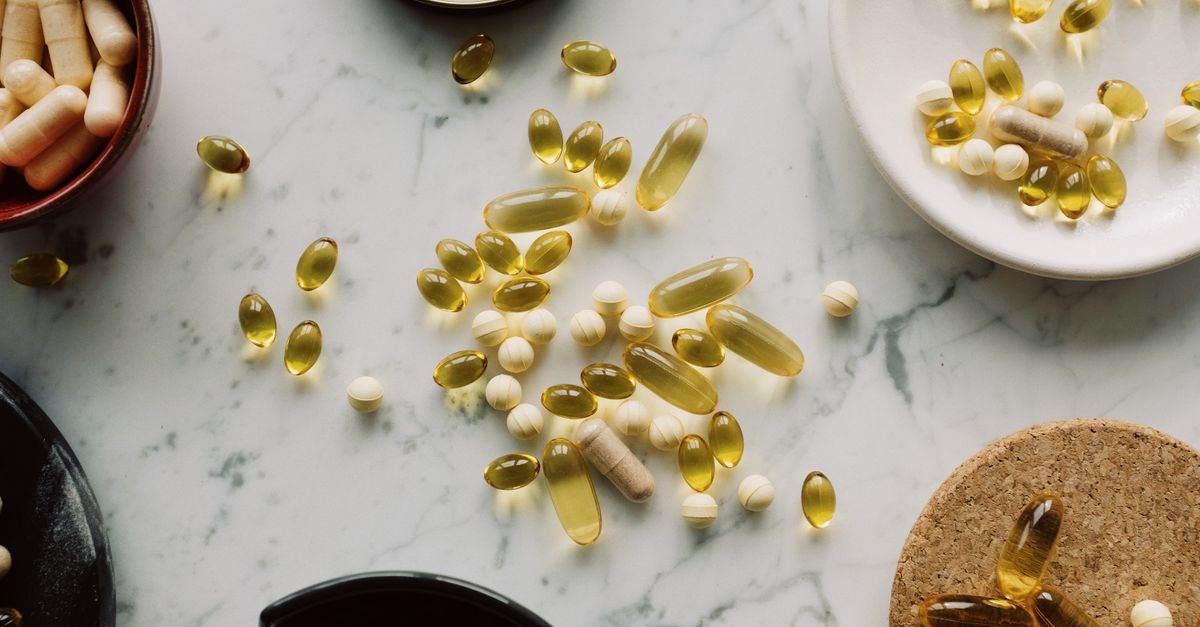
Supplements often spark questions, yet the most reliable path to nutrient support begins with the foods you choose daily.
As a Malaysian dietitian, I see many adults curious about food supplements for longevity. Evidence shows that diverse whole-food patterns like vegetable-rich plates deliver synergistic compounds that isolated supplements cannot fully replicate. This article clarifies supplement literacy without replacing meals, highlighting established dietary patterns while noting where evidence remains emerging.
Why Whole Foods Provide the Stronger Starting Point
Nutrient-dense meals supply fiber, polyphenols, and micronutrients in natural matrices that support absorption and reduce inflammation. Large cohort studies link Mediterranean-style eating to slower BioAge progression through consistent intake of colorful produce, legumes, and healthy fats rather than single-nutrient pills.
Common Questions About Supplement Context
People often ask whether supplements can fill gaps from busy schedules. Observational data suggest they may help in specific shortfalls, yet randomized trials show mixed results when diets are already varied. Always assess current eating patterns first before adding anything.
Building an Anti-Inflammatory Plate Daily
More on Food Supplements
Food Supplements
Food Supplements after the Kuala Lumpur brochure: a 2025-10 briefing
From Kuala Lumpur: Dr. Maya Brooks takes food supplements off the brochure and onto a dated briefing (2025-10). Mechanism, evidence grade, who should wait, and what a four-week trial would actually include.
Food Supplements
Food Supplements after the Kuala Lumpur brochure: a 2025-10 briefing
From Kuala Lumpur: Dr. Maya Brooks takes food supplements off the brochure and onto a dated briefing (2025-10). Mechanism, evidence grade, who should wait, and what a four-week trial would actually include.
Food Supplements
Food Supplements after the Kuala Lumpur brochure: a 2025-10 briefing
From Kuala Lumpur: Dr. Maya Brooks takes food supplements off the brochure and onto a dated briefing (2025-10). Mechanism, evidence grade, who should wait, and what a four-week trial would actually include.