Understanding Food Supplements in Longevity Planning
Educational Context for Preventive Health Decisions
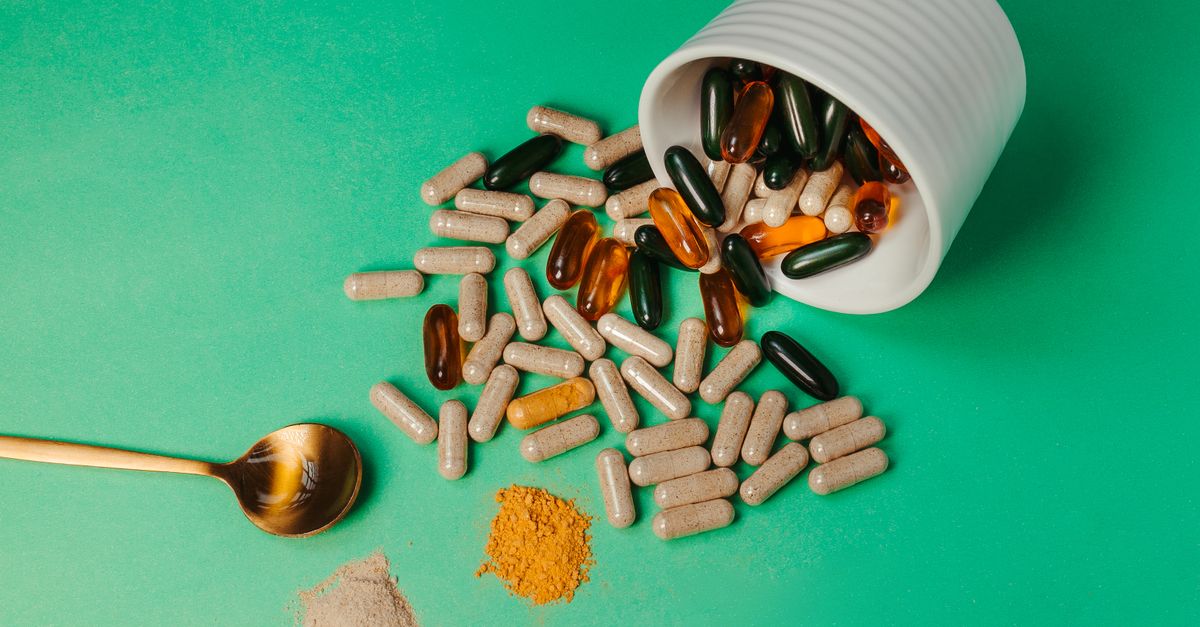
Adults exploring longevity often encounter conflicting information about whether food supplements meaningfully extend healthspan beyond foundational nutrition and exercise.
Food supplements encompass vitamins, minerals, and other compounds derived from or mimicking food sources. Their potential contribution to preventive health involves understanding absorption dynamics, nutrient synergies, and how they interact with overall dietary quality. Evidence varies by compound and population, underscoring the need for individualized assessment rather than generalized recommendations.
In this article
- What Defines Supplement Literacy for Adults?
- How Do Evidence Levels Differ Across Supplement Categories?
- What Practical Questions Arise When Considering Integration?
- When Should Monitoring or Escalation Occur?
What Defines Supplement Literacy for Adults?
Supplement literacy begins with recognizing that these products aim to fill documented dietary gaps rather than replace whole foods. Systems thinking reveals that isolated nutrients rarely operate independently; for instance, fat-soluble vitamins require adequate lipid intake for absorption, while certain minerals compete for transport pathways. Emerging observations link consistent nutrient status tracking to slower BioAge progression in observational cohorts, though causation remains under study.
More on Food Supplements
Food Supplements
Food Supplements after the Kuala Lumpur brochure: a 2025-10 briefing
From Kuala Lumpur: Dr. Maya Brooks takes food supplements off the brochure and onto a dated briefing (2025-10). Mechanism, evidence grade, who should wait, and what a four-week trial would actually include.
Food Supplements
Food Supplements after the Kuala Lumpur brochure: a 2025-10 briefing
From Kuala Lumpur: Dr. Maya Brooks takes food supplements off the brochure and onto a dated briefing (2025-10). Mechanism, evidence grade, who should wait, and what a four-week trial would actually include.
Food Supplements
Food Supplements after the Kuala Lumpur brochure: a 2025-10 briefing
From Kuala Lumpur: Dr. Maya Brooks takes food supplements off the brochure and onto a dated briefing (2025-10). Mechanism, evidence grade, who should wait, and what a four-week trial would actually include.