Understanding Food Supplements for Healthy Ageing
Building Informed Habits Around Nutrition Support
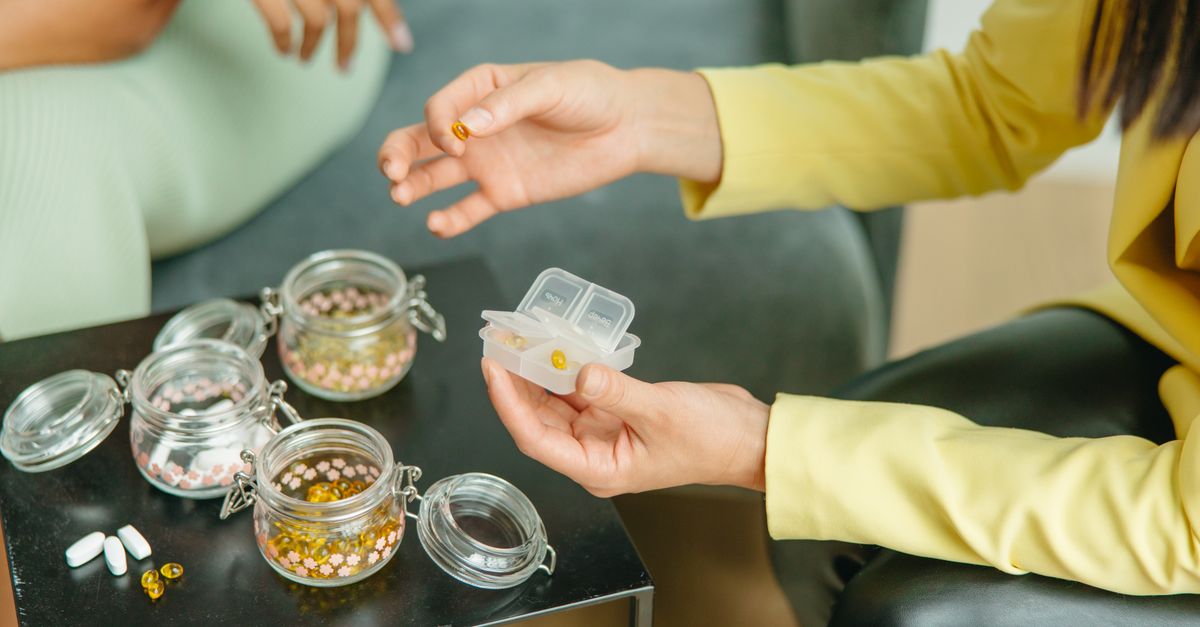
Many adults wonder whether food supplements can genuinely support their long-term health without overcomplicating daily life.
Food supplements can form part of a thoughtful approach to nutrition, yet they work best when viewed through the lens of overall habits rather than quick fixes. This article explores how to build supplement literacy whilst prioritising sleep, stress balance and consistent routines for healthy ageing.
In this article
- Why Focus on Supplement Literacy First?
- Linking Supplements to Sleep and Recovery Habits
- Practical Steps for Habit Formation
- When to Discuss Options with a Clinician
Why Focus on Supplement Literacy First?
Understanding what supplements actually contain and how they fit into your existing diet helps avoid unnecessary purchases. Evidence shows that whole foods remain the foundation, with supplements potentially filling specific gaps identified through professional advice. This literacy supports better decision making around recovery and energy levels over time.
Linking Supplements to Sleep and Recovery Habits
Certain nutrients play roles in supporting restful sleep and post-activity recovery, yet results vary between individuals. Rather than expecting dramatic changes, consider how small consistent habits around evening routines might interact with any chosen supplements. Emerging observations suggest this integrated view yields steadier benefits than isolated use.
More on Food Supplements
Food Supplements
Food Supplements after the Kuala Lumpur brochure: a 2025-10 briefing
From Kuala Lumpur: Dr. Maya Brooks takes food supplements off the brochure and onto a dated briefing (2025-10). Mechanism, evidence grade, who should wait, and what a four-week trial would actually include.
Food Supplements
Food Supplements after the Kuala Lumpur brochure: a 2025-10 briefing
From Kuala Lumpur: Dr. Maya Brooks takes food supplements off the brochure and onto a dated briefing (2025-10). Mechanism, evidence grade, who should wait, and what a four-week trial would actually include.
Food Supplements
Food Supplements after the Kuala Lumpur brochure: a 2025-10 briefing
From Kuala Lumpur: Dr. Maya Brooks takes food supplements off the brochure and onto a dated briefing (2025-10). Mechanism, evidence grade, who should wait, and what a four-week trial would actually include.