Understanding Cellular Health in Healthy Aging
Mechanisms Supporting Resilience and Recovery
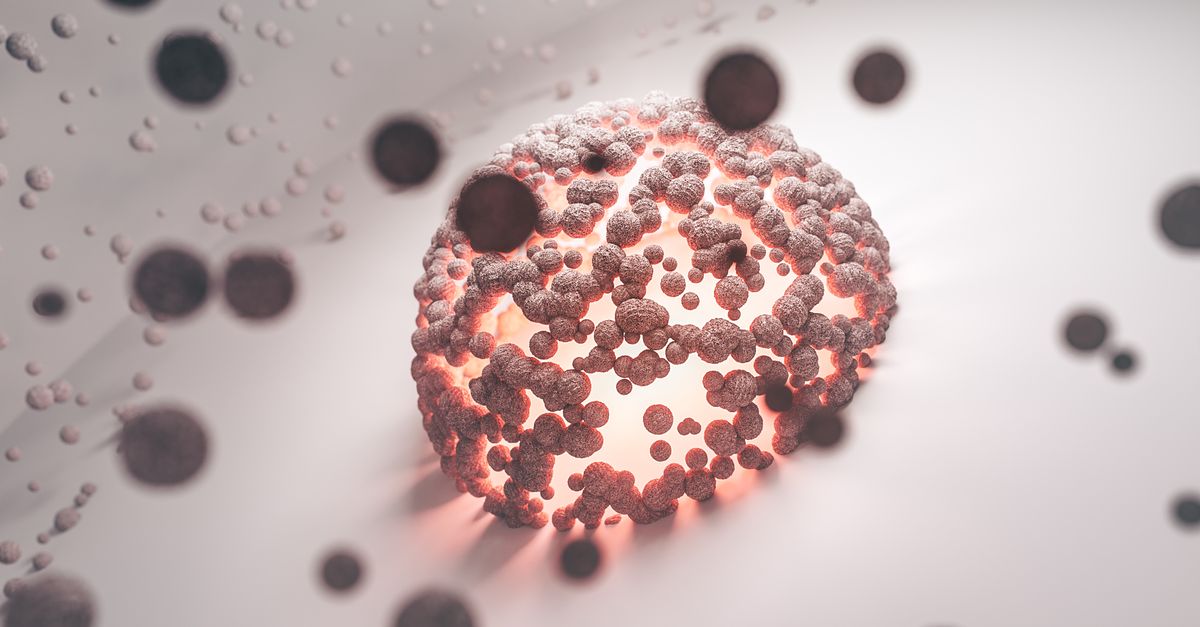
Cellular health forms the foundation for how the body maintains energy, repairs damage, and adapts to daily stressors over decades.
Adults often seek ways to support long-term vitality through lifestyle choices that influence cellular processes. This educational overview examines key mechanisms such as energy metabolism and cellular cleanup pathways, highlighting how these systems interact within broader physiological networks. Evidence ranges from established observations in metabolic research to emerging areas where data remain preliminary, underscoring the value of individualized assessment through shared decision-making with clinicians.
What Shapes Cellular Resilience Over Time?
Cellular resilience depends on integrated functions including mitochondrial efficiency for ATP generation and autophagy for clearing damaged components. Observational studies link consistent physical activity and balanced nutrition to sustained performance in these pathways, though individual responses vary based on genetics and cumulative lifestyle factors. Systems thinking reveals how disruptions in one area, such as chronic metabolic stress, can influence others like inflammatory signaling.
How Do Recovery Processes Change with Age?
Recovery mechanisms at the cellular level, including protein synthesis and oxidative stress management, show gradual shifts in observational data as adults move beyond midlife. Established science supports the role of sleep quality and movement patterns in supporting these functions, while evidence on specific interventions remains mixed and context-dependent. Clinical realism suggests monitoring trends rather than isolated markers when discussing options with a physician.
More on Cellular Health
Cellular Health
Cellular Health after the Singapore brochure: a 2026-04 briefing
From Singapore: Dr. Maya Brooks takes cellular health off the brochure and onto a dated briefing (2026-04). Mechanism, evidence grade, who should wait, and what a four-week trial would actually include.
Cellular Health
Cellular Health after the Abu Dhabi brochure: a 2025-11 briefing
From Abu Dhabi: Dr. Maya Brooks takes cellular health off the brochure and onto a dated briefing (2025-11). Mechanism, evidence grade, who should wait, and what a four-week trial would actually include.
Cellular Health
Cellular Health after the Singapore brochure: a 2026-04 briefing
From Singapore: Dr. Maya Brooks takes cellular health off the brochure and onto a dated briefing (2026-04). Mechanism, evidence grade, who should wait, and what a four-week trial would actually include.