Understanding BioAge Testing for Healthy Aging
Key Biomarkers and Evidence-Based Insights into Biological Aging
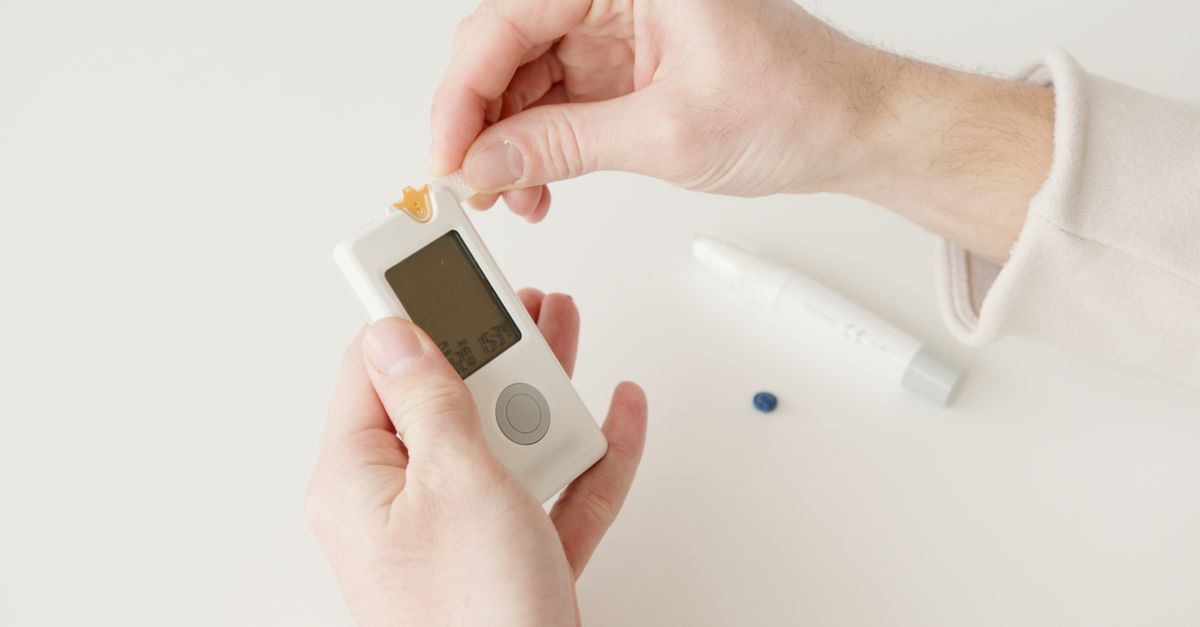
Biological age assessments integrate multiple lab markers to reveal aging patterns that chronological age alone cannot capture.
BioAge refers to estimates of biological aging derived from panels of blood-based and epigenetic markers. These tools help contextualize how lifestyle and physiological factors may influence aging trajectories, though they remain research-oriented and require clinician oversight for any application.
What BioAge Measures and Common Panel Components
BioAge evaluations typically combine epigenetic clocks such as DNA methylation patterns with metabolic indicators including fasting glucose, insulin sensitivity markers, and inflammatory signals like hs-CRP. These elements together provide a composite view rather than relying on any single test, reflecting interconnected systems that influence cellular maintenance over time.
Evidence Levels for BioAge Biomarkers
Established associations exist between certain metabolic markers and age-related outcomes in large cohort studies, while epigenetic clocks show correlations with mortality risk in population data. Emerging evidence links these measures to interventions like exercise, yet longitudinal human trials remain limited and results can vary by assay method and population studied.
More on Bioage
Bioage
After the drip or the retreat: bioage follow-up once you leave London
From London: Amelia Hart takes bioage off the brochure and onto a dated briefing (2026-09). Mechanism, evidence grade, who should wait, and what a four-week trial would actually include.
Bioage
After the drip or the retreat: bioage follow-up once you leave London
From London: Amelia Hart takes bioage off the brochure and onto a dated briefing (2026-09). Mechanism, evidence grade, who should wait, and what a four-week trial would actually include.
Bioage
Abu Dhabi readers: licensed clinic, wellness centre, or grey-market bioage?
From Abu Dhabi: Dr. Samuel Osei takes bioage off the brochure and onto a dated briefing (2026-09). Mechanism, evidence grade, who should wait, and what a four-week trial would actually include.