Understanding BioAge and Healthy Aging Markers
A Practical Guide to Biological Age Assessment
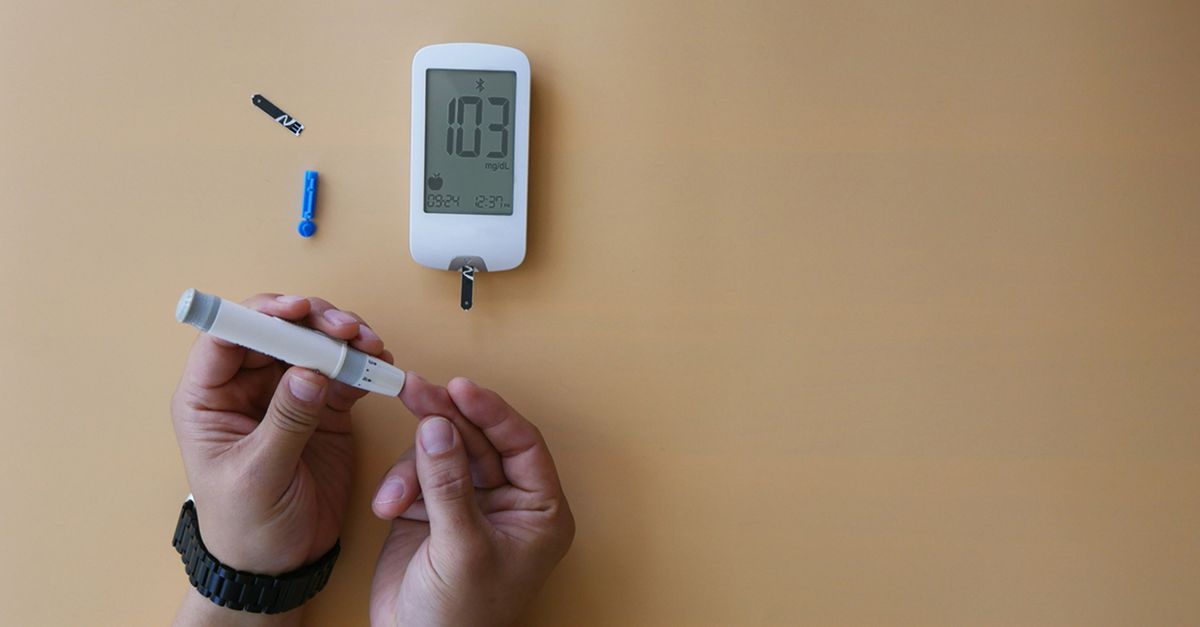
Your calendar age tells only part of the story; BioAge reveals how your daily movement and recovery choices shape long-term health trajectories.
BioAge, as used in physician-led platforms like LetsGo.Health, estimates biological aging through measurable markers such as grip strength, gait speed, and cardiovascular response rather than relying solely on birth year. This approach supports gradual, sustainable progress in strength training and active aging without promising rapid transformations.
How BioAge Differs from Chronological Age
Biological age integrates data from functional tests and biomarkers to show whether lifestyle factors are accelerating or slowing aging processes. Evidence from cohort studies links lower BioAge to consistent moderate exercise, while emerging data on recovery metrics remain less definitive and warrant cautious interpretation.
Key Functional Markers Used in BioAge Assessment
Common markers include handgrip strength, six-minute walk distance, and resting heart rate variability. These reflect integrated systems of muscle, heart, and nervous system health; research shows they predict independence in later decades more reliably than isolated lab values alone.
Strength Training and Cardio for Lowering BioAge
Progressive resistance work two to three times weekly combined with zone-two cardio supports mitochondrial function and vascular health. Trade-offs include time commitment versus diminishing returns beyond moderate volumes, with clinical observations noting better adherence when sessions stay under 45 minutes.
More on Bioage
Bioage
Can bioage earn a place in a London training block this month?
From London: Amelia Hart takes bioage off the brochure and onto a dated briefing (2026-04). Mechanism, evidence grade, who should wait, and what a four-week trial would actually include.
Bioage
Can bioage earn a place in a London training block this month?
From London: Amelia Hart takes bioage off the brochure and onto a dated briefing (2026-04). Mechanism, evidence grade, who should wait, and what a four-week trial would actually include.
Bioage
After the drip or the retreat: bioage follow-up once you leave London
From London: Amelia Hart takes bioage off the brochure and onto a dated briefing (2026-09). Mechanism, evidence grade, who should wait, and what a four-week trial would actually include.