Anti-Inflammatories8/19/202610 min read
Understanding Anti-Inflammatory Lifestyles and Foods
Practical ways to support healthy ageing through daily habits and food choices
Entering LetsGo…
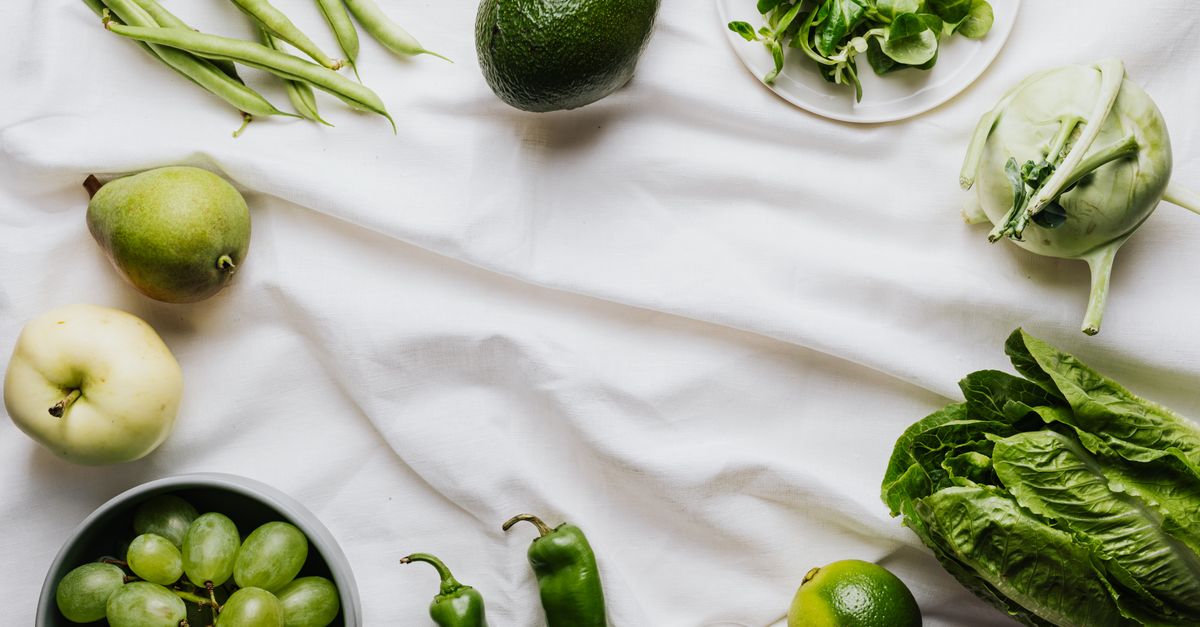
Many adults notice that small, consistent changes in how they eat, rest and move can influence how their body handles everyday wear and tear.
Inflammation is a normal defence response, yet when it stays mildly elevated over years it can affect energy, recovery and long-term wellbeing. Anti-inflammatory lifestyles focus on steady habits rather than quick fixes. This includes choosing foods rich in protective compounds, protecting sleep quality, managing daily stress and building recovery into the week. The aim is not to eliminate inflammation entirely but to keep it within a balanced range that supports resilience. Evidence comes from observational studies, some randomised trials and mechanistic research on pathways such as NF-kB and cytokine balance. Results vary between people, so the emphasis stays on sustainable patterns rather than perfection.
Adults aged 40-65 who want to understand how daily choices around food, rest and stress may influence inflammatory balance. It is not intended for those with diagnosed inflammatory conditions who require personalised medical care.
An anti-inflammatory approach means adopting eating patterns, sleep routines and stress-management habits that research links to steadier inflammatory markers. It centres on whole foods, regular movement, consistent bedtimes and simple recovery practices rather than eliminating entire food groups. It is not a cure, a guaranteed reversal of any condition or a replacement for medical treatment. The focus remains on supporting normal body processes through repeatable daily actions. People sometimes expect dramatic short-term shifts, yet the evidence points to gradual, cumulative effects over months. This framing keeps expectations realistic and encourages steady habit formation instead of restrictive plans.
Inflammation involves signalling molecules such as cytokines and pathways like NF-kB that help the body respond to challenges. When these signals stay mildly active without an acute trigger, they can contribute to slower recovery and tissue changes over time. Foods containing polyphenols and omega-3 fats may dampen some of these signals, while poor sleep and sustained stress can amplify them through cortisol and sympathetic activation. Movement at moderate intensity often supports resolution pathways, and consistent sleep timing helps regulate immune rhythms. The net effect depends on the balance of these inputs across days and weeks rather than any single action. Trade-offs appear when intense exercise without recovery raises temporary markers, showing the need for personalised pacing.
Large observational studies associate Mediterranean and similar plant-forward patterns with lower CRP and IL-6 levels, yet causation is harder to prove because lifestyle factors cluster together. Randomised trials on specific foods or supplements show modest, short-term reductions in markers for some participants, with effect sizes often small and variable. Sleep extension studies in adults with short sleep report improvements in inflammatory measures, though longer trials remain limited. Stress-reduction practices such as mindfulness show mixed results depending on adherence and starting point stress. Overall the evidence is stronger for whole-diet patterns than for isolated nutrients, and many findings come from middle-aged or older cohorts in high-income countries. Uncertainty remains around optimal timing and individual genetic differences.
People experiencing fatigue, joint stiffness or slower recovery that coincides with poor sleep or irregular eating may notice benefits from steady improvements in these areas. Those already following balanced routines may see smaller additional gains. Individuals with active infections, autoimmune diagnoses or recent major illness should consult a clinician before altering diet or exercise substantially. Pregnant people, those on multiple medications or anyone with unexplained weight loss should seek medical review first. The approach suits motivated adults who can track habits over months rather than expecting rapid transformation. It is less suitable for anyone seeking a single intervention to address complex health issues.
Begin with three anchor habits: a consistent bedtime window of eight hours, one additional serving of vegetables or fruit at two meals daily, and a ten-minute wind-down routine before sleep. On four days include a 30-minute walk at conversational pace, and on two days add gentle strength movements using body weight. Prepare simple meals built around vegetables, pulses, whole grains and oily fish or nuts twice weekly. Track adherence with a simple tick list rather than apps to keep friction low. Adjust portion sizes and timing based on energy and digestion rather than rigid rules. Review the week each Sunday and note one small change for the next seven days, such as moving the evening meal earlier or adding a short daytime pause. This builds behaviour change through repetition instead of willpower.
Higher-quality produce and fish can increase weekly food costs, though pulses, seasonal vegetables and frozen options reduce the gap. Time for meal preparation competes with other demands, so batch cooking and simple recipes help. A common mistake is attempting too many changes at once, which often leads to short-term adherence followed by reversion. Another is focusing only on food while neglecting sleep consistency, which limits overall impact. Access to green space for walking varies by location, yet indoor alternatives such as stair climbing or body-weight routines work similarly. The main trade-off is slower visible progress compared with restrictive diets that promise quick results, yet the sustainable pattern tends to last longer. Monitoring costs stay low when using habit logs rather than frequent blood tests.
Use simple weekly measures such as sleep duration and quality rated on a 1-10 scale, energy levels mid-afternoon, and how easily daily movement feels. Note joint comfort or digestion on the same scale once a week. These subjective markers often shift before any lab values and require no extra cost. If choosing tests, discuss CRP or full blood count with a clinician at intervals of several months rather than weeks. Avoid chasing every new marker promoted online. When subjective scores improve alongside steady habits, that provides useful feedback. If scores worsen despite consistent effort for eight weeks, or new symptoms appear, arrange a clinical review rather than adjusting independently.
One myth is that any single superfood can meaningfully lower inflammation on its own; the data support patterns over isolates. Another is that complete avoidance of inflammatory foods is necessary or possible; moderate inclusion within an overall balanced pattern shows similar outcomes in studies. Questions remain about the best combination of exercise intensity and recovery for different ages, and how genetic variations affect responses to omega-3 intake. Evidence for specific supplements remains thinner than for food patterns, with many trials short and industry-funded. Long-term randomised data on combined lifestyle interventions are still emerging. These gaps mean recommendations stay general and emphasise personal experimentation within safe limits.
Anti-inflammatory habits sit alongside sleep optimisation, strength maintenance and social connection as core elements of a longevity approach. They support recovery capacity, which in turn allows consistent training and cognitive function. Within LetsGo.Health frameworks they contribute to BioAge trajectory by addressing one modifiable input among several. Integration works best when changes are sequenced rather than simultaneous, starting with sleep and stress before layering dietary shifts. Regular coaching conversations can help refine the plan as energy, preferences and life circumstances evolve. The emphasis remains on compounding small advantages over years rather than seeking dramatic single-year shifts.
Some people report feeling different within a few weeks of improving sleep and adding more vegetables, yet measurable shifts in blood markers usually take longer and vary widely. The evidence supports gradual rather than rapid change. Consistency matters more than speed.
Most evidence centres on whole-food patterns rather than supplements. Some individuals may discuss specific nutrients with a clinician if diet alone appears insufficient, but routine supplementation is not required for everyone. Focus first on food and lifestyle habits.
Short or fragmented sleep can raise inflammatory signalling through hormonal and immune pathways. Improving sleep timing and duration often corresponds with steadier markers in studies. Protecting the sleep window is therefore a practical starting point for many adults.
Anyone with diagnosed conditions should speak with their clinician before making dietary or exercise changes. The information here is educational and does not replace personalised medical advice. Safety comes first when health issues are present.
This content provides general educational information only. It does not constitute medical advice, diagnosis or treatment. Anyone considering changes to diet, exercise or sleep should consult a qualified healthcare professional, especially if they have existing health conditions or take medication.
LetsGo.Health and its contributors provide information for educational purposes. No content guarantees outcomes or replaces personalised clinical care. Evidence in this area continues to evolve and individual responses differ.
Building anti-inflammatory habits through steady attention to food, sleep and stress offers a practical route to supporting healthy ageing. Progress comes from repeated small actions rather than dramatic overhauls. Track simple markers, adjust gently and involve a clinician when needed. Over months these patterns can contribute to feeling more resilient and maintaining function.
Anti-Inflammatories
From London: Amelia Hart takes anti-inflammatories off the brochure and onto a dated briefing (2026-01). Mechanism, evidence grade, who should wait, and what a four-week trial would actually include.
Anti-Inflammatories
From London: Amelia Hart takes anti-inflammatories off the brochure and onto a dated briefing (2026-01). Mechanism, evidence grade, who should wait, and what a four-week trial would actually include.
Anti-Inflammatories
From London: Amelia Hart takes anti-inflammatories off the brochure and onto a dated briefing (2026-01). Mechanism, evidence grade, who should wait, and what a four-week trial would actually include.