Supporting Anti-Inflammatory Habits in Daily Life
Practical Steps for Everyday Wellness
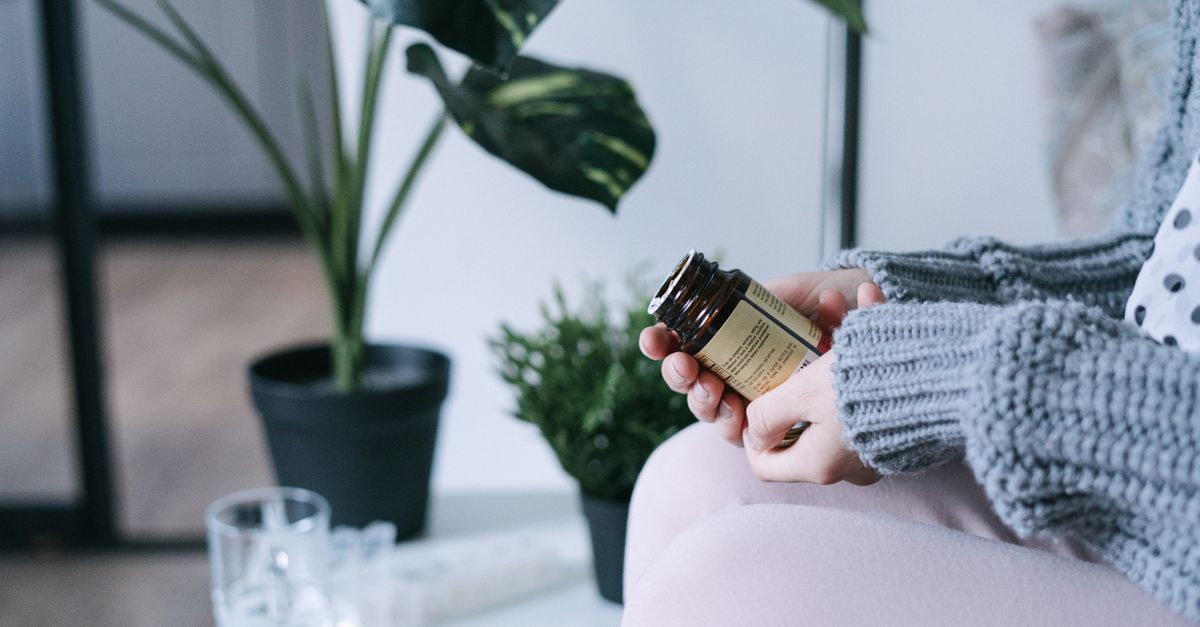
Small consistent changes to your routines can make a meaningful difference to how your body handles everyday stresses.
Many adults in their forties and beyond look for gentle ways to support their health as they age. An anti-inflammatory approach focuses on lifestyle patterns rather than quick fixes, drawing on established links between sleep quality, stress management and certain food choices. Evidence suggests these habits may help maintain balance, though individual results vary and research continues to evolve.
Which Everyday Foods Might Support Lower Inflammation?
Colourful vegetables, berries, oily fish and nuts appear in many studies examining inflammatory markers. Rather than focusing on single items, consider building meals around whole foods you enjoy. Evidence remains stronger for overall dietary patterns than isolated ingredients, and personal tolerance matters greatly.
How Can Better Sleep Routines Help?
Consistent bedtimes and wind-down habits support recovery processes that may influence inflammation. Research links poor sleep with higher inflammatory signals, yet the relationship is bidirectional. Simple steps like dimming lights earlier or keeping the bedroom cool often prove more sustainable than dramatic overhauls.
What Role Does Stress Balance Play?
Chronic stress can keep inflammatory pathways active. Gentle practices such as short walks, breathing exercises or time in nature show promise in observational data. One non-obvious synthesis is pairing stress reduction with movement, as both may reinforce each other through improved recovery and habit formation.
More on Anti-Inflammatories
Anti-Inflammatories
Five questions to ask in London before you book anti-inflammatories
From London: Amelia Hart takes anti-inflammatories off the brochure and onto a dated briefing (2026-01). Mechanism, evidence grade, who should wait, and what a four-week trial would actually include.
Anti-Inflammatories
Five questions to ask in London before you book anti-inflammatories
From London: Amelia Hart takes anti-inflammatories off the brochure and onto a dated briefing (2026-01). Mechanism, evidence grade, who should wait, and what a four-week trial would actually include.
Anti-Inflammatories
What London menus actually sell when they say "Anti-Inflammatories"
From London: Amelia Hart takes anti-inflammatories off the brochure and onto a dated briefing (2026-01). Mechanism, evidence grade, who should wait, and what a four-week trial would actually include.