Supporting an Anti-Inflammatory Lifestyle Through Daily Habits
Practical Steps for Everyday Wellness
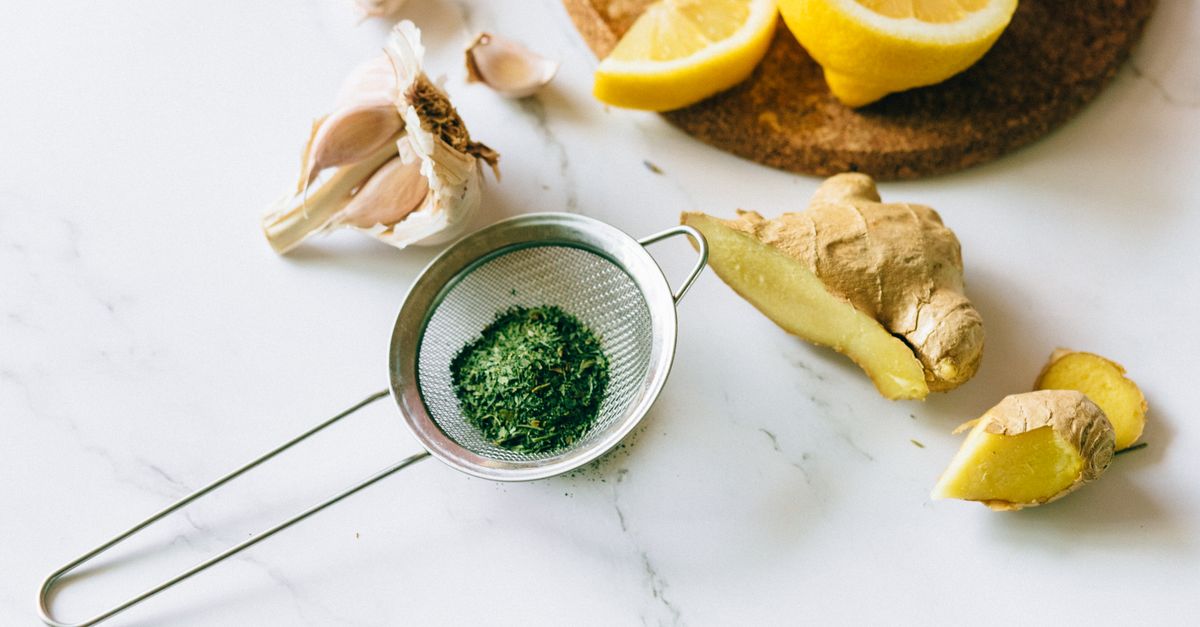
Small, steady adjustments to how we eat, rest and manage daily pressures can make a meaningful difference to how we feel over the years.
Many adults in the UK seek straightforward ways to support their long-term health without complicated regimens. An anti-inflammatory lifestyle focuses on everyday patterns rather than quick fixes, drawing on established links between nutrition, recovery and behaviour change. This article explores practical steps grounded in current understanding while noting where evidence remains emerging.
In this article
- What might anti-inflammatory eating involve in practice?
- How can sleep routines influence inflammation?
- What role does stress balance play alongside food and sleep?
- How do we build these habits sustainably?
What might anti-inflammatory eating involve in practice?
Rather than strict lists, consider including a variety of colourful vegetables, oily fish, nuts and whole grains in regular meals. These foods provide compounds that research associates with supporting normal inflammatory responses. Evidence here is reasonably established for general health benefits, though individual responses vary and no single food guarantees outcomes.
More on Anti-Inflammatories
Anti-Inflammatories
Five questions to ask in London before you book anti-inflammatories
From London: Amelia Hart takes anti-inflammatories off the brochure and onto a dated briefing (2026-01). Mechanism, evidence grade, who should wait, and what a four-week trial would actually include.
Anti-Inflammatories
Five questions to ask in London before you book anti-inflammatories
From London: Amelia Hart takes anti-inflammatories off the brochure and onto a dated briefing (2026-01). Mechanism, evidence grade, who should wait, and what a four-week trial would actually include.
Anti-Inflammatories
What London menus actually sell when they say "Anti-Inflammatories"
From London: Amelia Hart takes anti-inflammatories off the brochure and onto a dated briefing (2026-01). Mechanism, evidence grade, who should wait, and what a four-week trial would actually include.