Supporting a Less Inflammatory Lifestyle Through Daily Habits
Practical ways to build routines around sleep, food and stress balance
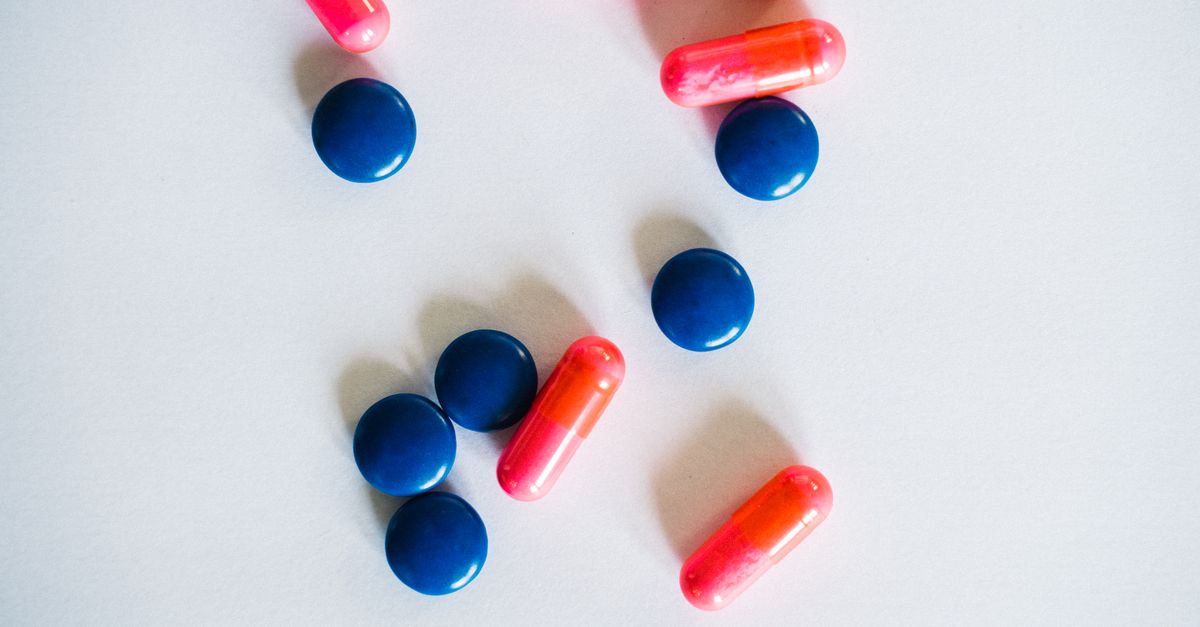
Small daily choices around rest and nourishment can quietly influence how your body handles everyday wear and tear.
Many people in their forties and beyond wonder whether simple lifestyle shifts might ease the low-level inflammation that often builds with age. Whilst no single habit offers a cure, evidence suggests that steady routines around sleep, food choices and stress management can support overall recovery and resilience.
In this article
- What does inflammation mean for daily life?
- How can sleep routines support recovery?
- Which everyday foods might fit an anti-inflammatory pattern?
- What about stress balance and movement?
What does inflammation mean for daily life?
Low-grade inflammation is a natural response that can become more noticeable over time. Rather than focusing on quick fixes, consider how consistent habits might help your body maintain balance. This approach draws on both established research and emerging observations about lifestyle factors.
How can sleep routines support recovery?
Regular bedtimes and wind-down practices appear linked to better inflammatory markers in several studies. A non-obvious connection is that steady sleep timing may also improve food choices the next day, creating a helpful loop between rest and nutrition.
More on Anti-Inflammatories
Anti-Inflammatories
Five questions to ask in London before you book anti-inflammatories
From London: Amelia Hart takes anti-inflammatories off the brochure and onto a dated briefing (2026-01). Mechanism, evidence grade, who should wait, and what a four-week trial would actually include.
Anti-Inflammatories
Five questions to ask in London before you book anti-inflammatories
From London: Amelia Hart takes anti-inflammatories off the brochure and onto a dated briefing (2026-01). Mechanism, evidence grade, who should wait, and what a four-week trial would actually include.
Anti-Inflammatories
What London menus actually sell when they say "Anti-Inflammatories"
From London: Amelia Hart takes anti-inflammatories off the brochure and onto a dated briefing (2026-01). Mechanism, evidence grade, who should wait, and what a four-week trial would actually include.