Stem Cells and Exosomes in Aging Research
Nuanced Perspectives on Emerging Cellular Approaches
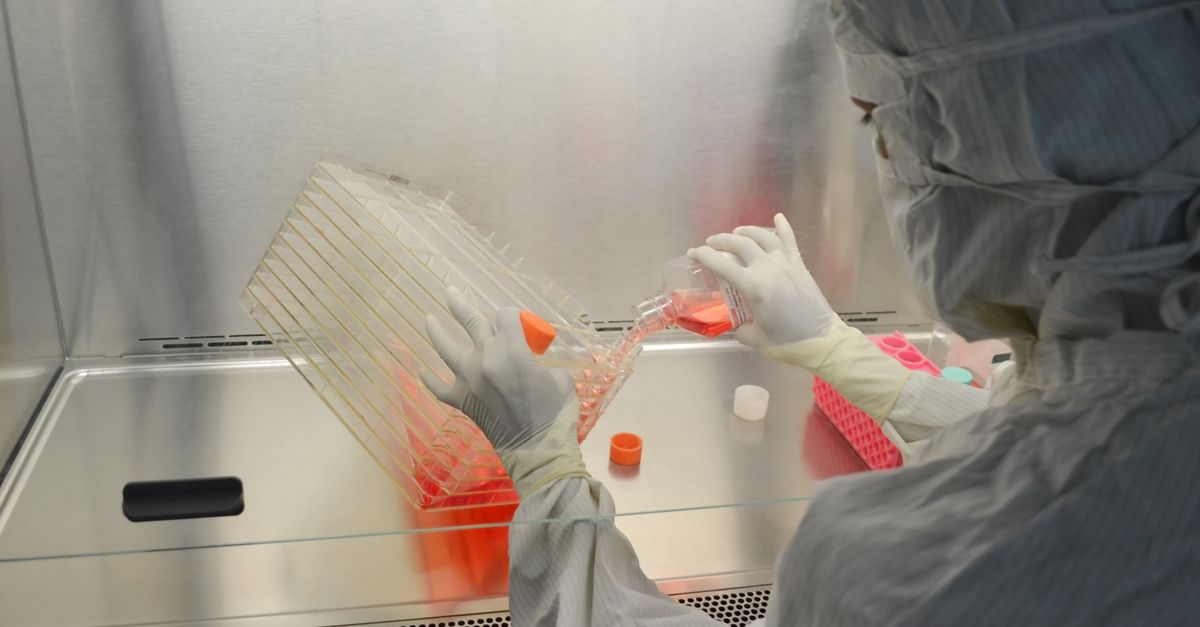
Cellular communication and regeneration mechanisms continue to intrigue researchers exploring pathways that may influence the aging process.
Stem cells and exosomes represent areas of active investigation in biological aging, yet their precise roles and potential applications remain subjects of ongoing study with notable gaps in long-term human data. This article synthesizes available evidence while underscoring the need for cautious interpretation and expert oversight.
In this article
- Stem Cells and Age-Related Biological Changes
- Exosomes as Mediators of Cellular Signaling
- Current Evidence Landscape and Uncertainties
- Contextual Relevance for Wellness Readers
Stem Cells and Age-Related Biological Changes
Research indicates that stem cell function may decline with advancing age, potentially contributing to reduced tissue repair capacity. However, the extent to which interventions targeting these cells could meaningfully alter human aging trajectories is not yet established, and studies often involve animal models or limited clinical cohorts.
Exosomes as Mediators of Cellular Signaling
More on Stem Cells & Exosomes
Stem Cells & Exosomes
Stem Cells and Exosomes in Longevity Research
This article examines the roles of stem cells and exosomes in longevity research, highlighting both promising findings and significant uncertainties that warrant cautious interpretation.
Stem Cells & Exosomes
Stem Cells and Exosomes in Healthy Aging Research
Current studies explore how stem cells and exosomes may influence cellular repair processes, though human data remain limited and outcomes vary widely.
Stem Cells & Exosomes
Stem Cells and Exosomes in Healthy Aging Research
Examining the biological roles of stem cells and exosomes in aging, highlighting current evidence limitations and thoughtful considerations for adults exploring longevity strategies.