Red Light Saunas for Recovery
Combining Heat and Light for Sustainable Wellness
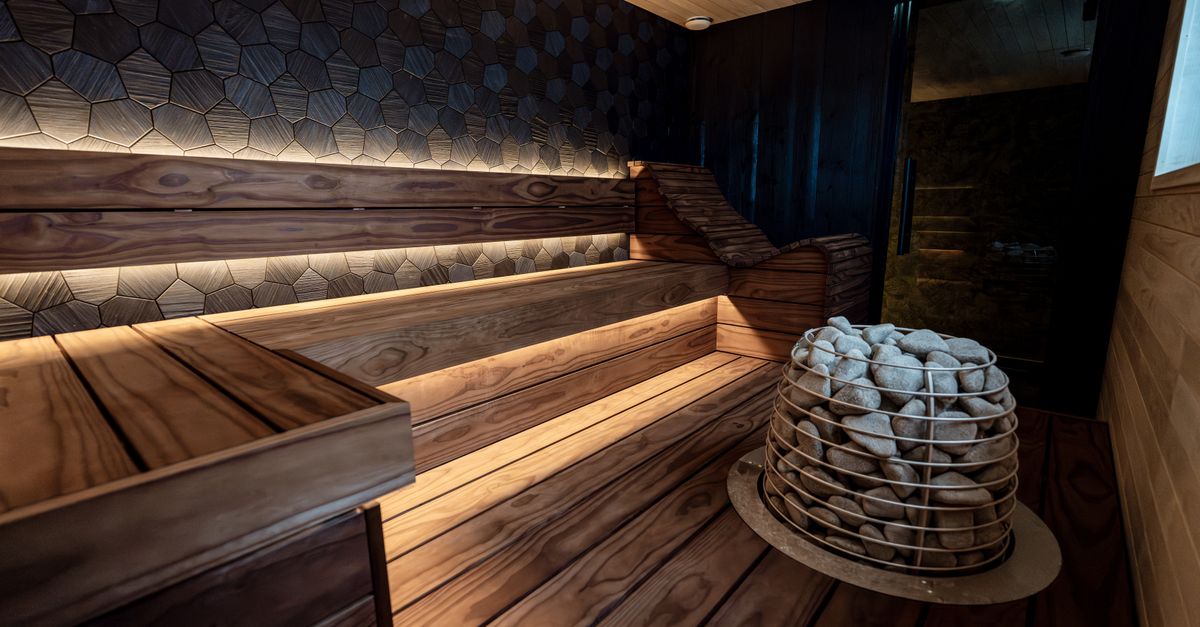
Urban adults balancing work and training often seek measured ways to support recovery without overhauling their schedules.
Red light saunas combine traditional heat exposure with red and near-infrared light, targeting potential improvements in circulation and cellular energy production. Evidence remains mixed between established sauna effects and emerging photobiomodulation data, requiring realistic expectations for long-term consistency.
In this article
- What Mechanisms Link Heat and Light to Recovery?
- What Does Evidence Indicate for Performance Longevity?
- How to Integrate Red Light Saunas Into Weekly Habits?
- When Should Users Reassess Their Approach?
What Mechanisms Link Heat and Light to Recovery?
Infrared heat raises core temperature to promote blood flow and relaxation, while red light may stimulate mitochondrial activity in cells. This dual approach could influence inflammation markers, though human trials show variable results depending on wavelength, duration, and individual factors like age and training load.
What Does Evidence Indicate for Performance Longevity?
Established research supports sauna use for cardiovascular markers, yet red light additions represent emerging evidence with limited large-scale studies in healthy populations. Clinical observations suggest modest benefits for perceived soreness when used regularly, but diminishing returns appear beyond moderate weekly exposure.
More on Red Light Sauna
Red Light Sauna
Red Light Sauna Integration for Sustainable Wellness Routines
Exploring how combining red light elements with sauna sessions can fit into balanced daily routines for better recovery and energy management in modern lifestyles.
Red Light Sauna
Red Light Sauna for Recovery and Long-Term Fitness Consistency
Red light saunas merge infrared heat with photobiomodulation to potentially support post-exercise recovery and mobility maintenance, with emerging but limited human data on longevity markers.
Red Light Sauna
Red Light Sauna Routines for Recovery and Energy Management
Red light saunas pair targeted light wavelengths with heat exposure, creating a recovery option that some adults incorporate into routines focused on energy balance and travel demands.