Red Light Sauna Routines for Recovery Support
Practical Integration in Middle East Wellness Lifestyles
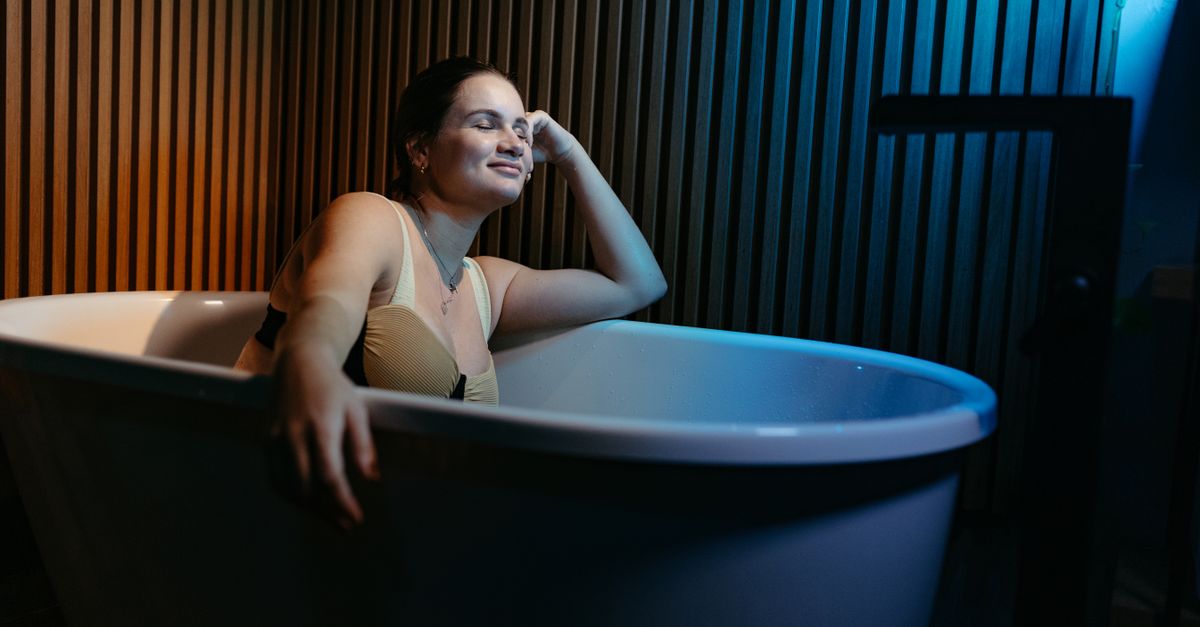
Adults managing high-agency lives often explore measured ways to support recovery without relying on unproven extremes.
Red light saunas represent an emerging intersection of heat exposure and photobiomodulation that some incorporate into broader lifestyle planning. Evidence remains limited on direct longevity effects, yet the approach aligns with routine design principles that emphasize consistency over intensity. This article examines environmental and scheduling considerations for those in warmer climates seeking practical additions to their weekly patterns.
In this article
- What Does a Red Light Sauna Session Typically Include?
- How Might Red Light Saunas Fit Into Existing Recovery Patterns?
- What Environmental Factors Matter Most in Hot Climates?
- When Should Someone Review Their Approach With a Clinician?
What Does a Red Light Sauna Session Typically Include?
Sessions usually combine moderate infrared heat with red or near-infrared light panels in a controlled cabin setting. Users often remain for 15 to 30 minutes while maintaining hydration and monitoring personal comfort levels. The combination aims to create a recovery-focused environment rather than a therapeutic intervention.
More on Red Light Sauna
Red Light Sauna
Red Light Sauna Integration for Sustainable Wellness Routines
Exploring how combining red light elements with sauna sessions can fit into balanced daily routines for better recovery and energy management in modern lifestyles.
Red Light Sauna
Red Light Sauna for Recovery and Long-Term Fitness Consistency
Red light saunas merge infrared heat with photobiomodulation to potentially support post-exercise recovery and mobility maintenance, with emerging but limited human data on longevity markers.
Red Light Sauna
Red Light Sauna Routines for Recovery and Energy Management
Red light saunas pair targeted light wavelengths with heat exposure, creating a recovery option that some adults incorporate into routines focused on energy balance and travel demands.