Red Light Sauna: Practical Considerations for Recovery Routines
Integrating Heat and Light Exposure Into Sustainable Wellness Plans
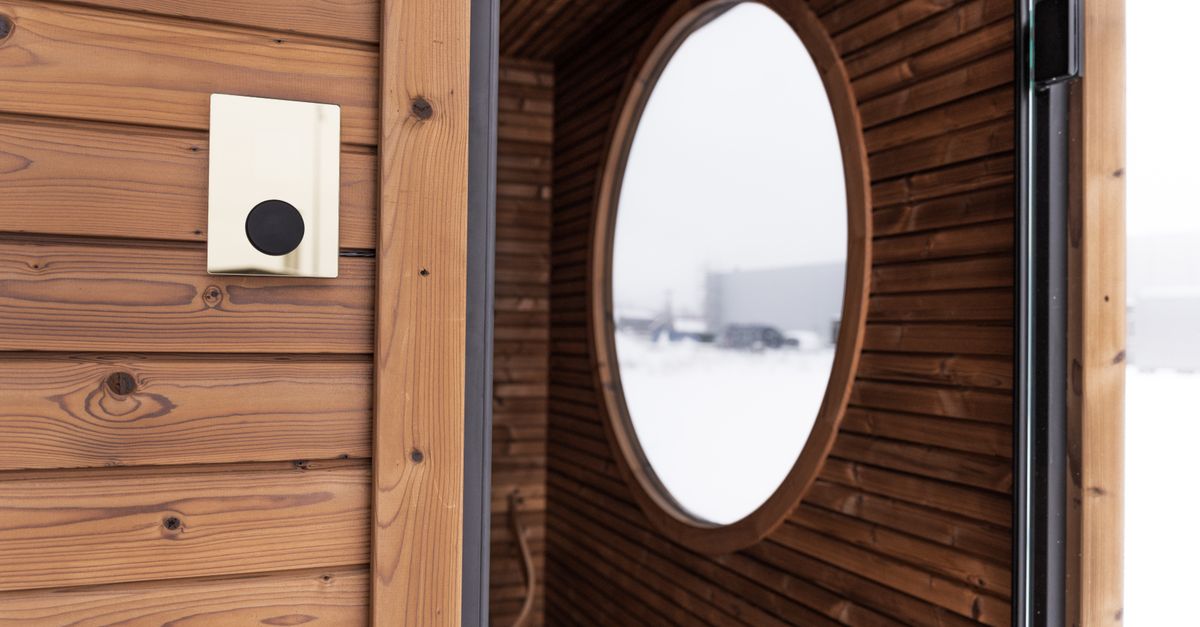
Professionals seeking steady energy often examine red light saunas as one element within broader recovery environments rather than standalone solutions.
Red light saunas merge traditional heat exposure with targeted light wavelengths in controlled settings. This combination appears in hospitality and home wellness spaces, prompting questions about how such sessions might fit into repeatable daily or weekly patterns for adults managing demanding schedules.
In this article
- What Defines a Red Light Sauna Session?
- How Might Sessions Support Routine Recovery?
- Designing Integration With Travel and Daily Life
- When Evidence Remains Limited
What Defines a Red Light Sauna Session?
These environments typically maintain temperatures between 45 and 60 degrees Celsius while delivering near-infrared or red spectrum light. Session length commonly ranges from 15 to 30 minutes, with users noting sensations of warmth and relaxation that may influence perceived recovery without guaranteed physiological outcomes.
How Might Sessions Support Routine Recovery?
Limited human studies suggest possible effects on circulation and subjective relaxation after repeated use. Evidence remains emerging rather than established, so individuals often track personal responses such as sleep quality or next-day energy through simple journaling instead of relying on broad claims.
More on Red Light Sauna
Red Light Sauna
Red Light Sauna Integration for Sustainable Wellness Routines
Exploring how combining red light elements with sauna sessions can fit into balanced daily routines for better recovery and energy management in modern lifestyles.
Red Light Sauna
Red Light Sauna for Recovery and Long-Term Fitness Consistency
Red light saunas merge infrared heat with photobiomodulation to potentially support post-exercise recovery and mobility maintenance, with emerging but limited human data on longevity markers.
Red Light Sauna
Red Light Sauna Routines for Recovery and Energy Management
Red light saunas pair targeted light wavelengths with heat exposure, creating a recovery option that some adults incorporate into routines focused on energy balance and travel demands.