How Everyday Meal Choices Support Longevity
A Food-First Approach to Balanced Eating Patterns
LetsGo Care Editorial
How Everyday Meal Choices Support Longevity
Small, consistent adjustments to daily meals can influence how the body handles inflammation and energy over decades.
Focusing on food patterns rather than isolated nutrients offers a grounded way to support long-term health. Evidence from population studies links varied vegetable intake and balanced macronutrients with better aging markers, though individual responses vary and more research continues on specific mechanisms.
What Makes a Plate Supportive of Long-Term Wellness?
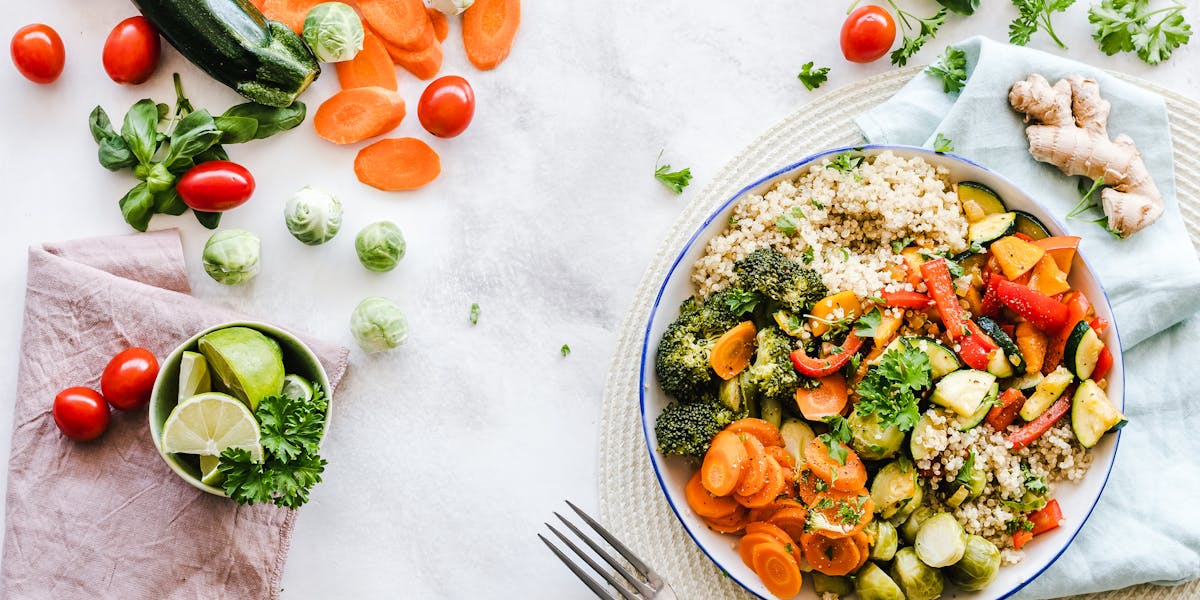
Prioritizing vegetables, legumes, whole grains, and healthy fats at most meals provides fiber and polyphenols that may help modulate inflammation. Observational data associates these patterns with lower rates of age-related decline, though causation requires further study in diverse groups.
How Can Meal Timing and Variety Fit Busy Schedules?
Spreading protein and produce across three meals supports steady energy without rigid rules. Malaysian-style dishes like stir-fried greens with fish and rice demonstrate accessible ways to combine anti-inflammatory ingredients while keeping preparation simple and culturally familiar.
When Should Someone Review Their Eating Patterns With a Professional?
If energy levels shift noticeably or digestion changes, tracking meals for two weeks can reveal patterns worth discussing. Clinical observation suggests early input helps tailor approaches before issues compound, especially around age 40-65 when metabolic flexibility may begin to shift.
More on Diet
Diet
Blue Zone branding is now a travel product — a Chennai reader's briefing
From Chennai: Clara Mendes takes diet off the brochure and onto a dated briefing (2026-03). Mechanism, evidence grade, who should wait, and what a four-week trial would actually include.
Diet
Diet after the Kuala Lumpur brochure: a 2026-01 briefing
From Kuala Lumpur: Clara Mendes takes diet off the brochure and onto a dated briefing (2026-01). Mechanism, evidence grade, who should wait, and what a four-week trial would actually include.
Diet
Diet after the Kuala Lumpur brochure: a 2026-01 briefing
From Kuala Lumpur: Clara Mendes takes diet off the brochure and onto a dated briefing (2026-01). Mechanism, evidence grade, who should wait, and what a four-week trial would actually include.