Food Supplements: What to Consider for Everyday Health
Building Informed Habits Around Nutrition and Recovery
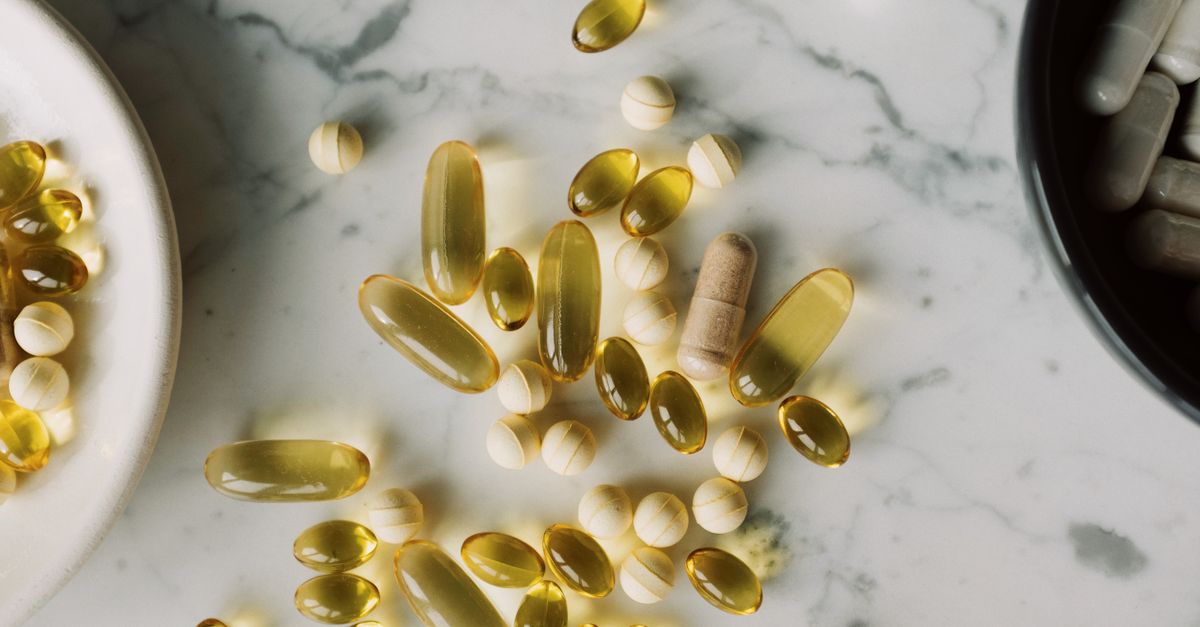
Many adults wonder whether food supplements can support their long-term health alongside everyday routines like sleep and movement.
Food supplements are a common topic in conversations about longevity and daily wellbeing. Rather than promising quick fixes, it helps to view them as one small part of a wider picture that includes consistent sleep routines, stress management and nourishing meals. This article offers practical context to help you think clearly about where supplements might fit, if at all, into your own habits.
In this article
- Why People Explore Supplements
- Linking Supplements to Daily Habits
- Understanding Evidence and Uncertainty
- Integrating with Sleep and Stress Balance
Why People Explore Supplements
People often look to supplements when they notice gaps in energy, recovery or resilience. Evidence for many common options remains mixed, with stronger data for certain nutrients in specific populations and weaker or emerging findings for others. It is useful to separate established science from areas still under study.
Linking Supplements to Daily Habits
Sustainable change usually comes from small, repeatable actions rather than isolated products. Pairing any supplement consideration with existing routines, such as taking it alongside an evening wind-down or morning movement, can improve consistency without adding complexity.
More on Food Supplements
Food Supplements
Food Supplements after the Kuala Lumpur brochure: a 2025-10 briefing
From Kuala Lumpur: Dr. Maya Brooks takes food supplements off the brochure and onto a dated briefing (2025-10). Mechanism, evidence grade, who should wait, and what a four-week trial would actually include.
Food Supplements
Food Supplements after the Kuala Lumpur brochure: a 2025-10 briefing
From Kuala Lumpur: Dr. Maya Brooks takes food supplements off the brochure and onto a dated briefing (2025-10). Mechanism, evidence grade, who should wait, and what a four-week trial would actually include.
Food Supplements
Food Supplements after the Kuala Lumpur brochure: a 2025-10 briefing
From Kuala Lumpur: Dr. Maya Brooks takes food supplements off the brochure and onto a dated briefing (2025-10). Mechanism, evidence grade, who should wait, and what a four-week trial would actually include.