Food Supplements: Making Sense of Them for Daily Wellbeing
A Practical Look at Supporting Your Longevity Habits
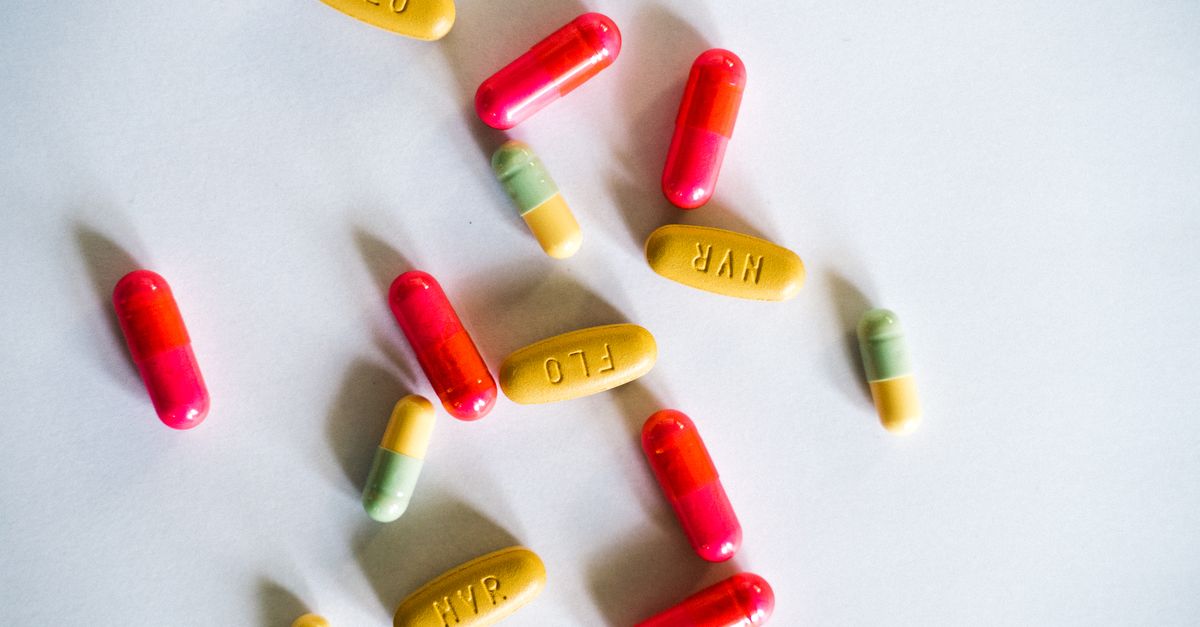
Many people wonder whether food supplements can genuinely support their long term health without overcomplicating daily life.
Food supplements sit at the intersection of nutrition and habit building, yet their role remains widely misunderstood. This article offers a calm, evidence aware overview to help you decide how they might fit into routines around sleep, stress balance and recovery, always prioritising whole food foundations first.
What Are Food Supplements and When Might They Be Considered?
Food supplements provide concentrated nutrients that can fill gaps when diet alone falls short due to lifestyle demands or absorption changes with age. Evidence shows mixed results depending on individual starting point nutrition, with stronger support for certain nutrients in specific populations such as older adults with limited sun exposure. The key is viewing them as additions rather than replacements for balanced meals.
How Do Supplements Relate to Sleep and Recovery Routines?
Some nutrients play supporting roles in circadian regulation and tissue repair, yet results vary widely between people. Emerging observations suggest consistent evening wind down habits often deliver more reliable benefits than isolated supplements. Tracking sleep quality over several weeks before and after any change can reveal personal patterns without assuming causation.
More on Food Supplements
Food Supplements
Food Supplements after the Kuala Lumpur brochure: a 2025-10 briefing
From Kuala Lumpur: Dr. Maya Brooks takes food supplements off the brochure and onto a dated briefing (2025-10). Mechanism, evidence grade, who should wait, and what a four-week trial would actually include.
Food Supplements
Food Supplements after the Kuala Lumpur brochure: a 2025-10 briefing
From Kuala Lumpur: Dr. Maya Brooks takes food supplements off the brochure and onto a dated briefing (2025-10). Mechanism, evidence grade, who should wait, and what a four-week trial would actually include.
Food Supplements
Food Supplements after the Kuala Lumpur brochure: a 2025-10 briefing
From Kuala Lumpur: Dr. Maya Brooks takes food supplements off the brochure and onto a dated briefing (2025-10). Mechanism, evidence grade, who should wait, and what a four-week trial would actually include.