Food Supplements in Longevity Diets: Meals First
A Dietician's Practical Guide
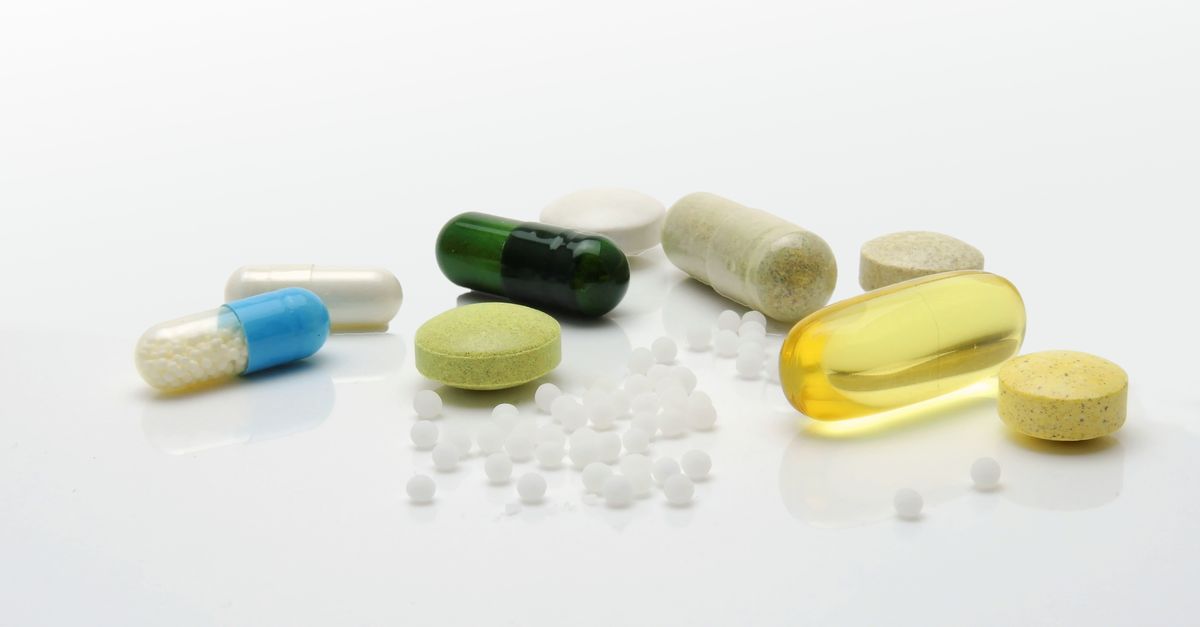
Supplements can seem like a quick fix for health goals, yet the most reliable path to longevity begins with consistent, nourishing meals built around whole foods.
As a Malaysian dietician, I often meet people exploring food supplements for longevity. The evidence consistently points to whole foods providing synergistic nutrients, fiber, and compounds that work together in ways isolated supplements rarely match. Starting with balanced meals rich in vegetables, fruits, spices, and proteins creates a stronger daily foundation before considering any additions.
Why Focus on Whole Foods Before Considering Supplements?
Whole foods deliver complex combinations of nutrients that support cellular health and reduce inflammation more effectively than single compounds alone. Malaysian dishes featuring turmeric, ginger, and leafy greens offer natural anti-inflammatory benefits backed by population studies on traditional diets. Supplements may fill specific gaps but lack the full matrix found in meals.
How Do Food Supplements Fit Into Everyday Eating?
View supplements as potential supports rather than replacements when diet analysis shows shortfalls. Evidence from long-term cohort studies links consistent vegetable and whole grain intake to slower biological aging markers, while supplement benefits appear narrower and more context-dependent. Practical meal planning helps identify real needs first.
More on Food Supplements
Food Supplements
Food Supplements after the Kuala Lumpur brochure: a 2025-10 briefing
From Kuala Lumpur: Dr. Maya Brooks takes food supplements off the brochure and onto a dated briefing (2025-10). Mechanism, evidence grade, who should wait, and what a four-week trial would actually include.
Food Supplements
Food Supplements after the Kuala Lumpur brochure: a 2025-10 briefing
From Kuala Lumpur: Dr. Maya Brooks takes food supplements off the brochure and onto a dated briefing (2025-10). Mechanism, evidence grade, who should wait, and what a four-week trial would actually include.
Food Supplements
Food Supplements after the Kuala Lumpur brochure: a 2025-10 briefing
From Kuala Lumpur: Dr. Maya Brooks takes food supplements off the brochure and onto a dated briefing (2025-10). Mechanism, evidence grade, who should wait, and what a four-week trial would actually include.