Food Supplements: Building Meals First for Daily Nutrition
A Practical Guide from a Malaysian Dietician
LetsGo Care Editorial
Food Supplements: Building Meals First for Daily Nutrition
Many adults consider supplements hoping to support energy or healthy aging yet the strongest evidence points back to consistent daily meals.
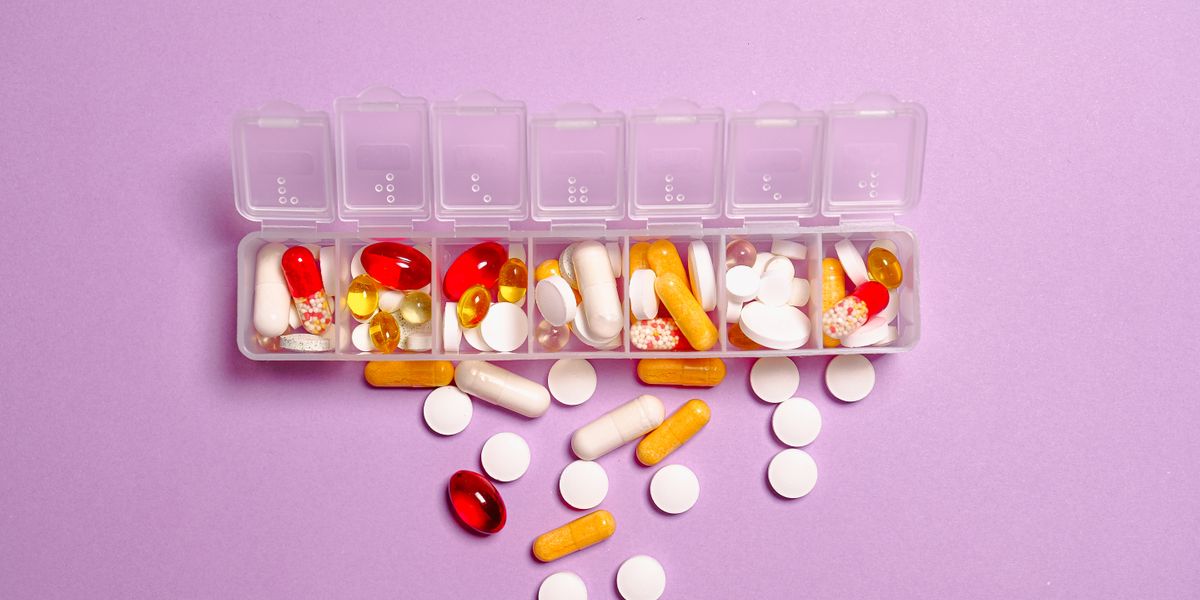
Food supplements exist to complement rather than replace the wide range of nutrients found in everyday foods. A diet built around vegetables, fruits, whole grains, legumes, nuts and fish supplies fiber, polyphenols and synergistic compounds that isolated supplements rarely match. This article explores how to think about supplements within a food-first framework for longevity.
What Evidence Supports Using Supplements Alongside Meals?
Human studies show mixed results for most common supplements when populations already eat balanced diets. Established benefits appear mainly in correcting diagnosed deficiencies while emerging data on broader longevity markers remain limited and context-dependent. Prioritizing colorful plant foods provides anti-inflammatory effects through multiple pathways that single nutrients seldom replicate fully.
How Can Daily Meals Reduce the Need for Supplements?
Planning plates with half vegetables or fruit, a quarter quality protein and a quarter whole grains supplies steady micronutrients plus fiber that aids absorption. Malaysian examples such as ulam, grilled fish with sambal and brown rice or lentil dal with greens demonstrate practical anti-inflammatory patterns that cover many common shortfalls without additional products.
When Might Someone Discuss Supplements With a Professional?
More on Food Supplements
Food Supplements
Food Supplements after the Kuala Lumpur brochure: a 2025-10 briefing
From Kuala Lumpur: Dr. Maya Brooks takes food supplements off the brochure and onto a dated briefing (2025-10). Mechanism, evidence grade, who should wait, and what a four-week trial would actually include.
Food Supplements
Food Supplements after the Kuala Lumpur brochure: a 2025-10 briefing
From Kuala Lumpur: Dr. Maya Brooks takes food supplements off the brochure and onto a dated briefing (2025-10). Mechanism, evidence grade, who should wait, and what a four-week trial would actually include.
Food Supplements
Food Supplements after the Kuala Lumpur brochure: a 2025-10 briefing
From Kuala Lumpur: Dr. Maya Brooks takes food supplements off the brochure and onto a dated briefing (2025-10). Mechanism, evidence grade, who should wait, and what a four-week trial would actually include.