Food Supplements and Healthy Aging: What to Know
A Food-First Perspective on Supplement Literacy
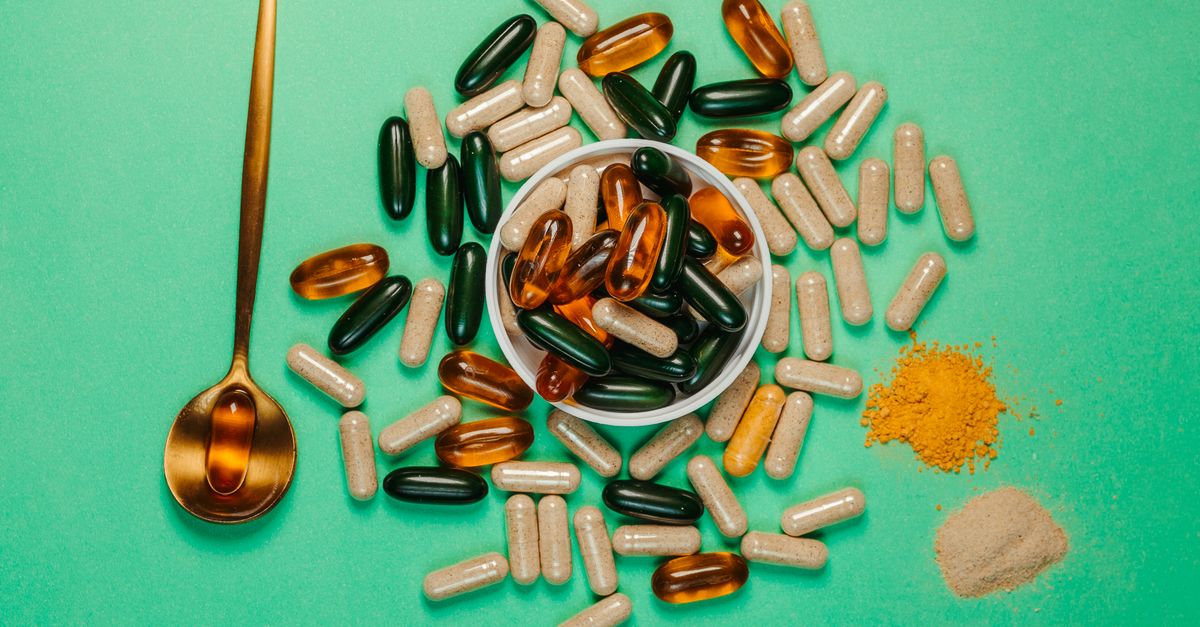
Adults often consider food supplements to fill nutrition gaps as they age, yet a clear understanding of evidence and food priorities guides better choices.
Food supplements represent concentrated sources of nutrients that may complement dietary intake, particularly when aging brings changes in absorption or appetite. This overview emphasizes obtaining nutrients primarily from whole foods while providing context on when supplements might enter the conversation, always grounded in evidence rather than promises.
What Does Evidence Show About Supplements and Aging Processes?
Human studies indicate that certain micronutrients support cellular maintenance and immune function with age, yet results vary by population and starting point diet quality. Established science supports benefits for correcting deficiencies, while emerging evidence on broader longevity effects remains preliminary and requires further trials to clarify mechanisms like reduced oxidative stress.
How Does a Food-First Approach Integrate with Supplements?
Prioritizing nutrient-dense meals such as leafy greens, fatty fish, and legumes delivers synergistic compounds that isolated supplements often lack. This strategy addresses multiple aging pathways simultaneously through fiber, polyphenols, and balanced macronutrients, with supplements considered only after dietary assessment reveals shortfalls.
More on Food Supplements
Food Supplements
Food Supplements after the Kuala Lumpur brochure: a 2025-10 briefing
From Kuala Lumpur: Dr. Maya Brooks takes food supplements off the brochure and onto a dated briefing (2025-10). Mechanism, evidence grade, who should wait, and what a four-week trial would actually include.
Food Supplements
Food Supplements after the Kuala Lumpur brochure: a 2025-10 briefing
From Kuala Lumpur: Dr. Maya Brooks takes food supplements off the brochure and onto a dated briefing (2025-10). Mechanism, evidence grade, who should wait, and what a four-week trial would actually include.
Food Supplements
Food Supplements after the Kuala Lumpur brochure: a 2025-10 briefing
From Kuala Lumpur: Dr. Maya Brooks takes food supplements off the brochure and onto a dated briefing (2025-10). Mechanism, evidence grade, who should wait, and what a four-week trial would actually include.