Food Supplements: An Educational Overview for Longevity Planning
Contextualizing Their Role in Preventive Health Strategies
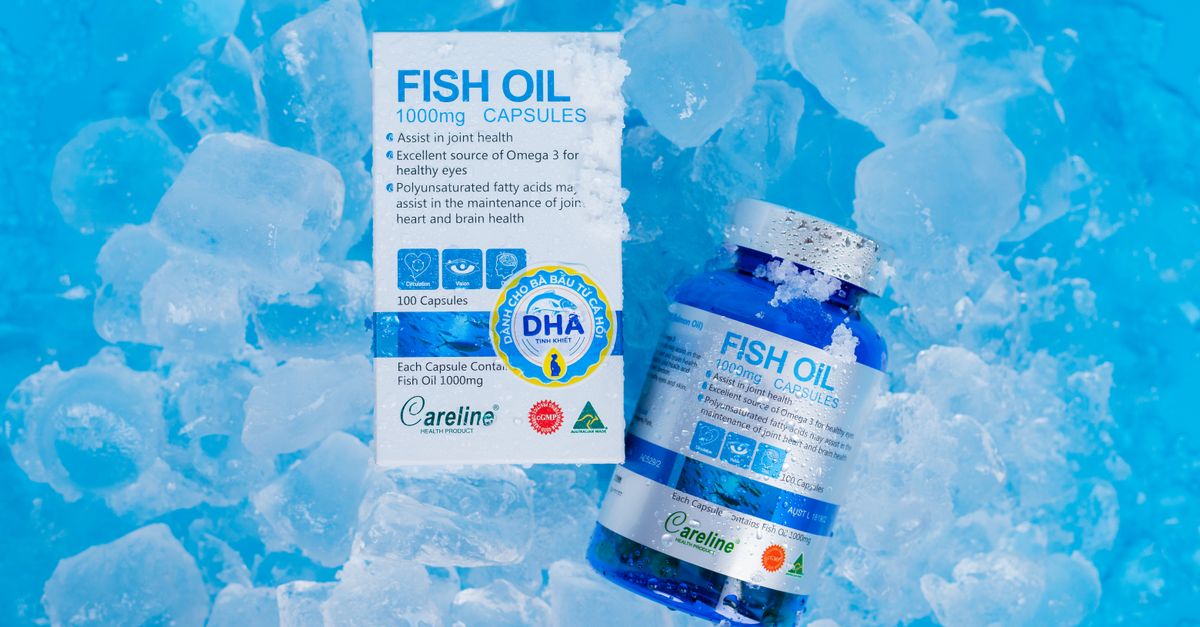
Many adults explore food supplements as part of broader strategies to maintain health over time, yet understanding their place requires careful evaluation of available evidence.
Food supplements represent a category of products intended to complement dietary intake, and their consideration in longevity planning involves assessing individual needs alongside established lifestyle factors. This educational piece aims to provide context without promising specific outcomes, highlighting systems thinking around metabolic health.
In this article
- How Do Food Supplements Fit Into Preventive Health?
- Distinguishing Established Science from Emerging Research
- Practical Questions on Supplement Evaluation
- Integrating with Broader Longevity Approaches
How Do Food Supplements Fit Into Preventive Health?
Food supplements can address specific nutrient gaps identified through dietary assessment, potentially supporting metabolic pathways involved in energy regulation and cellular maintenance. Evidence varies by compound, with some showing consistent associations in observational studies while others remain limited to mechanistic or animal data.
More on Food Supplements
Food Supplements
Food Supplements after the Kuala Lumpur brochure: a 2025-10 briefing
From Kuala Lumpur: Dr. Maya Brooks takes food supplements off the brochure and onto a dated briefing (2025-10). Mechanism, evidence grade, who should wait, and what a four-week trial would actually include.
Food Supplements
Food Supplements after the Kuala Lumpur brochure: a 2025-10 briefing
From Kuala Lumpur: Dr. Maya Brooks takes food supplements off the brochure and onto a dated briefing (2025-10). Mechanism, evidence grade, who should wait, and what a four-week trial would actually include.
Food Supplements
Food Supplements after the Kuala Lumpur brochure: a 2025-10 briefing
From Kuala Lumpur: Dr. Maya Brooks takes food supplements off the brochure and onto a dated briefing (2025-10). Mechanism, evidence grade, who should wait, and what a four-week trial would actually include.