Everyday Meals for Supporting Longevity and Wellness
A Food-First Approach from a Malaysian Dietician
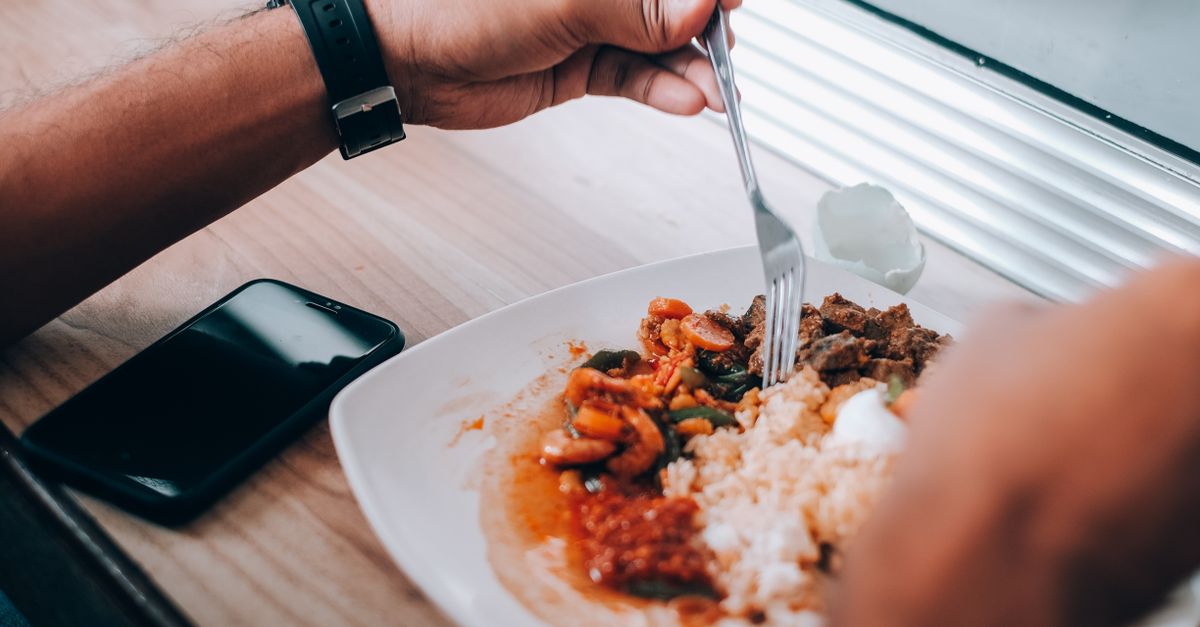
Many adults seek simple ways their daily plates might influence long-term health without turning to pills first.
Focusing on whole foods and balanced eating patterns offers a grounded way to support overall wellness as we get older. This approach prioritizes meals made from recognizable ingredients over any quick fixes, drawing from established nutrition principles for sustainable habits.
In this article
- What Does a Longevity-Supporting Plate Look Like?
- How Can Local Malaysian Ingredients Support Anti-Inflammatory Eating?
- Why Focus on Overall Patterns Instead of Single Foods?
- When Might Professional Guidance Help Refine These Choices?
What Does a Longevity-Supporting Plate Look Like?
A practical plate emphasizes vegetables, fruits, whole grains, legumes, and healthy fats while moderating portions of proteins and refined items. Evidence from population studies links such patterns to better metabolic health over decades, though individual responses vary and more research continues on specific mechanisms.
How Can Local Malaysian Ingredients Support Anti-Inflammatory Eating?
More on Diet
Diet
Blue Zone branding is now a travel product — a Chennai reader's briefing
From Chennai: Clara Mendes takes diet off the brochure and onto a dated briefing (2026-03). Mechanism, evidence grade, who should wait, and what a four-week trial would actually include.
Diet
Diet after the Kuala Lumpur brochure: a 2026-01 briefing
From Kuala Lumpur: Clara Mendes takes diet off the brochure and onto a dated briefing (2026-01). Mechanism, evidence grade, who should wait, and what a four-week trial would actually include.
Diet
Diet after the Kuala Lumpur brochure: a 2026-01 briefing
From Kuala Lumpur: Clara Mendes takes diet off the brochure and onto a dated briefing (2026-01). Mechanism, evidence grade, who should wait, and what a four-week trial would actually include.