Everyday Meals for Longevity: A Practical Guide
Focusing on Whole Foods for Sustained Wellness
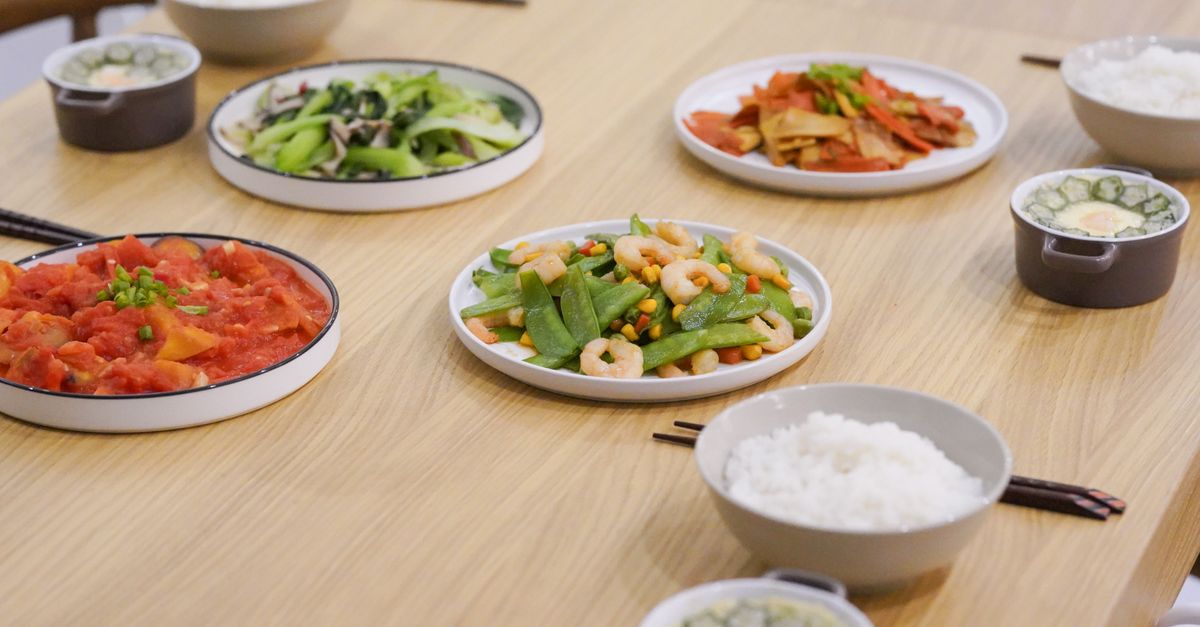
Many people wonder how their daily food choices can influence long-term health and vitality without relying on special products.
As a dietician, I emphasize starting with the foods on your plate. Sustainable eating patterns that include a variety of whole foods have been associated with better health outcomes over time. This article explores practical ways to build meals that support wellness.
In this article
- What Does a Balanced Longevity Plate Look Like?
- Incorporating Anti-Inflammatory Foods Naturally
- Sustainable Eating Patterns for Daily Life
- Common Questions About Diet and Aging
What Does a Balanced Longevity Plate Look Like?
A practical approach involves filling half the plate with colorful vegetables and fruits, one quarter with quality proteins such as fish or legumes, and the remaining quarter with whole grains like brown rice. This structure helps maintain steady energy and provides a range of nutrients linked to healthy aging in observational studies.
Incorporating Anti-Inflammatory Foods Naturally
Foods like turmeric, ginger, leafy greens, and fatty fish appear in many traditional Malaysian meals and may contribute to lower inflammation markers. Evidence from population studies suggests regular inclusion of these items as part of varied diets correlates with better long-term outcomes, though individual responses vary.
More on Diet
Diet
Diet after the Kuala Lumpur brochure: a 2026-01 briefing
From Kuala Lumpur: Clara Mendes takes diet off the brochure and onto a dated briefing (2026-01). Mechanism, evidence grade, who should wait, and what a four-week trial would actually include.
Diet
Diet after the Kuala Lumpur brochure: a 2026-01 briefing
From Kuala Lumpur: Clara Mendes takes diet off the brochure and onto a dated briefing (2026-01). Mechanism, evidence grade, who should wait, and what a four-week trial would actually include.
Diet
Diet after the Kuala Lumpur brochure: a 2026-01 briefing
From Kuala Lumpur: Clara Mendes takes diet off the brochure and onto a dated briefing (2026-01). Mechanism, evidence grade, who should wait, and what a four-week trial would actually include.