Everyday Foods That Support an Anti-Inflammatory Lifestyle
A Malaysian Dietician's Practical Guide to Meal Choices
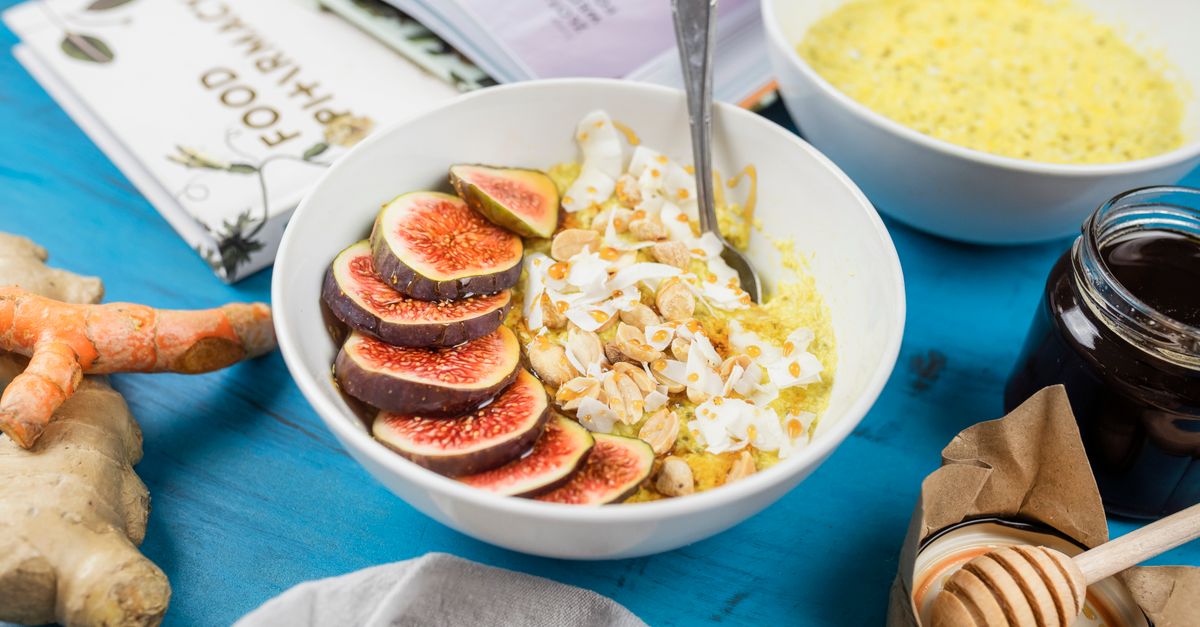
Many people wonder how daily food choices might influence inflammation levels over time, and simple swaps can make a meaningful difference.
As a Malaysian dietician, I focus on building plates with whole foods that align with anti-inflammatory eating patterns. Evidence suggests certain dietary patterns rich in fruits, vegetables, and healthy fats may help modulate inflammation markers, though individual responses vary and more research is needed for specific outcomes.
How Do Common Foods Relate to Inflammation?
Research on dietary patterns like the Mediterranean diet shows associations with lower levels of inflammatory markers such as CRP in observational studies. Foods including berries, nuts, and fatty fish provide compounds like polyphenols and omega-3s that may support cellular health, but results are not uniform across all populations and evidence remains stronger for overall patterns than isolated items.
What Malaysian Ingredients Fit an Anti-Inflammatory Approach?
Local options like turmeric in curries, leafy greens such as kangkang, and fish like mackerel offer practical ways to include anti-inflammatory nutrients. Pairing these with whole grains and legumes creates balanced meals that emphasize variety and sustainability rather than any single superfood.
More on Anti-Inflammatories
Anti-Inflammatories
Five questions to ask in London before you book anti-inflammatories
From London: Amelia Hart takes anti-inflammatories off the brochure and onto a dated briefing (2026-01). Mechanism, evidence grade, who should wait, and what a four-week trial would actually include.
Anti-Inflammatories
Five questions to ask in London before you book anti-inflammatories
From London: Amelia Hart takes anti-inflammatories off the brochure and onto a dated briefing (2026-01). Mechanism, evidence grade, who should wait, and what a four-week trial would actually include.
Anti-Inflammatories
What London menus actually sell when they say "Anti-Inflammatories"
From London: Amelia Hart takes anti-inflammatories off the brochure and onto a dated briefing (2026-01). Mechanism, evidence grade, who should wait, and what a four-week trial would actually include.