Everyday Foods That May Support Balanced Inflammation
A Malaysian Dietician’s Food-First Approach to Wellness
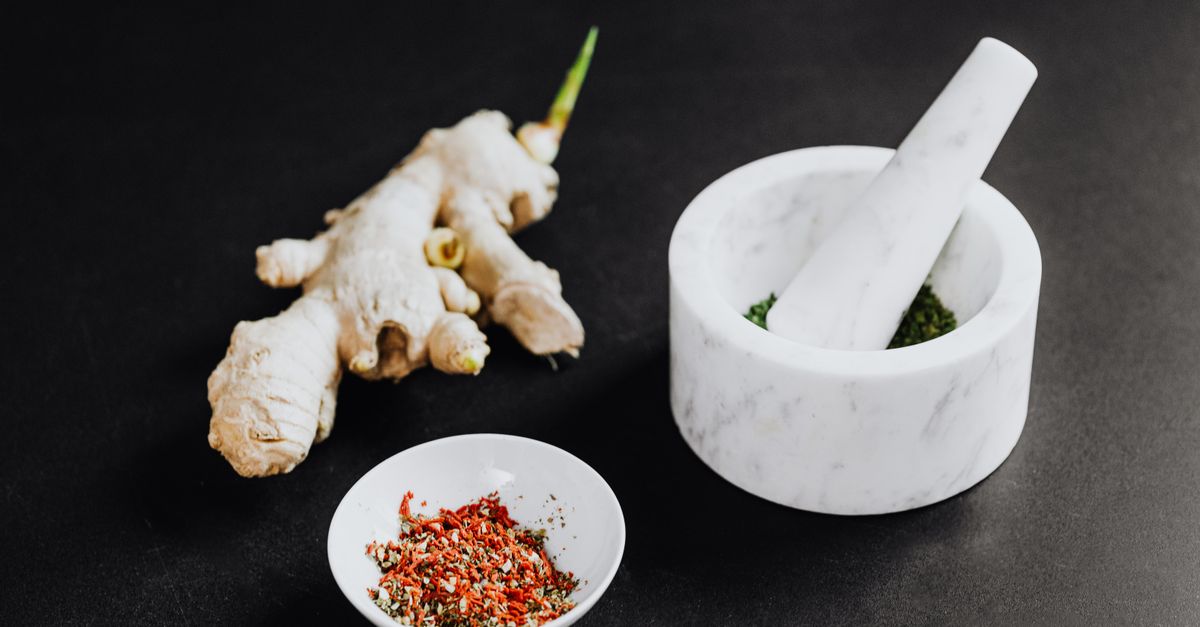
Many adults in their 40s and 50s ask whether simple changes to daily meals can help the body manage inflammation in a sustainable way.
As a Malaysian dietician, I focus on realistic plate-building rather than quick fixes. Evidence suggests that consistent patterns of eating vegetables, healthy fats, and spices may gently influence inflammatory markers over months, though individual results vary and research continues to evolve.
In this article
- What Does an Anti-Inflammatory Eating Pattern Look Like?
- Which Local Ingredients Are Often Discussed?
- How Can Meals Be Balanced Day to Day?
- What Evidence Exists and Where Is It Limited?
What Does an Anti-Inflammatory Eating Pattern Look Like?
It centers on variety rather than single foods. Meals built around vegetables, fruits, whole grains, nuts, and fish provide a range of compounds that may support the body’s natural balance. Malaysian examples include stir-fried greens with ginger and turmeric alongside rice and grilled fish.
Which Local Ingredients Are Often Discussed?
Turmeric, ginger, garlic, leafy greens like kangkung, and fatty fish such as mackerel appear frequently in studies on inflammation. These fit easily into existing Malaysian home cooking and offer fiber and polyphenols alongside familiar flavors.
More on Anti-Inflammatories
Anti-Inflammatories
Five questions to ask in London before you book anti-inflammatories
From London: Amelia Hart takes anti-inflammatories off the brochure and onto a dated briefing (2026-01). Mechanism, evidence grade, who should wait, and what a four-week trial would actually include.
Anti-Inflammatories
Five questions to ask in London before you book anti-inflammatories
From London: Amelia Hart takes anti-inflammatories off the brochure and onto a dated briefing (2026-01). Mechanism, evidence grade, who should wait, and what a four-week trial would actually include.
Anti-Inflammatories
What London menus actually sell when they say "Anti-Inflammatories"
From London: Amelia Hart takes anti-inflammatories off the brochure and onto a dated briefing (2026-01). Mechanism, evidence grade, who should wait, and what a four-week trial would actually include.