Everyday Foods for Supporting Healthy Inflammation Levels
A Practical Food-First Guide for Longevity
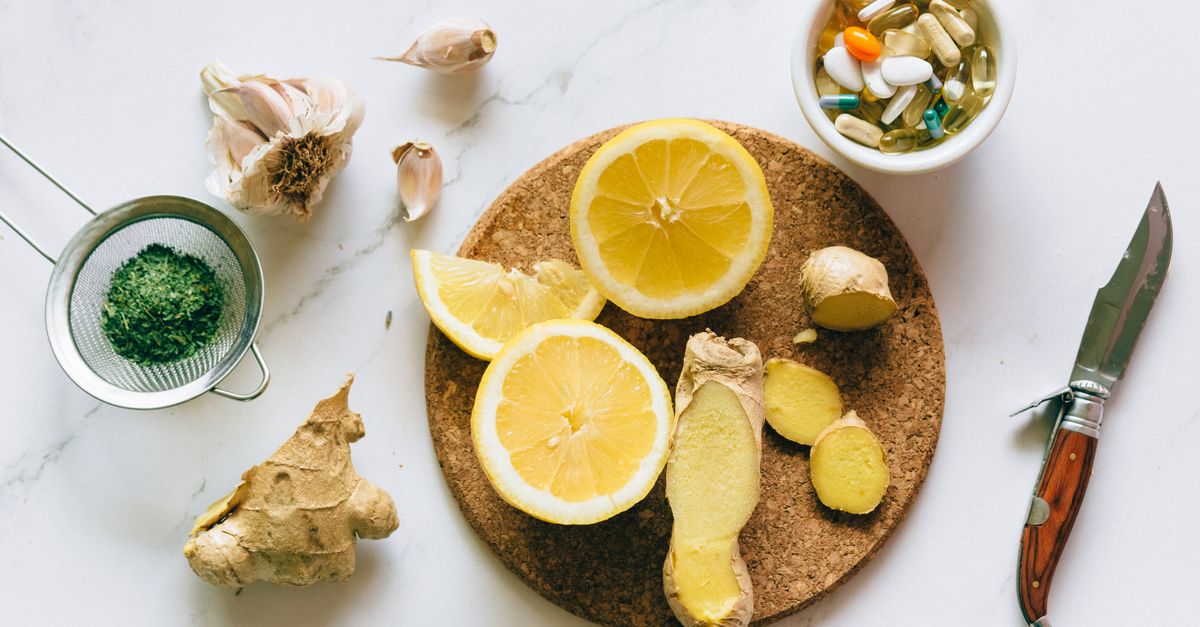
Many adults seek simple ways to support their body's natural balance through the foods they choose each day.
Inflammation plays a key role in how the body responds to daily stresses and supports long-term health. Rather than focusing on single items, an evidence-grounded approach emphasizes consistent meal patterns built around whole foods. This article explores practical ways to incorporate common ingredients into balanced plates while noting where research remains emerging.
What Does an Anti-Inflammatory Eating Pattern Look Like?
Patterns rich in vegetables, fruits, whole grains, legumes, nuts, and fatty fish appear in observational studies to associate with lower markers of inflammation over time. These foods provide fiber, polyphenols, and healthy fats that may influence pathways like NF-kB in cellular models, though human outcomes vary by overall diet quality and lifestyle factors.
How Can Malaysian Ingredients Fit Into These Meals?
Local options such as turmeric, ginger, leafy greens, and fatty fish like mackerel can be included in curries, stir-fries, and salads. Evidence for specific anti-inflammatory effects in humans is still developing, so the emphasis stays on variety and frequency rather than any single food delivering targeted results.
More on Anti-Inflammatories
Anti-Inflammatories
Five questions to ask in London before you book anti-inflammatories
From London: Amelia Hart takes anti-inflammatories off the brochure and onto a dated briefing (2026-01). Mechanism, evidence grade, who should wait, and what a four-week trial would actually include.
Anti-Inflammatories
Five questions to ask in London before you book anti-inflammatories
From London: Amelia Hart takes anti-inflammatories off the brochure and onto a dated briefing (2026-01). Mechanism, evidence grade, who should wait, and what a four-week trial would actually include.
Anti-Inflammatories
What London menus actually sell when they say "Anti-Inflammatories"
From London: Amelia Hart takes anti-inflammatories off the brochure and onto a dated briefing (2026-01). Mechanism, evidence grade, who should wait, and what a four-week trial would actually include.