Everyday Foods for Supporting Healthy Inflammation Levels
A Malaysian Dietician's Food-First Guide to Longevity
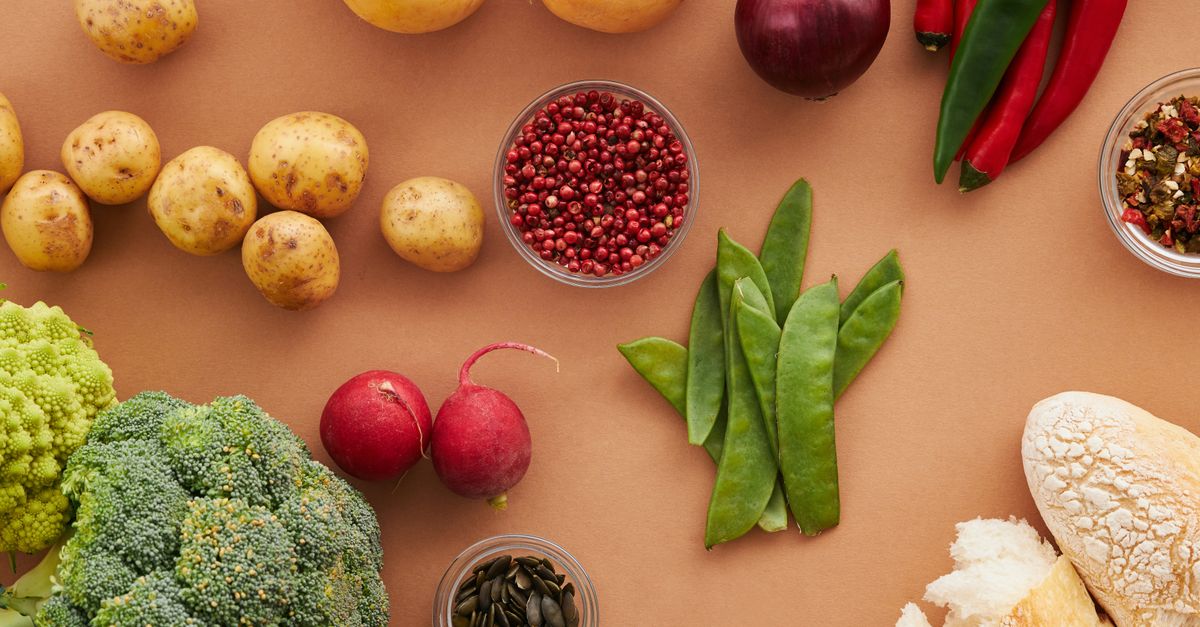
Many adults seek simple plate adjustments that may help the body manage everyday inflammation without turning first to pills.
As a Malaysian dietician, I focus on how everyday ingredients can contribute to balanced inflammatory responses when part of consistent meal patterns. Evidence suggests that diets rich in plant compounds and healthy fats align with lower markers of chronic inflammation in observational studies, though individual results vary and more research continues.
What Does an Anti-Inflammatory Eating Pattern Look Like?
An anti-inflammatory pattern emphasizes whole foods over processed items. It typically includes a variety of vegetables, fruits, whole grains, and sources of omega-3 fats. In Malaysian contexts this might mean more leafy greens, local spices, and fish rather than relying on fried or sugary dishes. Human studies link such patterns to better metabolic health, yet causation remains under investigation.
Common Foods That May Support This Approach
Berries, fatty fish, nuts, olive oil, and turmeric appear frequently in research on inflammation modulation. Combining turmeric with black pepper and a source of fat, for example, may improve compound absorption based on pharmacokinetic observations. These foods work best within overall calorie balance rather than as isolated heroes.
More on Anti-Inflammatories
Anti-Inflammatories
Five questions to ask in London before you book anti-inflammatories
From London: Amelia Hart takes anti-inflammatories off the brochure and onto a dated briefing (2026-01). Mechanism, evidence grade, who should wait, and what a four-week trial would actually include.
Anti-Inflammatories
Five questions to ask in London before you book anti-inflammatories
From London: Amelia Hart takes anti-inflammatories off the brochure and onto a dated briefing (2026-01). Mechanism, evidence grade, who should wait, and what a four-week trial would actually include.
Anti-Inflammatories
What London menus actually sell when they say "Anti-Inflammatories"
From London: Amelia Hart takes anti-inflammatories off the brochure and onto a dated briefing (2026-01). Mechanism, evidence grade, who should wait, and what a four-week trial would actually include.