Diet for Healthy Aging: Protein and Meal Planning Guidance
Food-First Patterns to Support Wellness Over Time
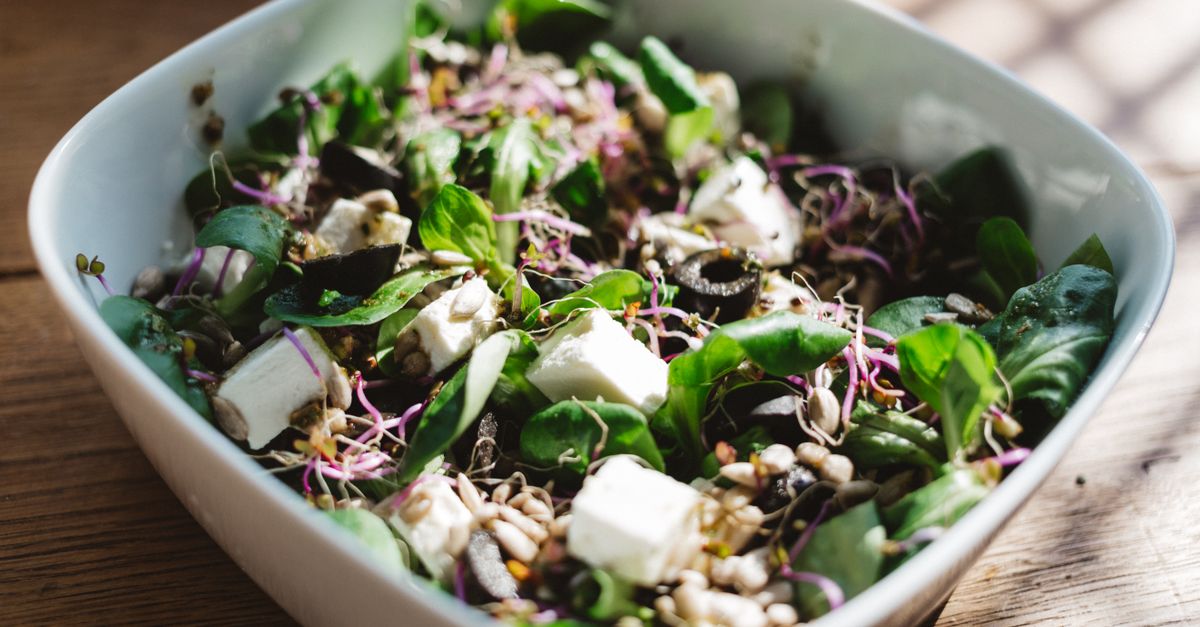
Daily food choices play a meaningful role in how the body maintains strength and resilience through the decades.
As adults move through midlife and beyond, attention to dietary patterns becomes increasingly relevant for supporting physical function and overall vitality. This article explores established principles around protein, key micronutrients, and simple meal planning without promising specific outcomes.
Why Does Protein Intake Matter More With Age?
Muscle protein synthesis tends to decline gradually after age 40, a process linked to reduced responsiveness to amino acids from food. Observational studies associate consistent protein consumption from whole foods with better preservation of lean mass, though individual responses vary based on activity levels and overall diet quality.
Which Micronutrients Support Cellular Health During Aging?
Nutrients such as vitamin D, magnesium, and B vitamins participate in energy metabolism and inflammation regulation. Population data show associations between adequate intake from vegetables, nuts, and dairy and lower rates of functional decline, yet causation remains difficult to isolate from broader lifestyle factors.
How Can Meal Planning Fit Real-Life Schedules?
Simple frameworks like batch-cooking protein sources and pairing them with colorful vegetables reduce daily decision fatigue. Systems thinking suggests aligning meals around consistent protein distribution across the day rather than single large servings, though long-term adherence depends on personal preferences and access.
More on Diet
Diet
Blue Zone branding is now a travel product — a Chennai reader's briefing
From Chennai: Clara Mendes takes diet off the brochure and onto a dated briefing (2026-03). Mechanism, evidence grade, who should wait, and what a four-week trial would actually include.
Diet
Diet after the Kuala Lumpur brochure: a 2026-01 briefing
From Kuala Lumpur: Clara Mendes takes diet off the brochure and onto a dated briefing (2026-01). Mechanism, evidence grade, who should wait, and what a four-week trial would actually include.
Diet
Diet after the Kuala Lumpur brochure: a 2026-01 briefing
From Kuala Lumpur: Clara Mendes takes diet off the brochure and onto a dated briefing (2026-01). Mechanism, evidence grade, who should wait, and what a four-week trial would actually include.