Cellular Health in the Context of Healthy Aging
Mechanisms of Resilience and Recovery
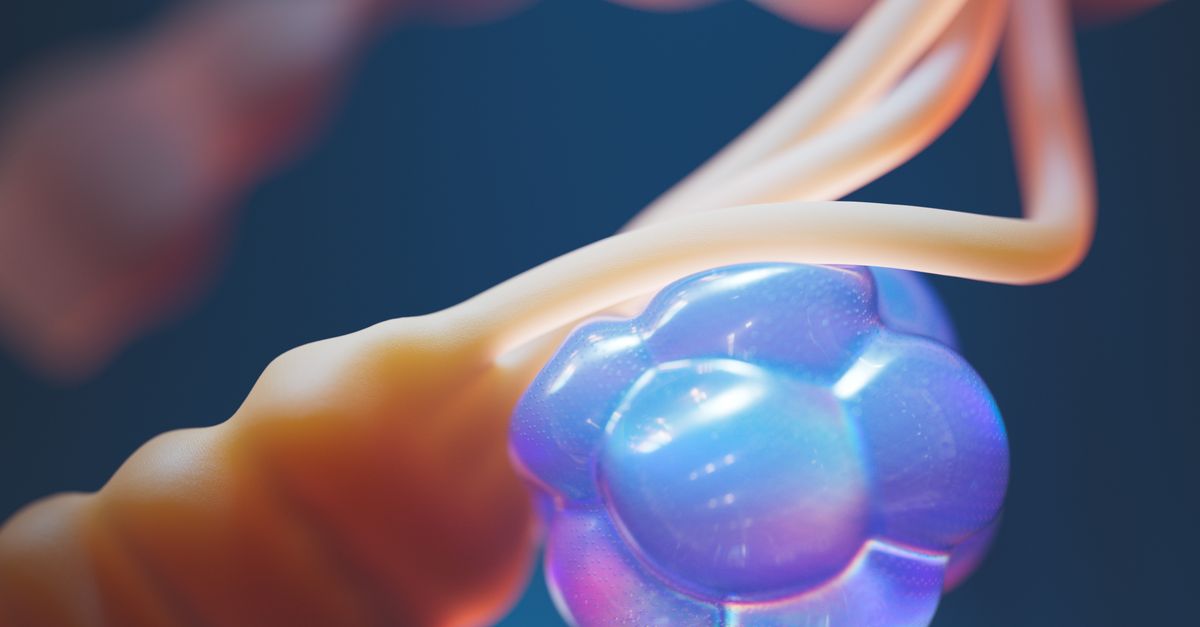
Cellular processes shape how the body maintains function and recovers from stress, yet translating lab findings to daily life requires careful interpretation.
Cellular health refers to the integrity and efficiency of processes within cells that support tissue function and overall resilience. Research highlights roles for mitochondrial activity, autophagy, and inflammation control, but human data often show variability across populations and limited long-term outcomes.
What factors influence cellular resilience during aging?
Multiple elements including oxidative stress, nutrient sensing pathways, and DNA repair capacity contribute to cellular resilience. Observational studies link consistent sleep and physical activity to better maintenance of these processes, while genetic and environmental differences introduce substantial uncertainty in individual responses.
How might lifestyle approaches support cellular recovery?
Evidence from cohort studies suggests that balanced nutrition and regular movement can influence markers associated with cellular maintenance, such as reduced chronic inflammation. However, causal links remain under investigation, and results vary by age, starting point health, and adherence patterns.
What uncertainties exist around emerging cellular health trends?
More on Cellular Health
Cellular Health
Cellular Health after the Singapore brochure: a 2026-04 briefing
From Singapore: Dr. Maya Brooks takes cellular health off the brochure and onto a dated briefing (2026-04). Mechanism, evidence grade, who should wait, and what a four-week trial would actually include.
Cellular Health
Cellular Health after the Abu Dhabi brochure: a 2025-11 briefing
From Abu Dhabi: Dr. Maya Brooks takes cellular health off the brochure and onto a dated briefing (2025-11). Mechanism, evidence grade, who should wait, and what a four-week trial would actually include.
Cellular Health
Cellular Health after the Singapore brochure: a 2026-04 briefing
From Singapore: Dr. Maya Brooks takes cellular health off the brochure and onto a dated briefing (2026-04). Mechanism, evidence grade, who should wait, and what a four-week trial would actually include.