Cellular Health and Its Role in Healthy Aging
Mechanisms of Resilience and Recovery
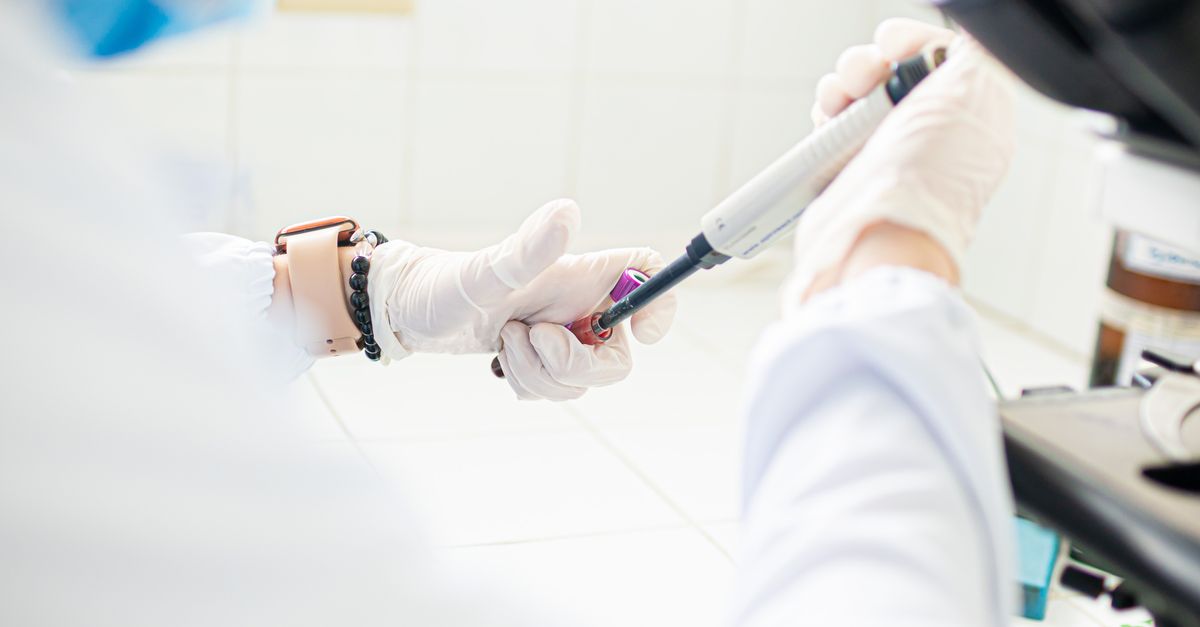
Cellular processes underpin the body's ability to adapt to daily stressors and sustain function across decades of life.
Understanding cellular health offers a systems-level view of resilience and recovery mechanisms relevant to healthy aging. This educational content outlines established and emerging concepts in metabolic and cellular function while noting areas of ongoing research and uncertainty.
Mitochondrial Function in Energy and Resilience
Mitochondria serve as central hubs for cellular energy production and signaling. Their efficiency can decline with age, affecting overall metabolic resilience. Human studies link mitochondrial health to exercise capacity and recovery, though individual variability remains high and causal pathways require further clarification.
Autophagy and Cellular Maintenance Processes
Autophagy enables cells to recycle damaged components, supporting recovery from stress. Evidence from observational and interventional studies suggests lifestyle factors such as fasting windows or exercise may influence this process, yet direct measurement in humans is limited and results vary by population.
Oxidative Stress and Inflammatory Signaling
Balanced oxidative stress responses and inflammatory pathways contribute to cellular stability. Chronic low-grade inflammation is associated with aging trajectories in cohort studies, but the precise thresholds and interventions for optimization are not fully established.
More on Cellular Health
Cellular Health
Cellular Health after the Singapore brochure: a 2026-04 briefing
From Singapore: Dr. Maya Brooks takes cellular health off the brochure and onto a dated briefing (2026-04). Mechanism, evidence grade, who should wait, and what a four-week trial would actually include.
Cellular Health
Cellular Health after the Abu Dhabi brochure: a 2025-11 briefing
From Abu Dhabi: Dr. Maya Brooks takes cellular health off the brochure and onto a dated briefing (2025-11). Mechanism, evidence grade, who should wait, and what a four-week trial would actually include.
Cellular Health
Cellular Health after the Singapore brochure: a 2026-04 briefing
From Singapore: Dr. Maya Brooks takes cellular health off the brochure and onto a dated briefing (2026-04). Mechanism, evidence grade, who should wait, and what a four-week trial would actually include.