Cellular Health and Its Role in Healthy Aging
Mechanisms, Evidence, and Practical Considerations
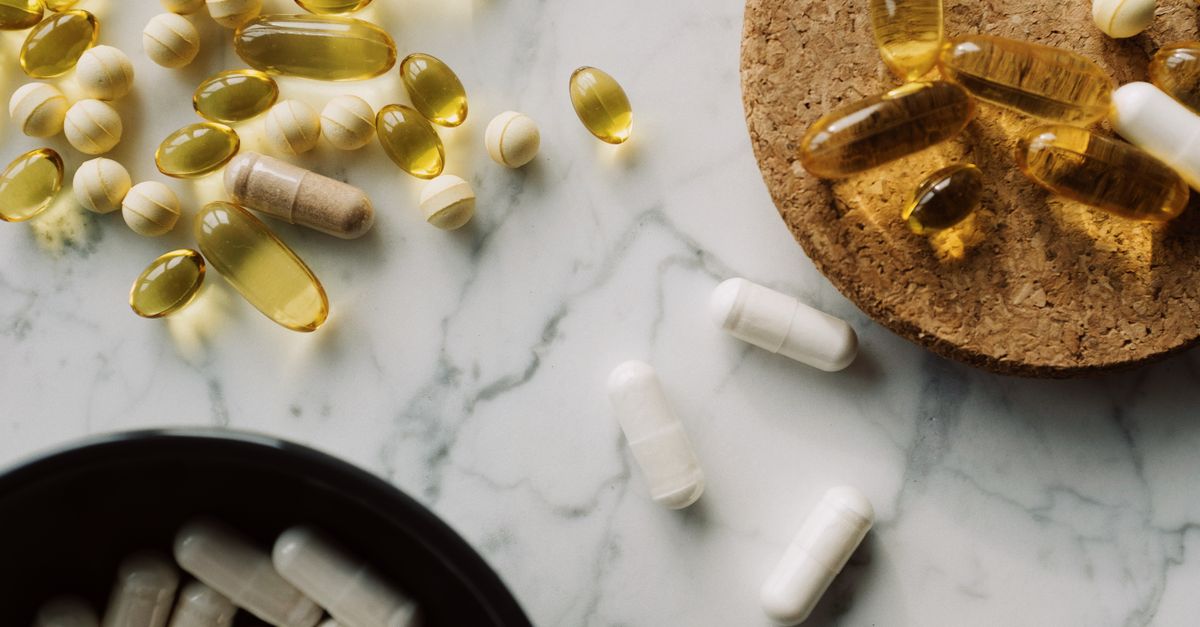
Cellular processes form the foundation of how the body maintains function over time, yet the strength of supporting interventions varies considerably across studies.
In the context of longevity research, cellular health refers to the integrity and efficiency of processes within cells that enable adaptation, repair, and energy production. While established science highlights pathways such as autophagy and mitochondrial dynamics, emerging evidence on interventions requires careful interpretation. This synthesis draws from human studies where available and notes areas of ongoing investigation.
Key Mechanisms Supporting Cellular Resilience
Autophagy, the cellular recycling process, has been observed in human trials to respond to lifestyle factors like fasting, though the translation to clinical outcomes remains under study. Mitochondrial function, central to energy metabolism, shows associations with age-related decline in observational data, prompting interest in supportive strategies.
Evidence Landscape and Uncertainties
Human evidence for many cellular health interventions is limited to biomarkers rather than hard endpoints like disease incidence. Clinical observations suggest potential benefits from certain practices, but randomized controlled trials with long-term follow-up are needed to clarify effects.
More on Cellular Health
Cellular Health
Cellular Health after the Singapore brochure: a 2026-04 briefing
From Singapore: Dr. Maya Brooks takes cellular health off the brochure and onto a dated briefing (2026-04). Mechanism, evidence grade, who should wait, and what a four-week trial would actually include.
Cellular Health
Cellular Health after the Abu Dhabi brochure: a 2025-11 briefing
From Abu Dhabi: Dr. Maya Brooks takes cellular health off the brochure and onto a dated briefing (2025-11). Mechanism, evidence grade, who should wait, and what a four-week trial would actually include.
Cellular Health
Cellular Health after the Singapore brochure: a 2026-04 briefing
From Singapore: Dr. Maya Brooks takes cellular health off the brochure and onto a dated briefing (2026-04). Mechanism, evidence grade, who should wait, and what a four-week trial would actually include.