Cellular Health and Healthy Aging Mechanisms
Foundations of Resilience and Recovery
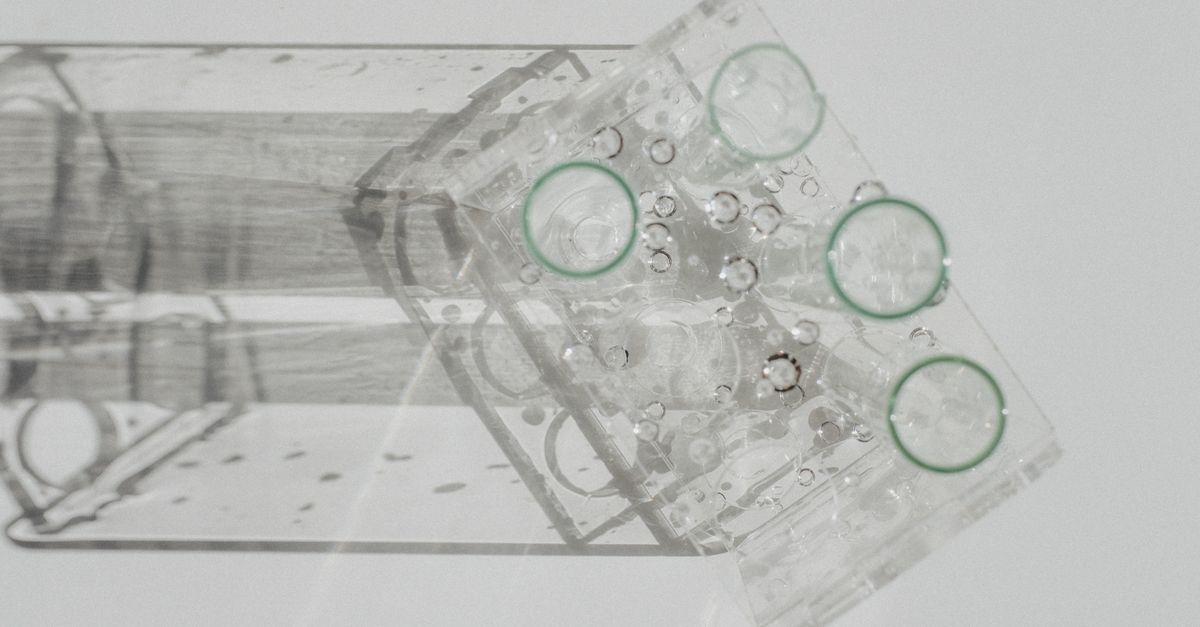
Adults often seek ways to understand and support the cellular processes that contribute to energy, repair, and long-term resilience.
Cellular health encompasses the functions of mitochondria, autophagy, and signaling pathways that help maintain tissue integrity as people age. Evidence from human studies links consistent lifestyle patterns to these mechanisms, though individual responses vary and research continues to evolve. This educational overview emphasizes systems thinking for metabolic resilience without promising specific outcomes.
In this article
- What Influences Cellular Resilience Over Time?
- How Does Metabolism Connect to Cellular Function?
- Monitoring Indicators Relevant to Cellular Health
- When to Escalate Discussions with a Clinician
What Influences Cellular Resilience Over Time?
Factors such as sleep quality, physical activity patterns, and nutritional balance interact with cellular repair pathways. Observational data associate chronic stress and sedentary behavior with reduced mitochondrial efficiency, while emerging evidence explores how metabolic flexibility may buffer age-related decline. Uncertainties remain around precise thresholds for optimal function in diverse populations.
More on Cellular Health
Cellular Health
Cellular Health after the Singapore brochure: a 2026-04 briefing
From Singapore: Dr. Maya Brooks takes cellular health off the brochure and onto a dated briefing (2026-04). Mechanism, evidence grade, who should wait, and what a four-week trial would actually include.
Cellular Health
Cellular Health after the Abu Dhabi brochure: a 2025-11 briefing
From Abu Dhabi: Dr. Maya Brooks takes cellular health off the brochure and onto a dated briefing (2025-11). Mechanism, evidence grade, who should wait, and what a four-week trial would actually include.
Cellular Health
Cellular Health after the Singapore brochure: a 2026-04 briefing
From Singapore: Dr. Maya Brooks takes cellular health off the brochure and onto a dated briefing (2026-04). Mechanism, evidence grade, who should wait, and what a four-week trial would actually include.