Cellular Health and Healthy Aging Mechanisms
Understanding Resilience and Recovery at the Cellular Level
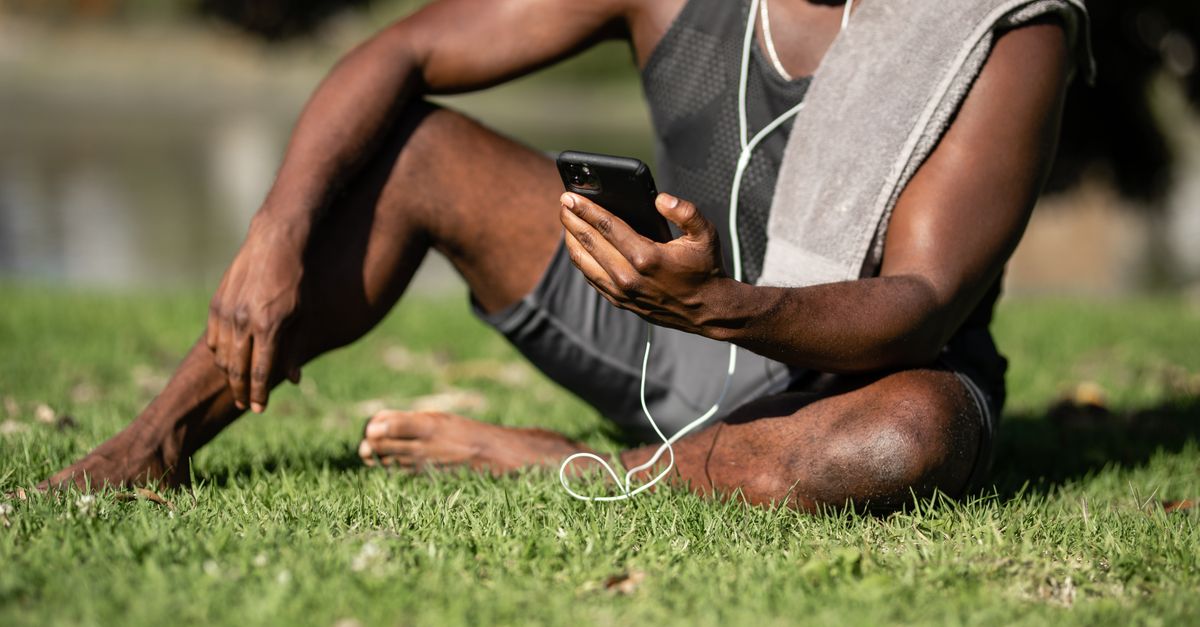
Cellular processes form the basis for how the body maintains function and adapts to stressors over decades of life.
Cellular health involves the coordinated function of mitochondria, membranes, and signaling pathways that enable recovery from daily wear and support long-term metabolic balance. Research indicates these systems interact in complex ways, though individual responses differ and evidence levels range from established to emerging.
What Influences Cellular Resilience?
Resilience at the cellular level depends on factors such as nutrient sensing, oxidative balance, and protein quality control. Established science links consistent physical activity and sleep patterns to improved mitochondrial efficiency, while emerging studies examine how chronic low-grade inflammation may impair these processes over time.
How Does Recovery Occur at the Cellular Level?
Recovery mechanisms include autophagy and cellular repair pathways that clear damaged components. Human evidence supports the role of time-restricted eating patterns in modulating these pathways in some populations, though results vary and long-term outcomes require further study in diverse groups.
What Lifestyle Elements Connect to Cellular Function?
Systems thinking highlights interconnections between movement, nutrition quality, and stress management. Observational data associate balanced protein intake and resistance training with markers of cellular maintenance, yet trade-offs exist around intensity and recovery capacity that warrant personalized assessment.
More on Cellular Health
Cellular Health
Cellular Health after the Singapore brochure: a 2026-04 briefing
From Singapore: Dr. Maya Brooks takes cellular health off the brochure and onto a dated briefing (2026-04). Mechanism, evidence grade, who should wait, and what a four-week trial would actually include.
Cellular Health
Cellular Health after the Abu Dhabi brochure: a 2025-11 briefing
From Abu Dhabi: Dr. Maya Brooks takes cellular health off the brochure and onto a dated briefing (2025-11). Mechanism, evidence grade, who should wait, and what a four-week trial would actually include.
Cellular Health
Cellular Health after the Singapore brochure: a 2026-04 briefing
From Singapore: Dr. Maya Brooks takes cellular health off the brochure and onto a dated briefing (2026-04). Mechanism, evidence grade, who should wait, and what a four-week trial would actually include.