Building Meals Around Anti-Inflammatory Foods
A Practical Guide for Everyday Malaysian Kitchens
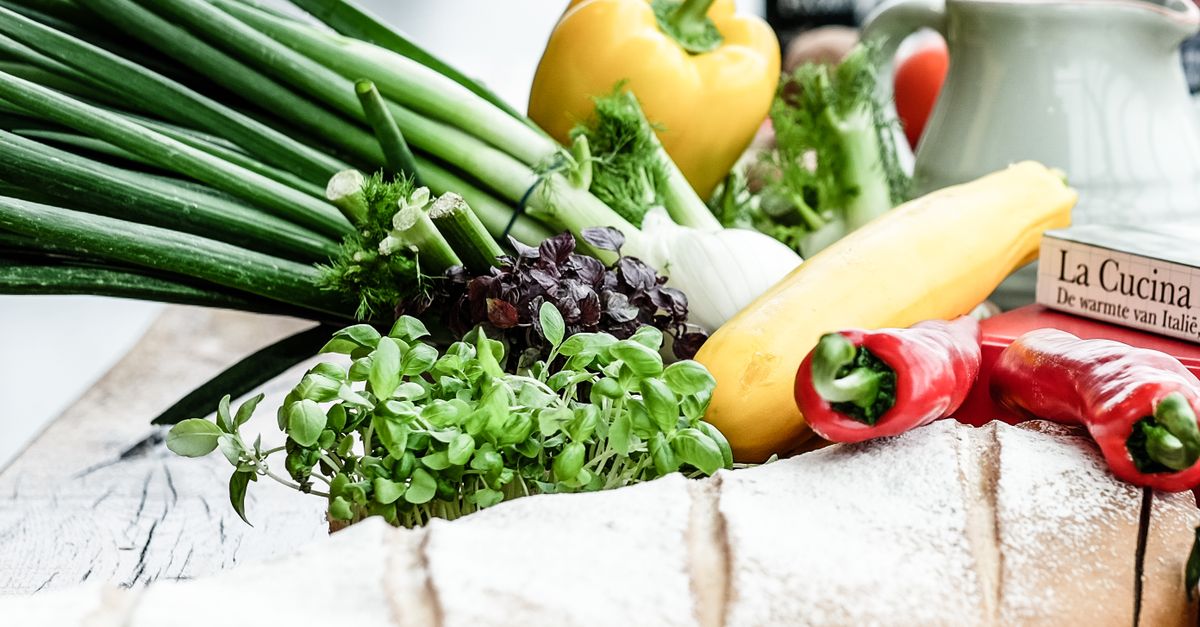
Small, consistent shifts in how you build your plate can influence how your body handles everyday inflammation without needing special products.
Many adults in their 40s to 60s look for ways to support long-term health through daily eating habits. An anti-inflammatory approach centers on whole foods that provide fiber, healthy fats, and plant compounds, though results vary by individual and evidence continues to evolve. This article focuses on realistic meal patterns using ingredients available in Malaysian markets.
What Does an Anti-Inflammatory Eating Pattern Look Like?
It typically emphasizes vegetables, fruits, whole grains, legumes, nuts, seeds, and fatty fish while limiting ultra-processed items high in refined sugars and oils. In practice this means colorful vegetable stir-fries, lentil-based dishes, and fresh fruit desserts rather than relying on any single ingredient. Human studies show associations with lower markers like CRP in populations following similar patterns, yet individual responses differ.
Common Malaysian Ingredients That Fit This Approach
Turmeric in curries, ginger in soups, leafy greens like kangkung, and omega-3 rich fish such as mackerel appear regularly in local cooking. Pairing turmeric with black pepper during meal prep may support better absorption of its compounds through natural food synergies. These choices fit existing recipes without requiring new shopping lists or special preparations.
More on Anti-Inflammatories
Anti-Inflammatories
Five questions to ask in London before you book anti-inflammatories
From London: Amelia Hart takes anti-inflammatories off the brochure and onto a dated briefing (2026-01). Mechanism, evidence grade, who should wait, and what a four-week trial would actually include.
Anti-Inflammatories
Five questions to ask in London before you book anti-inflammatories
From London: Amelia Hart takes anti-inflammatories off the brochure and onto a dated briefing (2026-01). Mechanism, evidence grade, who should wait, and what a four-week trial would actually include.
Anti-Inflammatories
What London menus actually sell when they say "Anti-Inflammatories"
From London: Amelia Hart takes anti-inflammatories off the brochure and onto a dated briefing (2026-01). Mechanism, evidence grade, who should wait, and what a four-week trial would actually include.