Antioxidants in Everyday Foods: Supporting Daily Wellness Routines
Practical Approaches to Food-First Nutrition for Energy Management
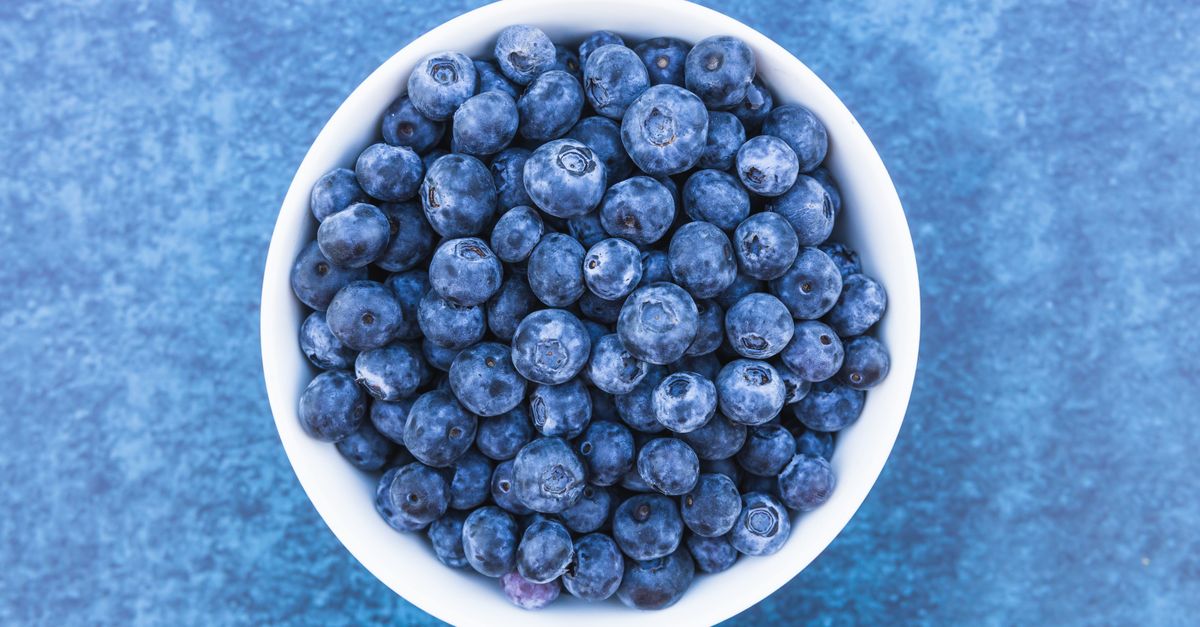
Many adults seek simple dietary adjustments that align with travel and work demands while supporting long-term well-being without overpromising results.
Antioxidants are compounds found in various plant foods that may help neutralize certain reactive molecules in the body. Evidence on their precise impact remains mixed, with stronger data for overall dietary patterns than for isolated effects. This piece focuses on food-first strategies suitable for busy professionals aged 40-65 who value measurable, low-risk changes.
In this article
- What Are Antioxidants and How Might They Fit Into Cellular Processes?
- Which Common Foods Provide Meaningful Amounts of Antioxidants?
- How Do Travel and Environment Influence Antioxidant Intake?
- When Should Someone Review Their Approach With a Clinician?
What Are Antioxidants and How Might They Fit Into Cellular Processes?
Antioxidants such as polyphenols and carotenoids occur naturally in fruits, vegetables, and herbs. Observational studies link higher intake of these foods with markers of better health, though causation is not firmly established and individual responses vary. Systems thinking suggests their value emerges within broader patterns of sleep, movement, and stress management rather than as standalone solutions.
More on Antioxidants
Antioxidants
Antioxidants and Healthy Aging: What Foods Can Offer
Antioxidants from whole foods such as berries, leafy greens, and nuts may help counter oxidative stress linked to aging, though human evidence shows modest and context-specific effects rather than dramatic longevity gains.
Antioxidants
Antioxidants in Everyday Foods: Practical Guidance for Cellular Support
Antioxidants are compounds found in many plant foods that can help neutralize reactive molecules produced during normal metabolism; current evidence from dietary patterns shows modest associations with better health markers but does not support guarantees of extended lifespan or disease prevention.
Antioxidants
Antioxidants in Everyday Foods: What the Evidence Shows for Healthy Aging
Antioxidants from vegetables, fruits, nuts, and whole grains help neutralize reactive oxygen species generated during normal metabolism; observational data link higher dietary intake patterns to lower rates of age-related conditions, though causation remains difficult to isolate from overall diet quality.