Antioxidants in Everyday Foods for Healthy Aging
A Practical Food-First Guide
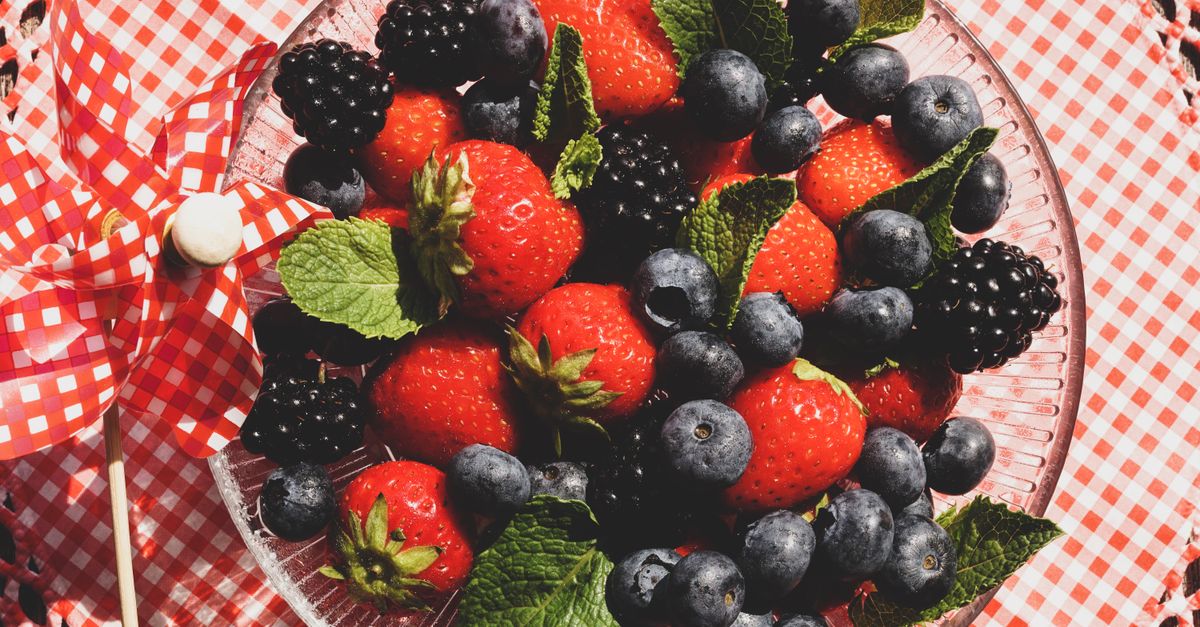
Oxidative stress accumulates with age, yet focusing on antioxidant-rich foods offers a grounded way to support resilience without overpromising results.
Antioxidants are molecules in plant foods that can neutralize free radicals, potentially limiting cellular damage tied to aging processes. Research shows benefits from dietary patterns rich in these compounds, but outcomes depend on overall lifestyle and genetics, with some effects still under study.
What Role Do Antioxidants Play in Cellular Health?
Free radicals arise from normal metabolism and environmental factors, contributing to oxidative stress that may accelerate aspects of biological aging. Antioxidants from foods like berries and leafy greens donate electrons to stabilize these molecules. Evidence from observational studies links higher intake to lower markers of inflammation, though randomized trials show mixed results on direct longevity extension.
Which Foods Provide Antioxidants Naturally?
Colorful produce such as blueberries, spinach, and tomatoes deliver compounds like flavonoids and carotenoids. Nuts and seeds add vitamin E. Pairing these with protein sources, such as eggs or legumes, may improve absorption and support muscle maintenance, creating a non-obvious synergy for aging adults focused on both oxidative balance and physical function.
More on Antioxidants
Antioxidants
Antioxidants and Healthy Aging: What Foods Can Offer
Antioxidants from whole foods such as berries, leafy greens, and nuts may help counter oxidative stress linked to aging, though human evidence shows modest and context-specific effects rather than dramatic longevity gains.
Antioxidants
Antioxidants in Everyday Foods: Practical Guidance for Cellular Support
Antioxidants are compounds found in many plant foods that can help neutralize reactive molecules produced during normal metabolism; current evidence from dietary patterns shows modest associations with better health markers but does not support guarantees of extended lifespan or disease prevention.
Antioxidants
Antioxidants in Everyday Foods: What the Evidence Shows for Healthy Aging
Antioxidants from vegetables, fruits, nuts, and whole grains help neutralize reactive oxygen species generated during normal metabolism; observational data link higher dietary intake patterns to lower rates of age-related conditions, though causation remains difficult to isolate from overall diet quality.